
In the high-stakes world of executive leadership, we treat the ‘always-on’ state as a badge of honor. We measure productivity by input—hours logged, emails sent, and tasks completed. But there is a dangerous blind spot in this methodology: the cognitive load of hidden tension.
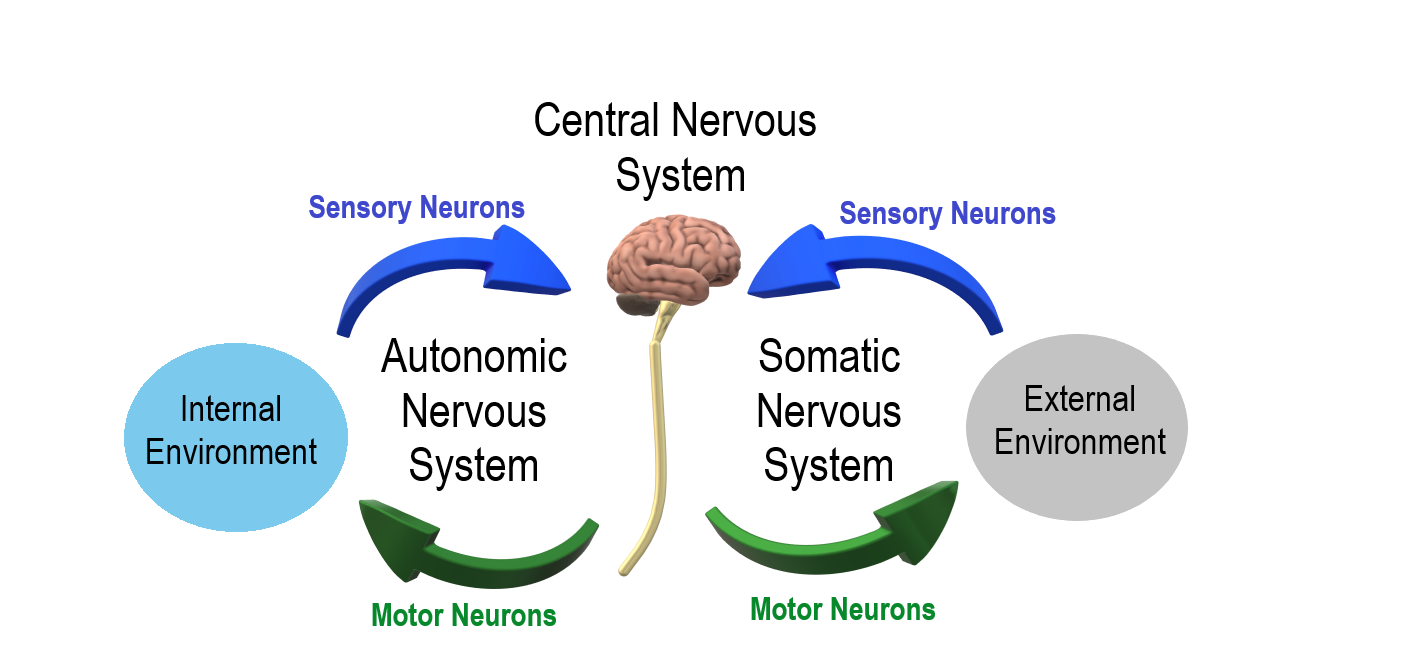
While reflexology serves as a powerful recovery tool for the parasympathetic nervous system, it is merely a reactive measure if your daily operational flow remains inherently flawed. True executive performance isn’t just about recovering from the damage of the day; it’s about conducting a Somatic Audit to identify where your nervous system is leaking capital.
The Hidden Cost of ‘Chronic Holding’
Most leaders are unaware that they are physically bracing themselves during routine workflows. When analyzing a balance sheet, responding to a crisis, or engaging in a negotiation, you are likely holding micro-tensions—clenched jaws, raised shoulders, or restricted breathing—that you aren’t even aware of. This ‘chronic holding’ consumes a significant percentage of your daily glucose and oxygen budget, which could otherwise be allocated to lateral thinking and high-level synthesis.
If you wait until you are burnt out to address this, you have already lost the competitive advantage. The goal is to move from recovery to real-time regulation.
The ‘Somatic Audit’ Protocol
Instead of viewing reflexology or nervous system regulation as a post-work ritual, integrate it as an active layer of your decision-making process. I call this the Somatic Audit.
- The Pre-Session Prime: Before entering any meeting with high-stakes outcomes, run a 30-second somatic scan. Are you ‘braced’? If your traps are high or your breath is shallow, you are entering the room in a defensive state. Defensive states prioritize survival, not strategy.
- The Mid-Flow Reset: Use micro-stimulation points—specifically the adrenal reflex zones—during long-form writing or strategic planning. You aren’t doing this to ‘relax’; you are doing this to keep your cortisol from peaking during periods of intense cognitive friction.
- The Post-Decision Calibration: Immediately after a high-pressure decision, perform a grounding exercise. If you move directly from a tense board meeting to a creative session without a ‘neural off-ramp,’ you will be subconsciously applying the stress of the previous interaction to your next creative spark.
The Contrarian Reality: Don’t Optimize for Comfort
There is a dangerous tendency to treat wellness as an attempt to find ‘comfort’ or ‘happiness.’ This is a mistake. As a leader, you are not trying to be comfortable; you are trying to be functional.
Some executives fail at bio-optimization because they treat it like a spa day. If you approach reflexology or meditation with the mindset of ‘I want to feel nice,’ you are missing the point. Approach these tools like a combat surgeon: this is about calibration. You are calibrating the hardware so that your next decision is not influenced by the residual fear or anxiety of a previous one.
The Bottom Line
Your nervous system is the ultimate infrastructure of your business. If your hardware is misaligned, your decisions will be biased. By performing regular Somatic Audits, you stop being a passenger to your stress responses and start becoming an architect of your own cognitive state.
Stop trying to ‘power through’ your stress. Start treating your physiological state as a line item in your performance P&L. The leaders who win in the next decade will be the ones who treat their internal biological regulation with the same clinical, cold, and data-driven precision they apply to their market strategy.

Leave a Reply