Beyond ‘Armoring’: Why Somatic Resilience is the Next Frontier of Strategic Intuition
— by
Steven Haynes
In our previous exploration of the Rosen Method, we identified a critical bottleneck for high-performers: somatic armoring. We established that when the body remains trapped in a defensive state, the leader loses access to the cognitive bandwidth required for high-stakes innovation. But acknowledging the problem is only the first step. The real competitive frontier isn’t just releasing tension—it’s leveraging the nervous system as a strategic radar.
The Myth of the ‘Objective’ Leader
We often pride ourselves on making data-driven decisions. We scour spreadsheets, analyze market trends, and rely on battle-tested frameworks. Yet, we rarely acknowledge that the most significant piece of data in any boardroom is the internal state of the person making the call. When a founder feels a subtle, unidentifiable ‘heaviness’ when pitching to a VC, they often dismiss it as pre-meeting nerves. They ignore the signal, push through via willpower, and eventually miss a subtle misalignment in the partnership. This is a failure of somatic intuition.
The Nervous System as a Predictive Engine
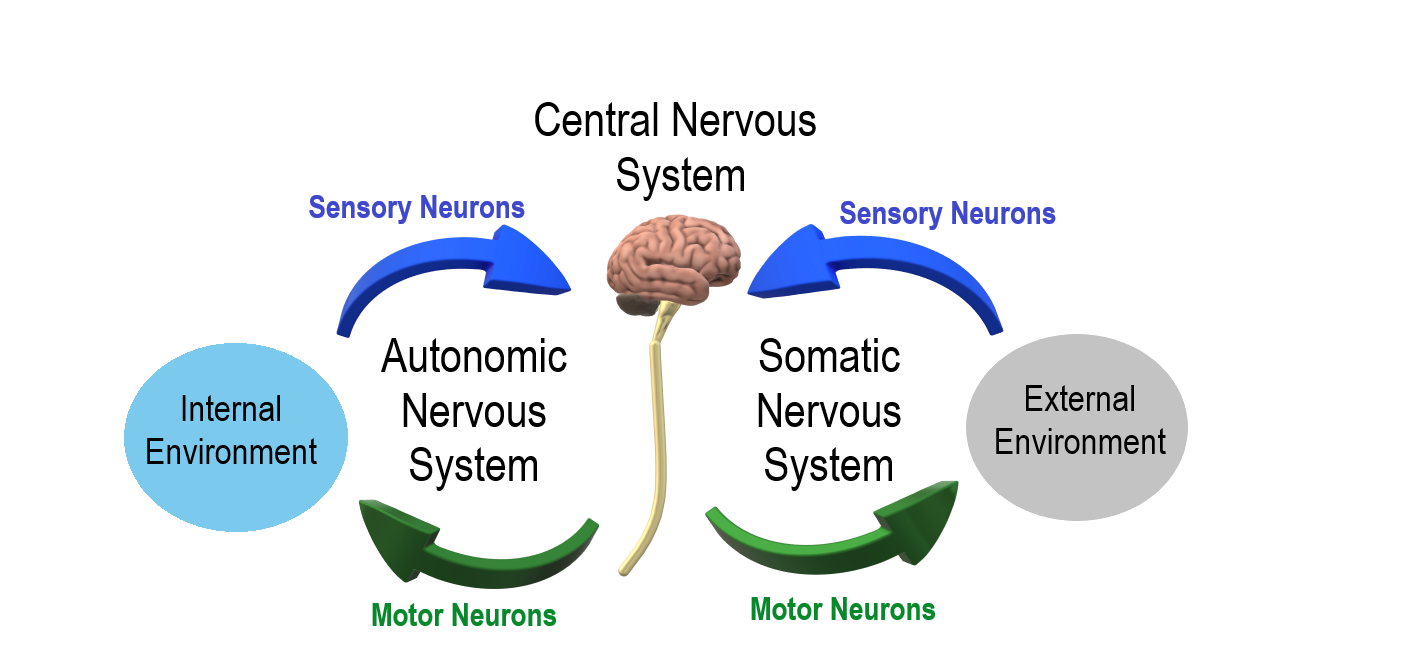
Your nervous system is not just a stress-response mechanism; it is a high-speed predictive engine that processes information faster than your conscious brain ever could. While your intellect is analyzing the words spoken during a negotiation, your nervous system is scanning the room for non-verbal cues, micro-expressions, and atmospheric shifts. If you are chronically ‘armored,’ this radar is jammed. You are operating in a static-filled environment where nuance is lost to the noise of your own internal bracing.
Integrating somatic intelligence means moving from a reactive model—where you ‘fix’ your tension after it happens—to a generative model where you use your physical sensations as a predictive tool. This is not meditation; it is operational intelligence.
The ‘Somatic Signal’ Protocol
To move beyond simple tension release, you must treat your body’s signals as raw data. Use this three-stage protocol during your most critical decision-making processes:
The Pre-Decision Baseline: Before making a major commitment, pause for ten seconds. Ask: ‘Where in my body do I feel the outcome of this decision?’ If you feel a contraction in the gut or a shallowing of the breath, you aren’t just ‘stressed’—your system is signaling a misalignment in your strategic thesis.
Signal Amplification: Instead of immediately trying to relax the tension, lean into it for a moment. Ask: ‘What does this specific tightness represent?’ Is it fear of failure, an echo of a past project that went south, or a genuine warning about the person sitting across from you? Distinguish between your personal history and the present-day business reality.
Strategic Realignment: Once you have parsed the signal, choose your path. If the signal was based on an outdated fear response, manually override it by softening the jaw and deepening the breath. If the signal persists, honor it. Pivot. The ability to shift course because your body signaled a ‘no’ before your ego could rationalize a ‘yes’ is the ultimate executive edge.
The Contrarian Reality
The standard business advice is to ‘trust your gut.’ But the modern, high-performance reality is that most people’s guts are biased by years of unaddressed nervous system dysregulation. You cannot trust your gut if it is permanently conditioned to hold onto the trauma of the 2008 crash or a failed startup from five years ago.
True somatic mastery isn’t about feeling calm. It’s about becoming a ‘conscious channel’ for complex information. The elite leader of the future is the one who can remain in a state of high physiological awareness, using their nervous system to detect threats and opportunities that remain invisible to those who are simply ‘muscling through’ their work. Stop managing your stress. Start mining it for intelligence.


Leave a Reply