

In the high-stakes world of executive management, we often treat the brain as a machine with infinite processing power. We throw productivity hacks, nootropics, and high-frequency scheduling at our problems, assuming that as long as the inputs are high-quality, the outputs will follow. We are wrong. The real bottleneck is not your time management; it is your system state.
When you are running on high-octane hustle, your internal operating system is constantly in a state of high-load multitasking. Eventually, you hit a ‘kernel panic’—a total system freeze where your intuition fails, your emotional regulation snaps, and your decision-making drifts into binary, reactive patterns. To prevent this, you need more than just recovery; you need a hard reset of your nervous system.
The Myth of the ‘Always-On’ CEO
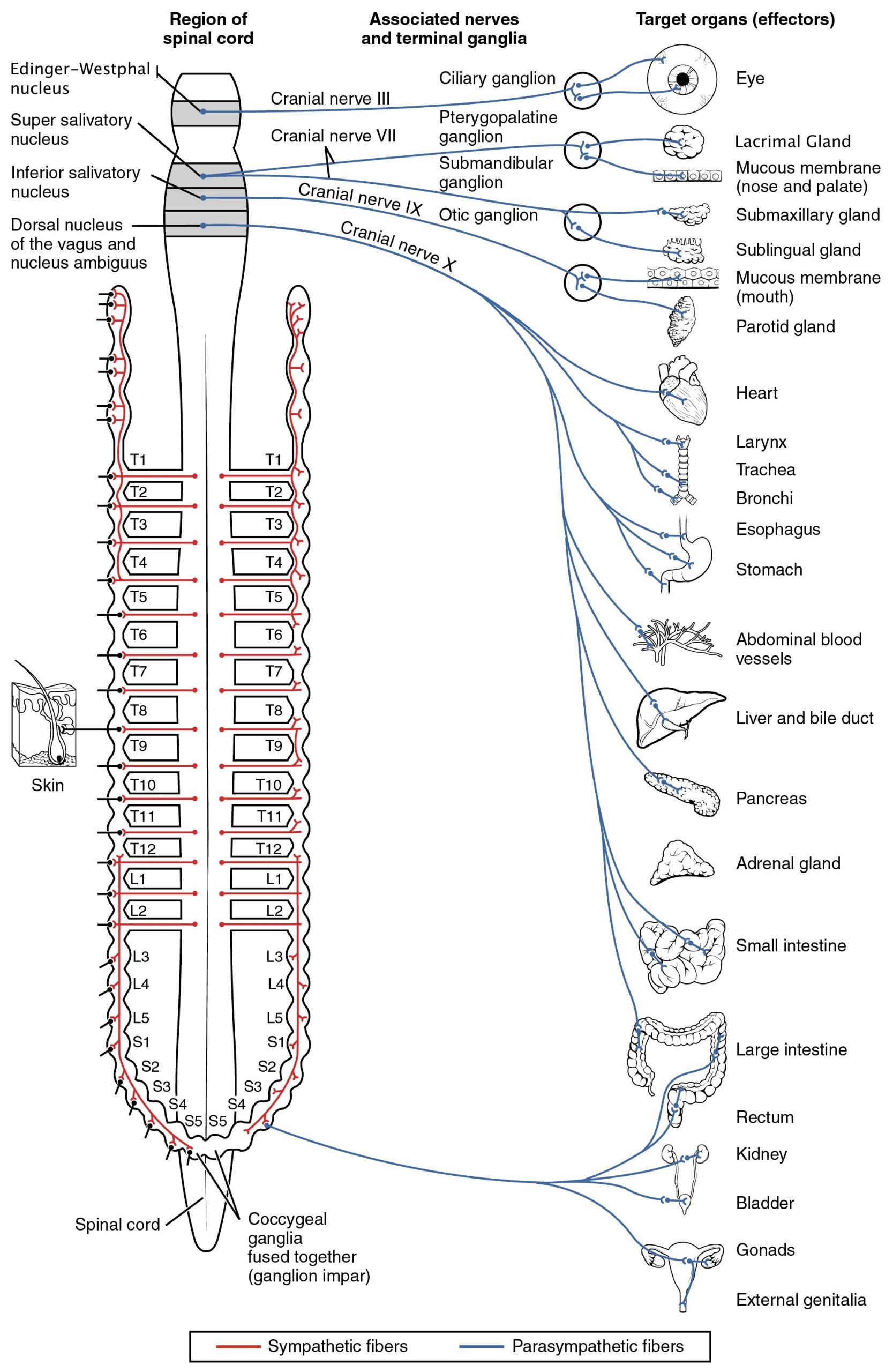
Modern professional culture romanticizes the ‘always-on’ leader. We conflate accessibility with utility. However, biology dictates that the nervous system is a finite resource. If you spend 14 hours a day in a sympathetic state, your cortisol levels don’t just spike—they set a new baseline. This is the physiological equivalent of running a laptop with the cooling fan permanently broken. Eventually, the hardware fails.
Sivananda Yoga offers a sophisticated, non-negotiable protocol for this reset. But unlike the previous discussion on its infrastructure, let’s look at the contrarian reality: Most high-performers are too busy to ‘find balance.’ Therefore, you shouldn’t approach this as a yoga practice—you should approach it as a defensive security measure for your cognitive capital.
The Counter-Intuitive Strategy: Voluntary Inhibition
The most powerful tool in the Sivananda system for the busy operator is not the active asana; it is the deliberate, forced stillness of Savasana. In an environment that rewards constant action, choosing to remain perfectly still for 10 minutes is an act of high-level defiance.
When you enter Savasana, you are essentially initiating a ‘system dump.’ You are clearing the temporary files, the unresolved emotional loops, and the residual stress hormones that clutter your working memory. By intentionally forcing the body into a state of deep inhibition, you provide the brain the necessary air-gap to transition from the ‘execute’ state to the ‘evaluate’ state.
Reframing the Workflow: The ‘Systematic De-escalation’ Protocol
If you want to move from high-performance to high-longevity, stop viewing your health as a recovery mechanism and start viewing it as a firmware update. Here is how you apply it:
- The 90-Minute Vagal Intercept: Every 90 minutes, your brain naturally fluctuates in its ability to focus. Instead of pushing through the mental fog with caffeine, use 60 seconds of Anuloma Viloma (alternate nostril breathing). You aren’t ‘meditating’; you are recalibrating your autonomic nervous system to ensure your next decision is data-driven, not adrenaline-driven.
- The Strategic Post-Mortem: Before you leave your office, dedicate five minutes to a ‘physical audit.’ Use a few foundational asanas—specifically those that target the psoas and the cervical spine—to manually release the stored physical manifestation of your day’s stress. This prevents your home life from inheriting your office’s tension.
- The Cognitive Firewall: Understand that when you are physically rigid, your thinking is rigid. By maintaining spinal health through Sivananda, you are literally maintaining the flexibility of your nervous system. A rigid spine facilitates a rigid mind; a supple, supported spine facilitates creative fluidity.
The Verdict: Your Competitive Advantage
In a saturated market, your cognitive stamina is your only true moat. Everyone else is running their nervous system into the ground, trading their future functionality for short-term output. By treating Sivananda not as ‘wellness’ but as an essential hardware protocol, you ensure that when others hit their ceiling, you are just getting started. Your ability to self-regulate is your greatest strategic asset. Treat it like one.


Leave a Reply