Beyond the Grid: Why ‘Energy Harvesting’ is the Next Trojan Horse for Data Sovereignty
— by
Steven Haynes
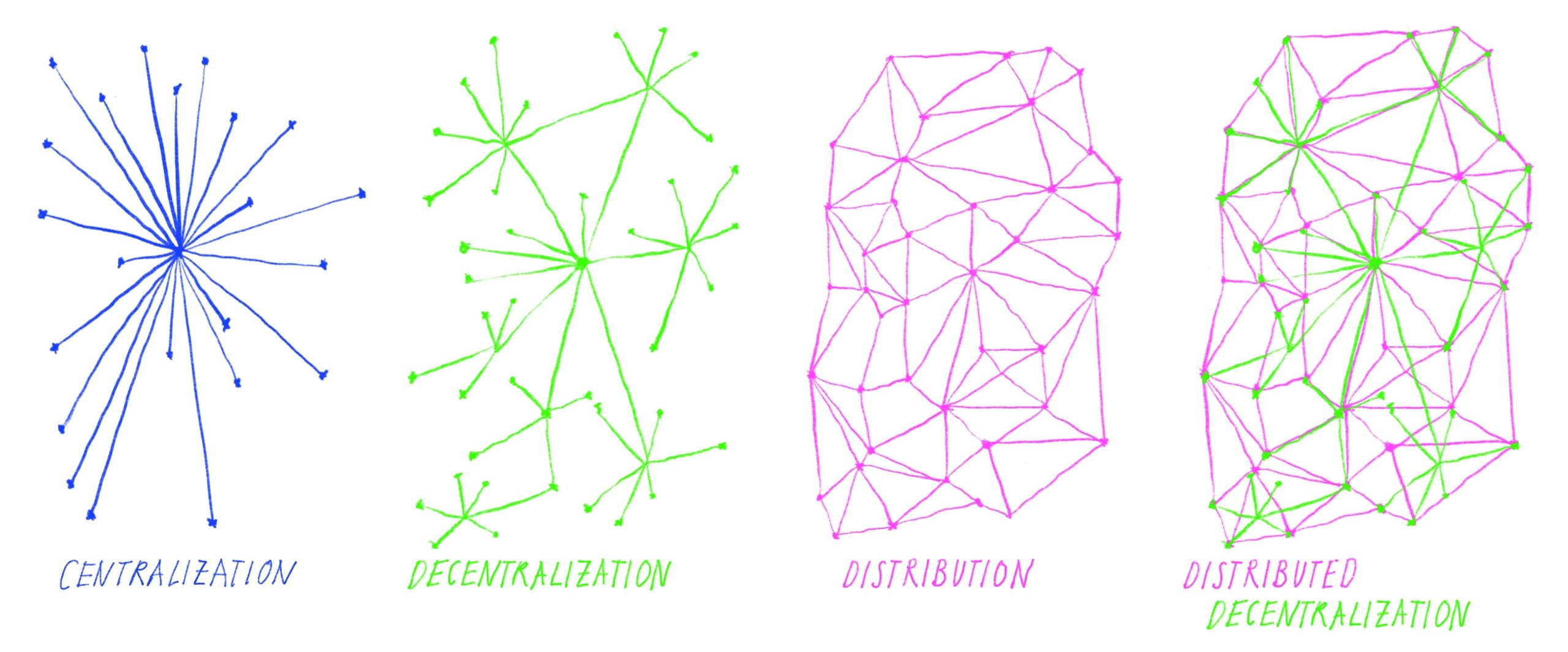
We have long discussed the nantenna revolution as a technical solution to the battery paradox. But if we view this merely as a way to extend the life of an IoT sensor, we are missing the strategic endgame. The true disruption of energy harvesting isn’t about power efficiency—it is about data sovereignty and the complete decoupling of infrastructure from centralized control.
The Power of Decentralized Autonomy
Current IoT architectures are flawed because they are subservient to the grid. Even a wireless sensor with a five-year battery is ultimately tethered to a supply chain that demands maintenance, physical access, and periodic decommissioning. This creates a “maintenance tether” that keeps industrial assets under the influence of the provider. When you transition to perpetual, nantenna-harvested power, you don’t just solve a maintenance headache; you create a device that is truly independent.
For the enterprise, this is a radical shift in leverage. An edge device that powers itself via ambient IR radiation never needs to connect to the physical grid for charging, nor does it require a physical service visit. It becomes a permanent, invisible participant in the network. This opens the door to stealth infrastructure—sensing arrays that can be deployed in hard-to-reach or restricted zones, performing indefinitely without leaving a physical footprint for maintenance.
The Contrarian Take: Stop Trying to Replace Batteries
Most nantenna evangelists focus on replacing lithium-ion, but that is a rookie mistake. The real play is the elimination of the ‘Handshake’. Every time a device goes to sleep to save battery, or wakes up to report data, it consumes energy in the power-up sequence and the network handshake. These energy spikes are the primary reason battery-powered IoT devices fail prematurely.
By utilizing nantenna arrays to provide a constant, low-level ‘trickle’ that keeps core logic alive, we can move away from event-based reporting toward continuous stream processing. Instead of sending batches of data to a central cloud, energy-autonomous sensors can perform edge-level AI calculations on a rolling basis. The energy harvested doesn’t just power the chip; it powers the intelligence on the chip.
Architectural Shifts: From ‘Smart’ to ‘Inherent’
We are entering the era of Material-Level Intelligence. Instead of building a device and then trying to find a place to put a battery, architects and designers will soon be selecting materials that perform functions as a matter of physics. Imagine structural steel beams in a bridge that, due to integrated nantenna thin-films, monitor their own stress levels for a century, powered by the heat fluctuations of the environment.
This is not ‘hardware-as-a-service’; this is ‘infrastructure as a substrate.’ Investors should stop looking for ‘nantenna companies’ and start looking for materials science firms that are embedding rectification layers into construction materials, logistics packaging, and wearable textiles. The companies that own the patents on integrating this technology into existing manufacturing workflows will win, not the ones selling discrete nantenna modules.
The Strategic Roadmap for the Modern Leader
If you want to capitalize on this shift, stop asking ‘How can we save on battery costs?’ and start asking these three questions:
Can we move from batch processing to continuous monitoring? If your sensors are powered by ambient radiation, you no longer need to be stingy with data. Leverage that ‘free’ energy to increase the resolution of your inputs.
Does this move us toward total remote autonomy? Look for opportunities to deploy sensors in environments where battery replacement is physically impossible or cost-prohibitive. This is where your highest ROI resides.
Is our data stack ready for a continuous flow? If your back-end is built for periodic packets, it will choke on the constant, low-latency streams that nantenna-powered devices will soon provide. The energy revolution will force a compute revolution.
The nantenna isn’t just a battery replacement; it is the infrastructure for a world where our machines stop ‘living’ on a budget. We are moving toward a future where our tools are as persistent as the environment they inhabit. Those who build for that persistence will own the next decade of industrial data.




Leave a Reply