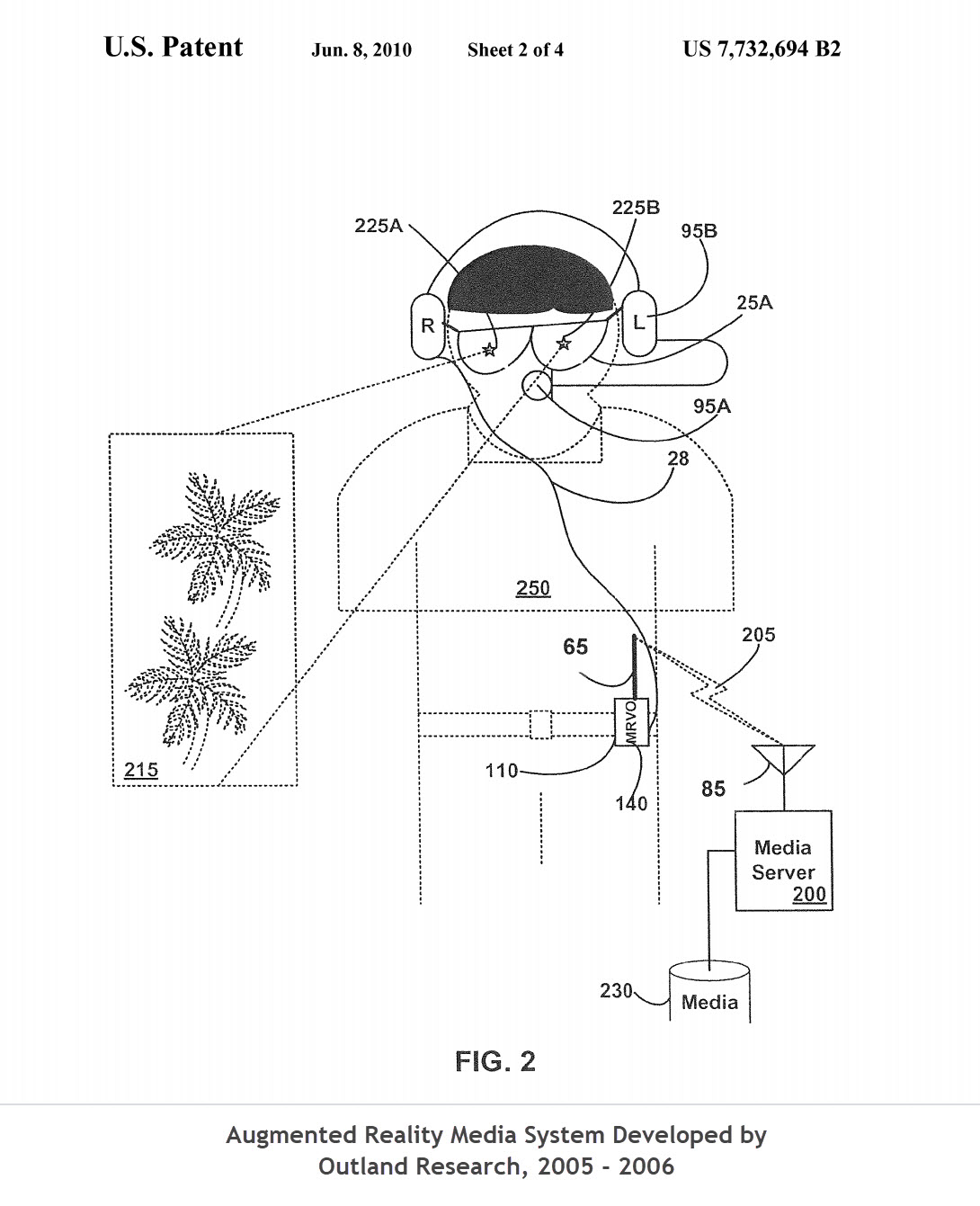
In the push toward human augmentation, we have become obsessed with the utility of the interface—the speed of thought, the sensory expansion, and the mechanical output. But while early adopters are busy chasing the competitive advantages of the Bio-Convergence era, they are inadvertently creating a catastrophic new attack surface: the Biological Liability. If you are integrating hardware into your physiological stack, you are no longer just a person; you are a network node. And in the world of high-stakes business, if you are a node, you are hackable.
The Illusion of the Air-Gapped Self
The original thesis of human augmentation focuses on productivity. The overlooked counter-thesis is that every input is also an output. By bypassing the traditional sensory gates (the eyes, the ears, the skin) and plugging directly into the nervous system, we are bypassing the biological firewalls that have protected human consciousness for millennia. When your neural-link transmits proprietary market analysis directly to your prefrontal cortex, you aren’t just gaining a competitive edge; you are creating a digital back-door into your own executive function.
The Three Risks of Biological Connectivity
For the elite professional, the risk profile of augmentation shifts from ‘wearable device’ to ‘systemic integrity.’ We must categorize these risks through a new security lens:
Cognitive Injection: If an interface can send haptic data or neural signals to your brain, it can theoretically be manipulated to alter perception, trigger neuro-chemical responses, or influence cognitive bias. This is the ultimate form of corporate espionage: manipulating the decision-maker by manipulating the input stream.
Latency Warfare: We prize low-latency for the sake of productivity. But in a compromised environment, low-latency is a vulnerability. A malicious actor with access to your neural interface doesn’t need to steal your data; they simply need to introduce a 50-millisecond delay in your haptic feedback during a high-stakes trade or negotiation to force a cognitive error.
The Forensic Trail of Intent: Unlike a laptop, which can be wiped, your neural-interface logs raw biological states. If your augmentations are compromised, you aren’t just losing access to accounts; you are providing a permanent, immutable record of your internal biological responses, decision-making patterns, and subconscious triggers.
Red Teaming Your Own Biology
If you are committed to the path of augmentation, you must move beyond the ‘Phase 1-2-3’ adoption model and adopt a Bio-Hardening Strategy. You must treat your physical body with the same zero-trust architecture as a military-grade server.
1. The Principle of Peripheral Isolation
Never allow your primary, executive-level neural implants to be the same hardware that handles your external communication (email, social, web browsing). Your “Work-Self” and “Life-Self” should exist on hardware that is physically separated—if not by device, then by strictly enforced, air-gapped memory partitions.
2. Entropy in the Feedback Loop
To prevent pattern-recognition-based hacks, implement ‘biological noise’ in your interfaces. Ensure that your sensory inputs are randomized or filtered through a secondary, trusted, encrypted processor that adds noise to the incoming data stream, preventing an attacker from mapping your neural response to specific stimuli.
3. Biological ‘Kill Switches’
If the hardware is inside you, you must have an analog-only kill switch. Relying on software to disable an interface is naive. The most secure augmentations will be those that require a secondary, physical authentication—like a mechanical proximity sensor or a physical magnetic key—to keep the neural link energized. If the physical key isn’t present, the system defaults to ‘Dead Air.’
The Final Strategy: Humility as a Security Measure
The temptation of the Bio-Convergence era is the belief that we can engineer our way out of human limitation. But as we move toward becoming ‘augmented entities,’ we must remember that the most dangerous vulnerability in any system is the user. The more you augment, the more you must harden. If you are not prepared to manage the cybersecurity of your own nervous system, you are not ready for the augmentation. In this new era, the ultimate strategic advantage will not belong to the person with the fastest neural link, but to the person who can maintain the sanctity of their own mind in an increasingly connected world.
Monitoring API Rate Limits: Proactive Strategies to Prevent Service Disruptions Introduction In modern distributed architectures, your service is only as…
Discover how quantum sensing platforms are revolutionizing space exploration by providing resilient, self-healing solutions for harsh radiation environments.
Standardizing AI Incident Reporting: A Blueprint for Senior Leadership Introduction Artificial Intelligence is no longer an experimental sandbox; it is…
Learn to bridge the gap between simulation and production with Sim-to-Real compilers for In-Situ Resource Utilization (ISRU) in modern cybersecurity strategies.