Beyond the Consensus Hype
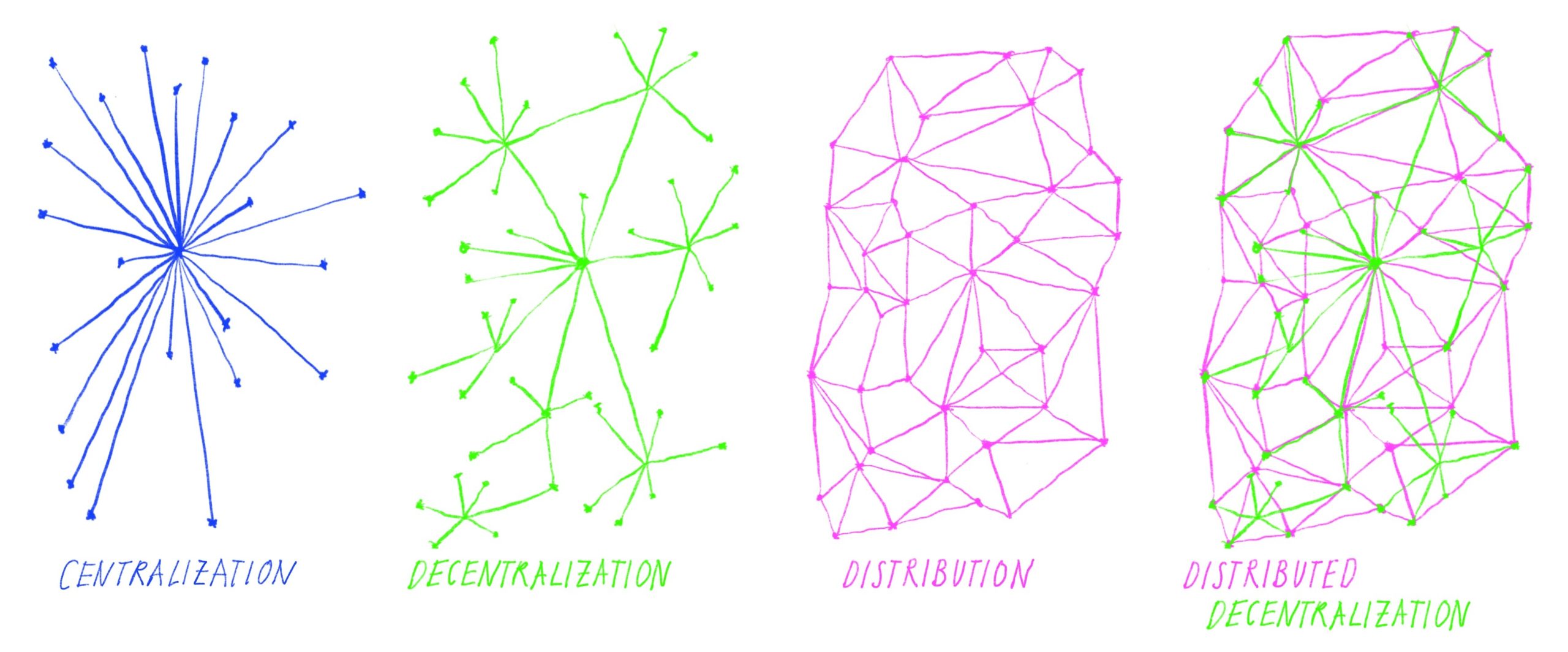
In the tech-forward discourse of the last few years, we’ve been sold a seductive narrative: that trust is an antiquated concept, soon to be replaced by the immutable, algorithmic certainty of blockchain protocols. We’ve been told that moving from centralized authority to decentralized consensus is not just a technological upgrade, but a moral one. But for the serious entrepreneur or executive, there is a contrarian reality that needs addressing: The shift toward decentralization does not eliminate the need for trust—it merely masks it behind layers of technical complexity.
The ‘Code is Law’ Illusion
The primary marketing hook of decentralized governance—that ‘code is law’—is fundamentally flawed in a business context. When a smart contract fails, when a DAO (Decentralized Autonomous Organization) faces a black-swan market event, or when governance parameters require a nuanced, ethical intervention, the absence of human leadership isn’t a feature; it’s a bug. Relying on immutable code as a substitute for human judgment assumes that the initial developers were omniscient. As we’ve seen in countless protocol exploits, the ‘trust’ didn’t vanish—it was simply transferred from a bank regulator to an anonymous developer team, often with less accountability than the former.
Human Judgment in an Algorithmic World
Leadership in the modern era is not about choosing between centralized or decentralized models, but about mastering Hybrid Governance. True organizational resilience comes from balancing the efficiency of automated consensus with the empathy and adaptability of human leadership.
- The Context Gap: Algorithms excel at verifying facts (e.g., ‘did this transaction occur?’), but they fail at interpreting intent. Governance often requires making decisions where the ‘right’ path isn’t mathematically clear, but ethically necessary.
- Accountability vs. Anonymity: Decentralization often leads to the ‘diffusion of responsibility.’ When everyone is responsible, no one is. Leaders must ensure that while technical processes are transparent, there remains a clear line of human accountability for the outcomes of those processes.
- Dynamic Adaptation: Centralized entities can change direction rapidly in response to crisis. Decentralized networks, due to their rigid consensus requirements, often face ‘governance paralysis.’ The strategic leader knows when to trust the ledger and when to step in to pivot the ship.
The Strategic Imperative: Becoming a ‘Trust Broker’
For the decision-maker, the goal shouldn’t be to build an organization that requires zero trust. Instead, it should be to become a Trust Broker. You must decide which layers of your business should be ‘trustless’ (leveraging DLT for supply chain verification, immutable record-keeping, and smart contract settlement) and which layers require the high-context, high-trust, human-centric approach that only leadership can provide.
We must stop chasing the utopia of the ‘trustless’ organization. The future belongs to leaders who use decentralized tools to audit their operations, but who retain the human authority to navigate the ambiguity that code will never understand. Decentralize your data, but centralize your mission, your vision, and your moral accountability. That is the true mandate for the next generation of business.