The Integrity Trap: Why ‘Ethical Frameworks’ Often Fail Leaders
— by
Steven Haynes
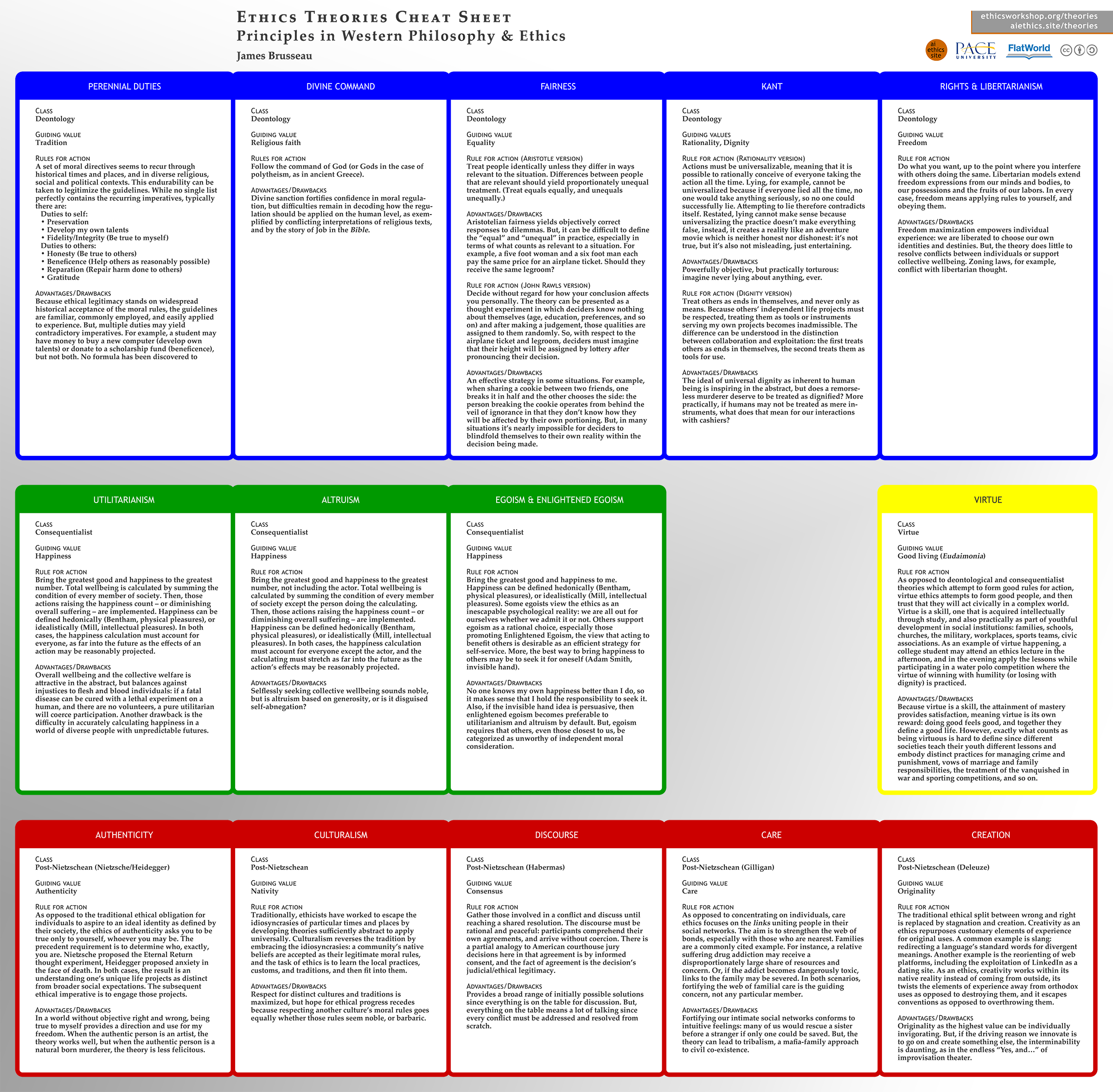
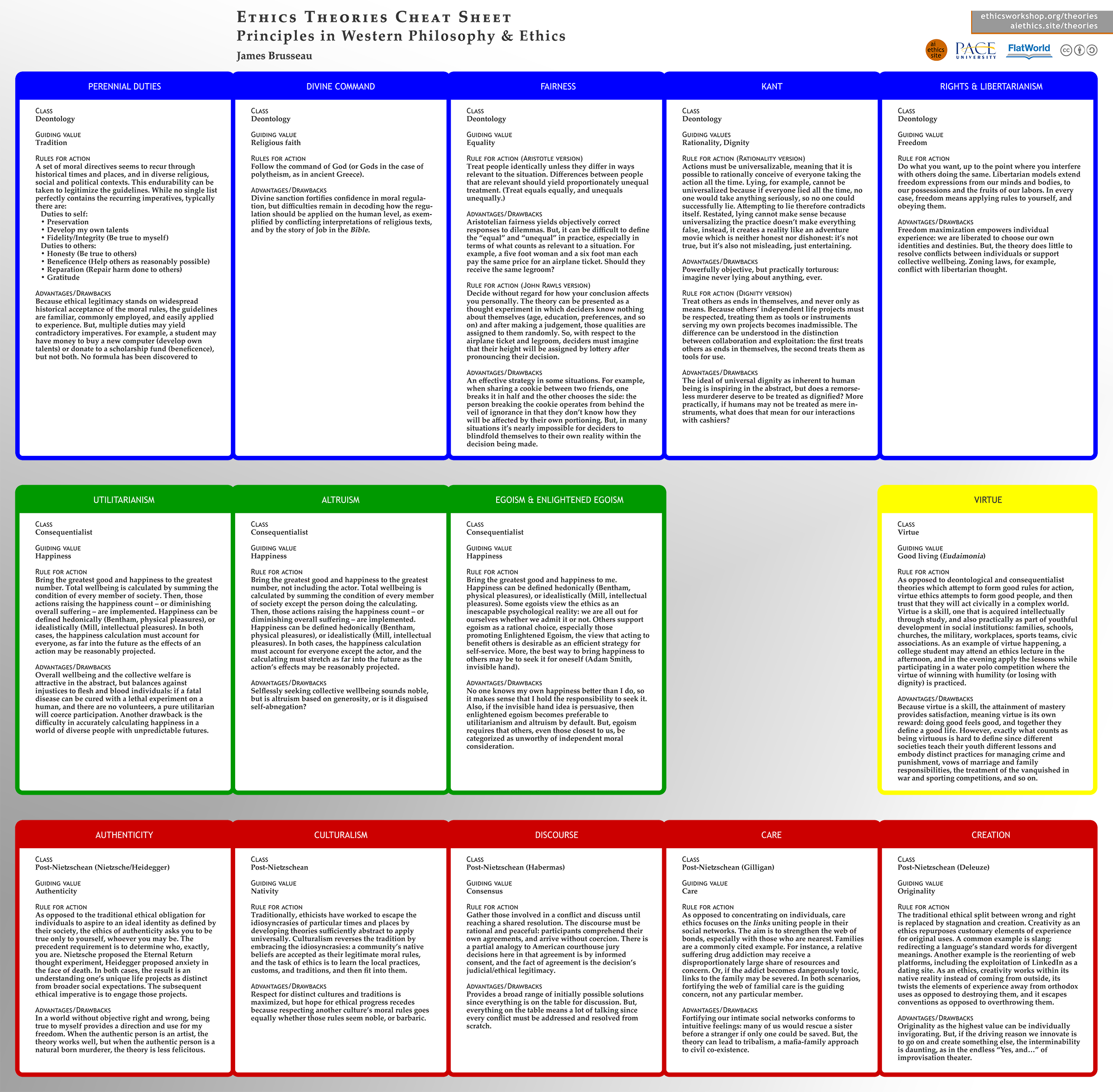
In the world of management theory, we love a good framework. We are taught that if we plug a moral dilemma into a utilitarian calculator or test it against Kantian duty, the ‘right’ answer will magically appear. But at The Boss Mind, we know the reality of the boardroom is rarely that clinical. Relying solely on structured ethical frameworks often leads to what I call The Integrity Trap—the false belief that if you’ve ‘followed the process,’ you’ve made an ethical decision.
The Illusion of Systematic Virtue
The problem with traditional applied ethics is that it treats morality like a math problem. It assumes that if you identify your stakeholders and weigh the outcomes, you are safe from scandal. Yet, history is littered with companies that had robust compliance departments and clear ethical codes but still collapsed under the weight of systemic corruption. Why? Because an ethical framework is often used as a shield rather than a compass.
When a leader uses ethics as a box-ticking exercise, they stop asking ‘Is this right?’ and start asking ‘Can I justify this through a recognized framework?’ This shift turns ethics into a game of intellectual gymnastics. It allows you to rationalize profit-seeking as ‘serving shareholders’ (utilitarianism) while ignoring the human cost, or to hide behind bureaucratic policies (deontology) while ignoring the suffering of the individual.
The Pivot: From ‘Process’ to ‘Psychological Courage’
True ethical leadership isn’t about choosing the right theory; it’s about having the stomach to face the reality of your impact. Here is how to evolve beyond the standard framework:
1. Embrace the ‘Discomfort Metric’
If your decision-making process feels easy or provides a clean, comfortable justification, you haven’t dug deep enough. Ethical dilemmas are inherently painful because they require sacrifice. If your framework leads to a conclusion that requires you to give up nothing—no profit, no time, no comfort—you are likely just rationalizing your existing agenda. True integrity often costs something.
2. The ‘Front Page’ Reality Check
Frameworks often sanitize decision-making by turning people into data points. Strip the jargon away. Imagine your decision is the headline of a major publication tomorrow morning, and you are explaining your ‘framework’ to a group of your toughest critics. If your explanation sounds like corporate doublespeak, your framework has failed you. If you can’t explain the ‘why’ in plain, human language, the decision is likely morally bankrupt.
3. Cultivate Moral Autonomy, Not Moral Conformity
We often look to ethical frameworks to outsource our guilt. By leaning on ‘company policy’ or ‘market imperatives,’ we distance ourselves from our own agency. The most effective leaders move from being ‘rule-followers’ to ‘value-creators.’ Instead of asking, ‘Does this fit within our ethical framework?’ ask, ‘Does this action represent the legacy I want to leave?’
The Takeaway
Applied ethics isn’t a procedural manual; it’s a practice of character. Don’t fall into the trap of believing that your sophisticated analysis exempts you from the consequences of your choices. Use frameworks as a starting point for dialogue, but never let them replace the hard, solitary work of looking in the mirror and asking, ‘Am I proud of who I am when I make this call?’
At the end of the day, a framework can tell you what is permissible, but only your own integrity can tell you what is right.




Leave a Reply