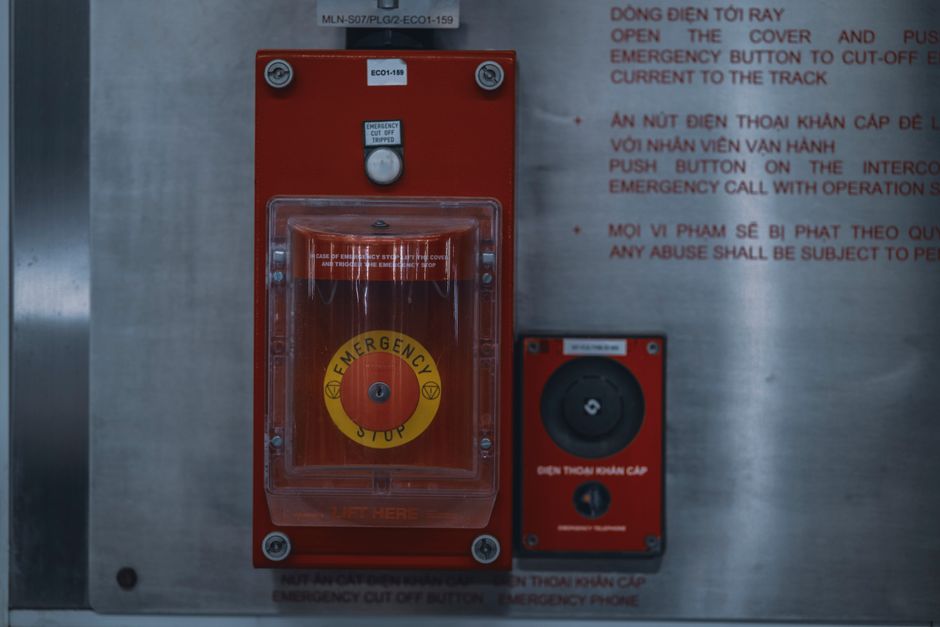
The Architecture of the Emergency Override
Most organizations operate under the comfortable delusion that their governance frameworks are comprehensive. They build elaborate decision-making matrices, delegation of authority limits, and standard operating procedures intended to govern every conceivable business scenario. Yet, the moment a genuine crisis strikes—a liquidity crunch, a massive security breach, or a catastrophic supply chain collapse—these frameworks often become liabilities. They create friction where speed is the only currency of survival.
Emergency protocol overrides are not merely safety valves for extreme circumstances; they are a critical component of high-performance strategy. Without a predefined, authorized path to bypass standard bureaucracy, leadership teams inevitably fall into paralysis or, worse, make panicked, ad-hoc decisions that bypass internal controls without any guardrails.
Defining the Threshold of Autonomy
The primary failure in most emergency protocols is ambiguity. When the definition of an “emergency” is left to individual interpretation, the system is prone to either abuse or hesitation. Operational excellence requires a binary trigger: specific, measurable metrics that move an organization from “standard operation” to “override mode.”
This threshold must be codified. It should rely on quantitative triggers—such as a 15% drop in cash reserves over a 48-hour period or the total failure of a primary production node—rather than qualitative feelings of urgency. When the criteria are operationalized, you remove the emotional burden from the leadership team. They are no longer deciding whether to break the rules; they are executing a pre-authorized contingency plan.
The Anatomy of an Override Framework
An effective override isn’t a “get out of jail free” card. It is a controlled expansion of authority. To maintain organizational integrity, the override must be built on three non-negotiable pillars:
- Defined Responsibility: An override must be triggered by a specific role, not a committee. In a crisis, consensus is the enemy of execution. You need a single point of accountability who possesses the mandate to act.
- Hard Constraints: Even in an emergency, the organization must remain within the bounds of legal and ethical compliance. An override permits the bypass of internal policy, not the law. These constraints must be clearly stated to prevent the “emergency” from becoming a justification for misconduct.
- The Reversion Mechanism: An override is a temporary state. Every override must have a mandatory expiration date or a “sunset” condition. Once the crisis threshold is no longer met, the organization must revert to standard governance immediately.
The Role of AI in Real-Time Override Governance
We are entering an era where AI can facilitate the oversight of these overrides. Human decision-makers often struggle to maintain objectivity under the pressure of a high-stakes event. By integrating automated monitoring, leadership can receive real-time alerts when an override is triggered, ensuring that the actions taken remain within the authorized scope of the protocol.
AI-driven auditing tools can track every departure from standard policy during an override period. This creates a transparent audit trail that allows for a “post-mortem” analysis once the crisis subsides. This feedback loop is essential. If the emergency protocols were used correctly, you validate the framework. If they were used improperly, you refine the protocol for the next inevitable disruption.
Institutionalizing Resilience
Emergency overrides are a test of organizational maturity. Organizations that lack these protocols often experience “governance creep,” where the fear of making a mistake during a crisis leads to a total stagnation of leadership. They wait for the crisis to solve itself or for external intervention because they lack the internal authorization to act decisively.
True operational resilience is the ability to shift gears without losing momentum. By building, testing, and documenting your override protocols, you do not create a license for chaos. You create a structure that allows your team to remain calm, precise, and effective when the rest of the market is in a state of reaction.
Further Reading
- Mastering High-Stakes Decision Making
- The Mechanics of Flawless Execution
- Developing Antifragile Corporate Strategy