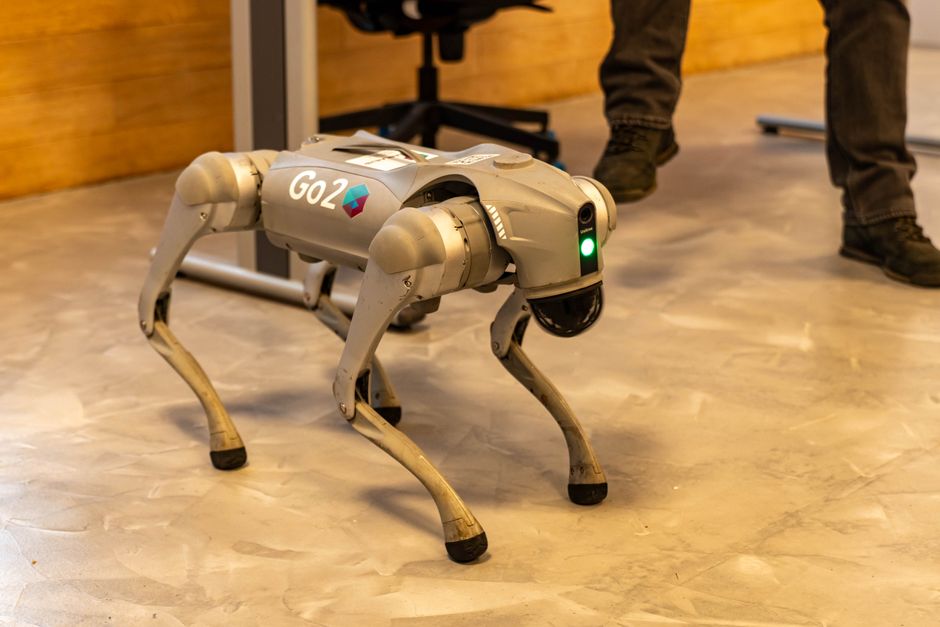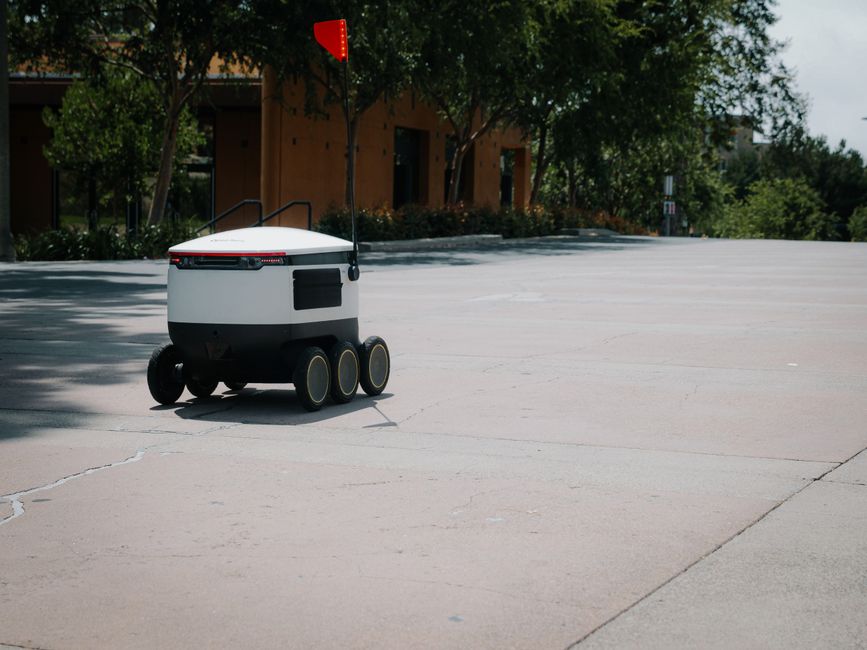
The battlefield—and the boardroom—is shifting from high-cost, centralized assets to the era of distributed, emergent intelligence. We are moving away from the era of the “monolithic platform” toward a future defined by autonomous sensor swarms. These are not merely collections of cameras or microphones; they are decentralized, self-organizing networks that operate with a collective consciousness, turning raw environmental data into actionable decision-making intelligence at the edge.
The Physics of Decentralization
In traditional operational models, data flows upward. Sensors report to a central hub, a human analyst processes the input, and a command is issued back down the chain. This is a latency-heavy, brittle architecture. If the hub is compromised or the bandwidth fails, the entire system goes dark. Autonomous sensor swarms invert this paradigm.
By pushing execution to the periphery, these swarms function like a biological immune system. Each node in the swarm possesses local processing power. They communicate through mesh networking, sharing state information and coordinating coverage patterns without requiring a master controller. When one node fails, the swarm reconfigures its geometry to maintain coverage. This is the ultimate expression of operational excellence: a system that is fundamentally anti-fragile.
Strategic Implications for High-Performance Environments
For the modern leader, the shift toward swarming technology mirrors the transition from command-and-control management to mission-command structures. If your organization relies on a central bottleneck to synthesize information, you are already behind the curve.
Autonomous swarms provide three distinct advantages that mirror the requirements of strategy in complex environments:
- Redundancy through Heterogeneity: Unlike a single, expensive satellite or high-end sensor, a swarm can consist of dozens of low-cost, disposable units. The risk of total system failure drops toward zero.
- Dynamic Adaptability: A swarm can expand, contract, or shift its focus based on real-time environmental triggers. This mimics the agility required in modern market leadership, where the ability to pivot is often more valuable than the ability to plan.
- Signal-to-Noise Filtering: By processing data at the edge, swarms filter out the noise before it hits the central decision engine. They only report the anomaly, the change, or the threat, preserving bandwidth and mental capital for the most critical high-performance thinking.
The AI Integration Layer
The true power of these swarms is not in the hardware; it is in the software-defined coordination. By embedding AI models directly into the swarm, we move from “sensing” to “understanding.” The swarm doesn’t just record a moving object; it identifies it, tracks its intent, and communicates that intent to neighboring nodes.
This is where the concept of leverage enters the equation. A swarm of sensors, when paired with onboard machine learning, acts as a force multiplier for human perception. It allows an organization to monitor vast, complex systems—whether those are supply chains, physical perimeters, or digital infrastructures—with a fraction of the human resources previously required.
Operationalizing the Swarm Mindset
You do not need to deploy actual drone swarms to apply the lessons of autonomous sensor networks to your own operations. The principles of the swarm are applicable to human capital and organizational design:
- Decentralize Authority: If your team must wait for a centralized “hub” to approve every move, you are operating with the latency of a 20th-century sensor. Push decision-making to the edges where the information is actually being gathered.
- Prioritize Mesh Communication: Ensure that your internal teams communicate laterally, not just vertically. The “nodes” of your organization must share information directly to create an emergent understanding of the market.
- Eliminate Single Points of Failure: Audit your processes for dependencies. If a single person or a single department is the only one who can interpret specific data, you have created a bottleneck that will eventually crash the system.
The future belongs to those who understand that scale is no longer about size; it is about the density and intelligence of the network. Whether you are building actual sensor swarms or simply organizing a high-impact team, the objective remains the same: create a system that senses, adapts, and acts with minimal friction.