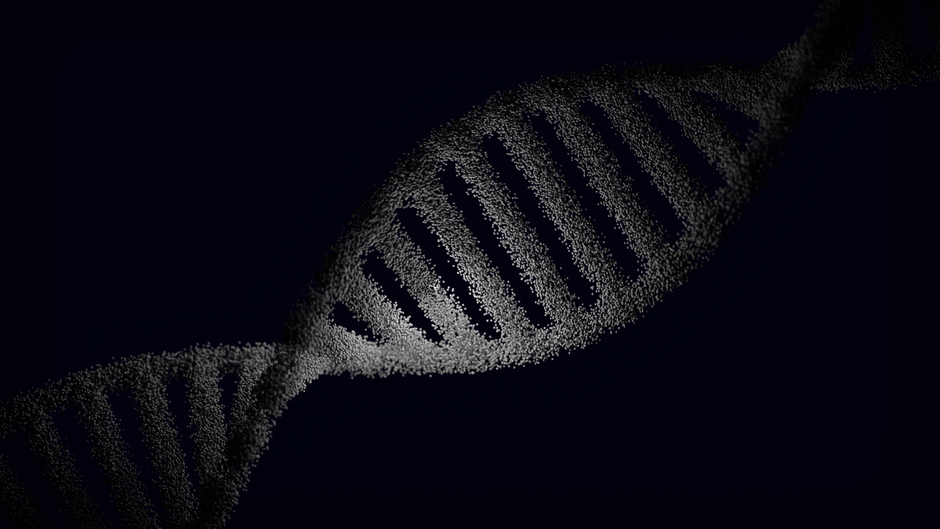
Silicon is failing. As global data production barrels toward the zettabyte scale, our reliance on flash memory and magnetic tape is hitting a thermodynamic wall. We are running out of physical space to house our digital history, and the energy cost of maintaining data centers is becoming an operational liability. The solution to this bottleneck does not lie in more efficient chips or denser servers. It lies in the most durable, high-density storage medium ever engineered: DNA.
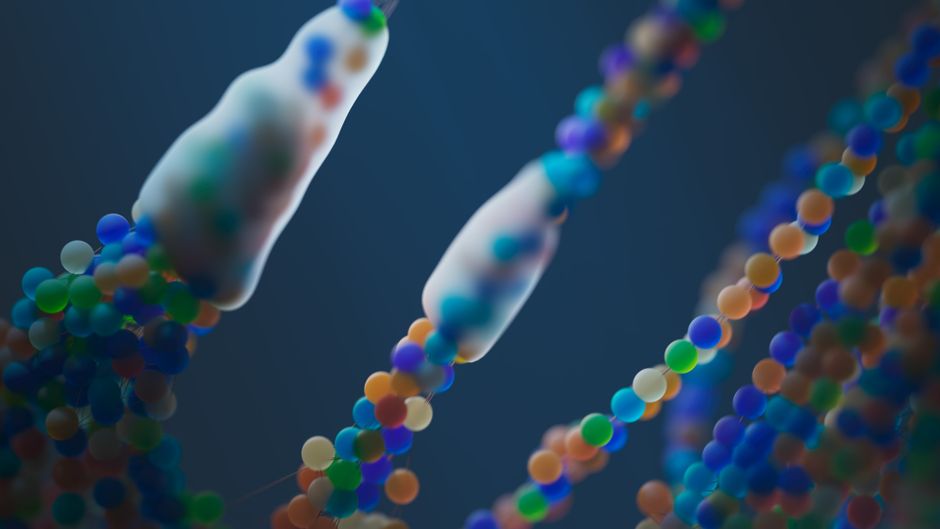
Biological data storage is no longer science fiction. It is the transition from hardware-centric strategy to information-theoretic permanence. By encoding digital binary into the four-letter alphabet of nucleotides—adenine, cytosine, guanine, and thymine—we can theoretically store the entire history of human civilization in a volume of fluid the size of a shoebox. This is not just a storage upgrade; it is a fundamental shift in how we perceive the longevity of information.
The Physics of Biological Density
The primary constraint of current storage technology is the physical footprint. Hard drives and SSDs operate on the macro scale, requiring massive infrastructure and constant climate control to prevent bit rot. In contrast, DNA offers a storage density that dwarfs current silicon limits by several orders of magnitude.
When you approach data management through the lens of operational excellence, the appeal is clear: DNA provides an archival medium that remains stable for millennia without power. Unlike a server that requires constant cooling and electricity, a dry, cool vial of DNA is a passive, immutable asset. For long-term risk mitigation, it creates an entirely new category of data resilience.
Operational Challenges and the Synthesis Hurdle
While the density of biological storage is revolutionary, the current cost of synthesis and sequencing remains the primary barrier to adoption. Writing data into DNA requires synthesizing custom strands, a process that is currently too slow and expensive for real-time applications. However, the trajectory of biotechnology suggests that we are at an inflection point similar to early computing.
For leaders evaluating the future of data infrastructure, the focus must remain on the development of high-throughput synthesis. We are moving toward a future where AI-driven optimization of biochemical processes will bring the cost of writing biological data into parity with magnetic storage. Strategic foresight requires recognizing that when the cost-per-gigabyte drops, the massive archives currently consuming power and physical space will become obsolete overnight.
Decision-Making in the Age of Biological Data
Adopting biological storage requires a radical rethinking of data lifecycle management. Most organizations treat data as a temporary asset that must be migrated every five to ten years to avoid hardware failure. Biological storage changes the equation to “write once, read never.”
This creates a new decision-making framework for high-performance organizations. If your data persists for centuries, your archival strategy shifts from “maintenance” to “preservation.” You no longer manage storage hardware; you manage the integrity of the molecule. This demands a new breed of data scientists who understand both bioinformatics and traditional information architecture.
The Future of Execution
We are entering an era where the boundary between hardware and biology is dissolving. Biological data storage is the ultimate example of high-performance thinking—solving a massive logistical problem by utilizing the building blocks of life itself. The winners of the next decade will be the organizations that stop throwing more electricity at legacy problems and start investing in the fundamental physics of information storage.
The question for any executive today is not whether DNA storage will replace silicon. It is how quickly your organization can adapt its data architecture to a world where storage is practically infinite, indefinitely durable, and microscopically small.