The atmosphere is the ultimate high-stakes operational environment. It is volatile, unpredictable, and entirely indifferent to human enterprise. Yet, as global climate patterns shift and resource scarcity tightens, the pursuit of weather modification—cloud seeding, atmospheric ionization, and large-scale thermal management—has moved from the fringes of experimental science to a focal point of national and corporate strategy.
Monitoring these interventions is not merely a scientific exercise; it is an exercise in risk management and geopolitical intelligence. For the modern leader, understanding the mechanics of atmospheric control is a masterclass in the complexities of second-order effects.
The Architecture of Atmospheric Intervention
Weather modification operates on the principle of nudging metastable systems. Whether through silver iodide dispersal or hygroscopic flare deployment, the objective is to induce precipitation or suppress hail by altering the microphysical processes within a cloud. However, the operational challenge lies in the “signal-to-noise” ratio. Distinguishing between a naturally occurring weather event and an anthropogenically induced one requires sophisticated, multi-layered monitoring infrastructure.
Current monitoring frameworks rely on a triad of data inputs:
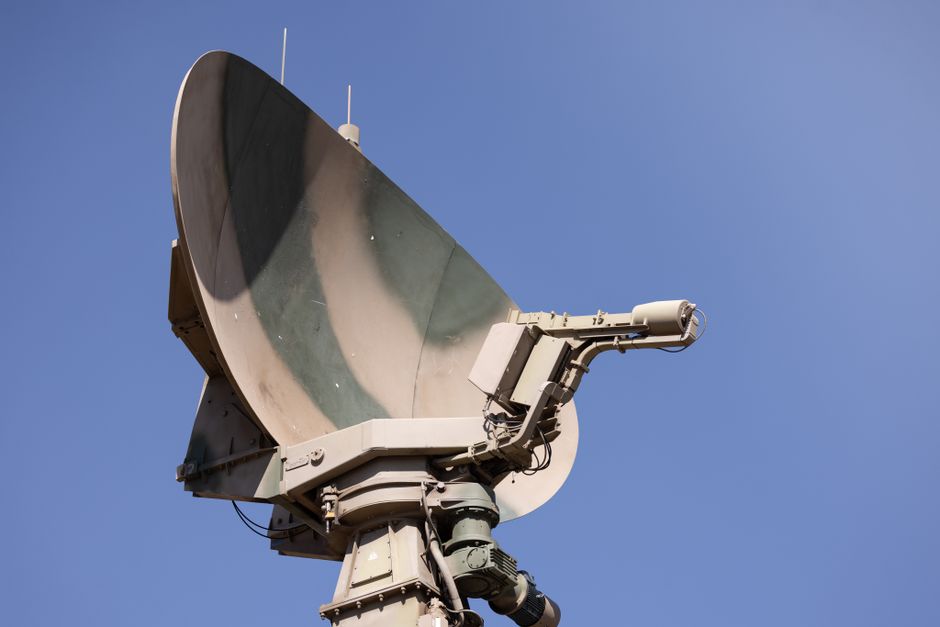
Remote Sensing: Dual-polarization Doppler radar provides the granular resolution needed to track hydrometeor size and distribution, offering a real-time feed on whether a cloud’s internal structure is responding to seeding agents.
In-Situ Probes: High-altitude drones and aircraft penetrate the target zones to measure liquid water content and ice nuclei concentrations, providing the ground truth that satellite imagery often lacks.
Predictive Modeling: Advanced AI-driven simulations run parallel to real-world operations. By comparing observed outcomes against non-intervention baseline models, operators can quantify the precise leverage exerted on the atmospheric system.
The Logic of 918: Precision and Accountability
In the context of atmospheric monitoring, the identifier “918” refers to a specific calibration protocol designed to standardize the reporting of cloud-seeding efficacy. When resources are deployed to alter weather patterns, the margin for error is non-existent. Without rigorous adherence to protocols like 918, projects suffer from “attribution bias,” where leaders mistake coincidence for causation.
High-performance thinking requires a clear feedback loop. If you cannot measure the input, you cannot optimize the output. In atmospheric monitoring, this means moving beyond simple rainfall counts. It requires an audit of the atmospheric state before, during, and after the intervention. Leaders who ignore this level of detail risk sinking capital into projects that provide the illusion of control while offering zero tangible return on investment.
Decision-Making in Uncertain Environments
The broader implication of weather modification monitoring is the shift in how we approach decision-making under uncertainty. In business, as in meteorology, we often operate in systems where we can influence the conditions but never dictate the outcome. The ability to monitor, adjust, and pivot is the hallmark of operational excellence.
When monitoring large-scale systems, the most common trap is the “control fallacy”—the belief that because we have intervened, the results are entirely within our command. Atmospheric data proves otherwise. The atmosphere remains a non-linear system. Effective leaders understand that even with the most advanced monitoring technology, the goal is not total control, but rather the management of probabilities. You monitor to reduce the range of potential outcomes, not to eliminate them.
Strategic Implications for Global Infrastructure
As states and private entities expand their capabilities in weather modification, the monitoring infrastructure will become a critical asset in international relations and market stability. Water rights, agricultural output, and energy production are all increasingly dependent on the ability to influence—and verify—atmospheric behavior.
For those in positions of power, the lesson is clear: the future belongs to those who control the data. Whether you are managing a supply chain, a workforce, or a regional weather modification program, the ability to collect, interpret, and act upon high-fidelity data is the ultimate competitive advantage. When you apply the rigor of 918-style monitoring to your own decision-making, you remove the guesswork and replace it with a disciplined, evidence-based approach to complex execution.