The Architecture of Intermittency: Why Renewable Integration is an Operational Challenge
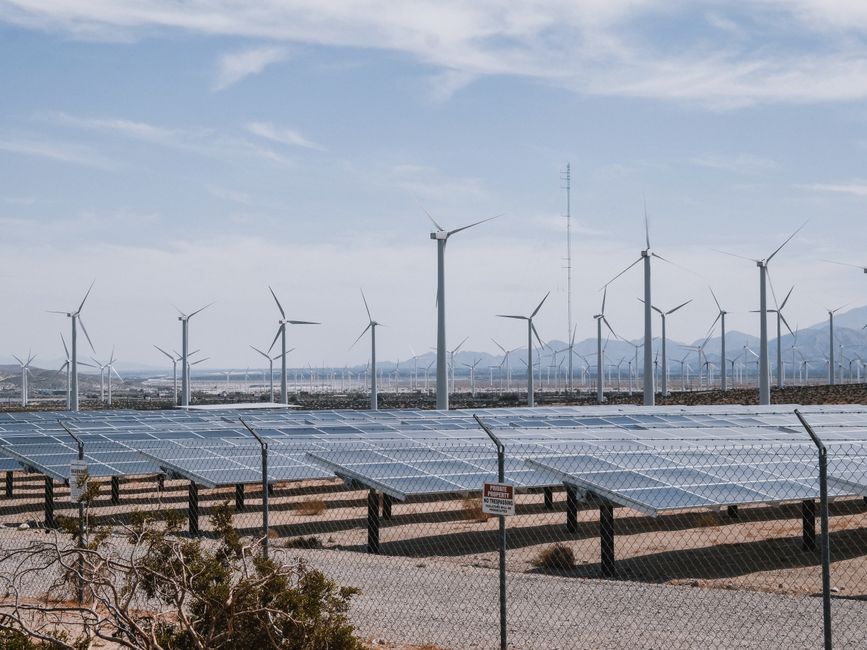
The transition to renewable energy is not an engineering problem; it is a massive exercise in systems architecture and risk management. For decades, industrial power grids relied on the predictable, dispatchable nature of thermal generation. By burning coal or gas, operators maintained a direct correlation between fuel input and electrical output. Renewables—specifically wind and solar—shatter that correlation. They introduce the fundamental problem of intermittency, turning the power grid from a deterministic machine into a complex, probabilistic network.
For leaders in the energy sector and industrial strategists, this shift requires a complete overhaul of how we approach operational excellence. When your primary input is variable, your strategy must pivot from central control to distributed resilience. The integration of renewables is essentially a test of how effectively an organization can manage volatility without sacrificing output reliability.
The Fallacy of Simple Capacity
Many organizations mistake capacity for capability. Installing a massive array of solar panels or a wind farm provides raw capacity, but it does not inherently provide value. In the language of strategy, capacity is a sunk cost; capability is the ability to deploy that energy when the market or the facility demands it. Without storage or sophisticated demand-response mechanisms, a surplus of renewable energy at 2:00 PM is a liability, not an asset.
High-performance leaders recognize that integration is about matching the temporal profile of supply with the requirements of demand. This requires moving beyond traditional metrics. Instead of focusing solely on energy volume, focus on the “firmness” of the power supply. A grid that is 80% renewable but 100% reliable is superior to a grid that is 100% renewable but prone to catastrophic failure. This is where decision-making frameworks come into play: you must decide where to accept variability and where you must hedge against it using battery storage, hydrogen, or grid-scale interconnections.
Building Resilience into the Distributed Grid
The shift to renewables accelerates the decentralization of power. This mirrors the shift in corporate structures from rigid hierarchies to agile, decentralized teams. When power generation moves from a few massive plants to thousands of smaller, distributed assets, the complexity of management increases exponentially. This is where AI becomes not just a tool, but an operational necessity.
We cannot manually manage the frequency and voltage of a grid fed by thousands of intermittent sources. Machine learning algorithms now handle the predictive modeling required to balance supply and demand in real-time. This is high-performance thinking applied to infrastructure: using predictive data to automate the mundane and focus human cognitive load on systemic anomalies. When AI manages the micro-adjustments, the human operator’s role shifts to architecting the rules and constraints of the system, rather than fighting the individual fires of daily load balancing.
Execution and the Cost of Inaction
Integration is not merely about the hardware—the inverters, the turbines, or the batteries. It is about the execution of a transition plan that minimizes downtime. Organizations that treat renewable integration as an IT problem or a PR exercise fail to realize that this is a core infrastructure transformation.
To succeed, leaders must apply the following operational principles:
Redundancy as Strategy: Never rely on a single source of renewable power. Build a portfolio of assets that have non-correlated intermittency profiles (e.g., wind and solar often peak at different times).
Data-Driven Load Shedding: Implement automated systems that can reduce consumption or shift non-critical processes to periods of high renewable generation.
Incentive Alignment: Ensure that your operational teams are measured on the reliability of the system, not just the percentage of carbon-free energy used. If the incentives don’t match the operational reality, the integration will fail.
The goal is to move from a state of reactive adjustment to proactive orchestration. The organizations that master this will find that renewable integration provides a competitive advantage in energy costs, regulatory compliance, and brand resilience. Those that treat it as an annoyance to be managed will find themselves at the mercy of market volatility.