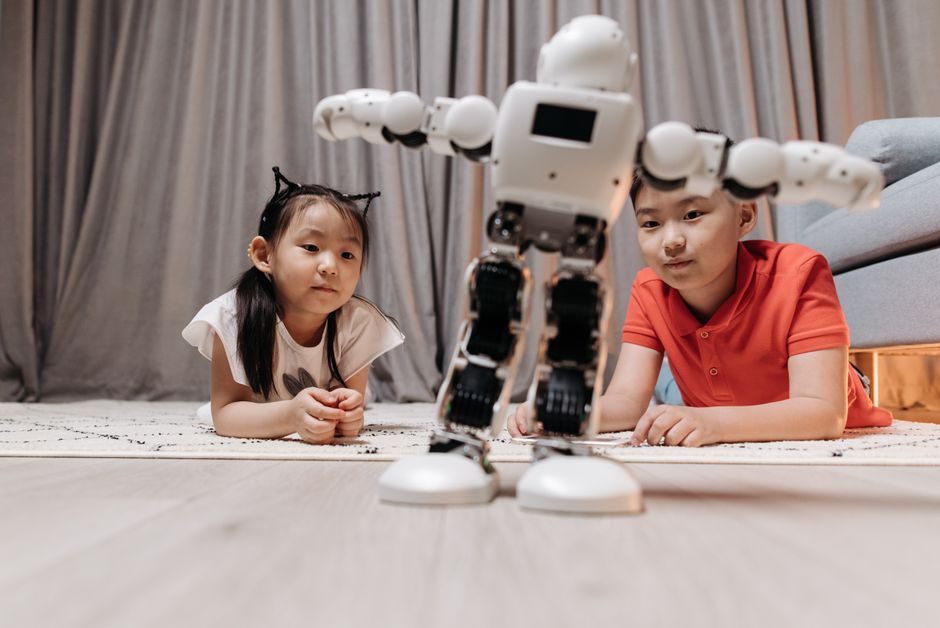
The End of the “Average” Learner
Education has long been shackled by the constraints of the industrial model: standardized curricula, fixed timelines, and the assumption that a single instructor can effectively address the cognitive needs of thirty distinct minds simultaneously. This model is not just inefficient; it is a structural failure that limits human potential. The emergence of personalized learning AI fundamentally dismantles this bottleneck. By shifting from a broadcast model of information delivery to a recursive, adaptive feedback loop, we are entering an era where the cost of bespoke instruction approaches zero.
For leaders and organizations, this is not merely a tool for training employees. It is a fundamental shift in how we build intellectual capital. When you treat professional development as a mass-market commodity, you pay for the inefficiency of people learning things they already know or struggling with gaps they haven’t addressed. AI-driven personalization changes the calculus of [operational excellence] by ensuring that every minute spent learning is high-leverage and targeted.
The Architecture of Adaptive Competence
At its core, personalized learning AI functions through dynamic assessment. Unlike a traditional quiz that measures output at a single point in time, these systems monitor the process of cognition. They identify the precise intersection of a user’s existing mental models and the specific information required to bridge a knowledge gap.
This is the bridge between [strategy] and execution. When your workforce possesses granular, personalized knowledge, the speed of decision-making increases. An organization that relies on broad, generic training suffers from “competence drift,” where team members apply outdated or ill-fitting frameworks to unique problems. Adaptive systems prevent this by constantly recalibrating the learner’s path based on performance data, effectively creating a bespoke curriculum for every individual in the organization.
Removing the Friction of Skill Acquisition
The greatest barrier to high-performance thinking is not a lack of resources, but the friction involved in accessing the *right* information at the *right* time. Most corporate training programs are bloated, static, and disconnected from the immediate pressures of the workflow.
Personalized AI systems solve this through:
- Micro-calibration: Breaking complex subjects into atomic units that the AI serves only when the learner demonstrates readiness.
- Feedback Loops: Implementing immediate error correction, which forces the learner to refine their mental models in real-time rather than waiting for a post-course evaluation.
- Predictive Pathing: Identifying where a learner is likely to struggle before they even encounter the material, allowing the system to adjust the complexity or the delivery method proactively.
This is the practical application of [high-performance thinking]. By offloading the administrative burden of tracking progress and curating content to an AI, the leader’s role shifts from content administrator to architect of the learning environment. You stop worrying about “what” people are learning and start focusing on “how” they are applying those skills to move the needle on key objectives.
Operationalizing Personalization
To integrate AI into your organizational development, you must move beyond the “one-size-fits-all” learning management system. Start by auditing your current training bottlenecks. Where do your teams spend the most time re-learning or searching for clarity?
AI-driven personalization is most effective when it is embedded directly into the flow of work. If a team member is struggling with a complex [decision-making] framework, the AI should not point them to a three-hour seminar; it should provide a targeted, three-minute interactive module that addresses the specific nuance they are missing. This is how you optimize for speed and mastery.
Ultimately, the goal is to create a culture of autonomous growth. When the friction of learning is removed, you empower your team to take ownership of their own intellectual development. This is not just an efficiency gain; it is a competitive advantage. Organizations that successfully implement personalized learning at scale will out-pace their peers not because they work harder, but because they learn faster and apply that knowledge with greater precision.