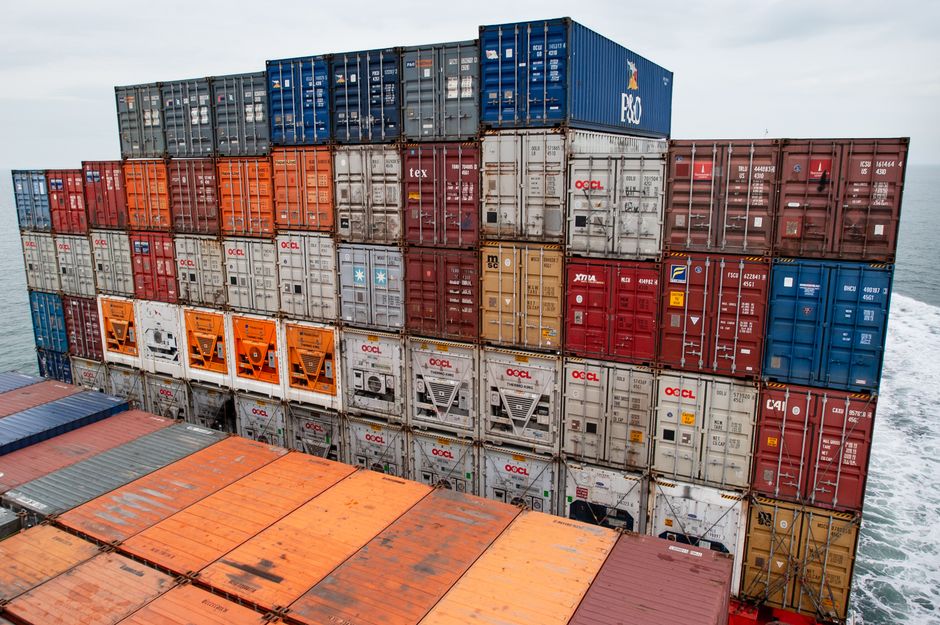
The transition from a single-planet civilization to a multi-planetary one is not a scientific challenge; it is a cold, hard problem of supply chain management at an interstellar scale. When the survival of the human species relies on decision-making frameworks that span light-minutes, the traditional notions of lean manufacturing and just-in-time delivery become liabilities. Redundancy is no longer an inefficiency to be pruned; it is the fundamental architecture of survival.
Operating a colony on Mars or beyond requires a radical shift in operational excellence. On Earth, we optimize for cost and speed. In deep space, those metrics are secondary to the brutal reality of environmental closure. Every kilogram of cargo sent from Earth represents a massive capital expenditure in energy and time, meaning the primary strategy for off-world expansion must be rooted in local resource utilization (ISRU) and extreme material recycling.
The Physics of Decision Latency
Leadership in a multi-planetary context faces a unique constraint: the speed of light. As distance increases, centralized command structures collapse. A manager on Earth cannot micromanage a situation on Mars when the round-trip communication delay is between six and forty-four minutes. This necessitates a move toward autonomous execution protocols.
High-performance teams in these environments must possess the authority to act without waiting for authorization. This is the ultimate test of decentralized command. Leaders must define the objective clearly, provide the necessary resources, and then step out of the way. If your team requires constant guidance from the home office, your mission will fail the moment the radio link goes dark. Building a culture of radical accountability is the only way to ensure that operations continue when the feedback loop is broken.
AI as the Infrastructure of Autonomy
Human cognition is ill-equipped to manage the sheer volume of variables inherent in sustaining an off-world habitat. Atmosphere recycling, radiation shielding, temperature regulation, and food production constitute an interconnected web of systems that require constant monitoring. Here, AI moves from a productivity tool to a critical piece of infrastructure.
The goal is to move from human-in-the-loop to human-on-the-loop systems. AI agents must handle the minute-by-minute adjustments of habitat life support, allowing human operators to focus on higher-level high-performance thinking: resource allocation, research, and long-term expansion goals. When a machine handles the entropy of the system, humans are free to handle the strategy of the mission.
Scaling the Fragile Frontier
Logistics for a multi-planetary species relies on the concept of modularity. If a component fails on Mars, you cannot wait six months for a replacement part from Earth. You need to print it, synthesize it, or repurpose it from existing scrap. This requires a departure from the “black box” engineering of the modern era. We must return to a philosophy of repairable, transparent systems where the underlying logic is accessible to the end-user.
This shift has profound implications for how we train our teams today. The best engineers are not just those who can design complex systems; they are those who understand the first principles of their craft well enough to rebuild them from raw materials. This is the essence of high-stakes problem solving: the ability to strip away the noise and focus on the fundamental physics of the situation.
The move to other planets is an exercise in extreme risk management. It forces us to confront our reliance on fragile, centralized systems and demands that we build structures capable of surviving in isolation. Whether we are building a space station or a Fortune 500 company, the principles remain the same: simplify the supply chain, decentralize the command, and automate the mundane to liberate the mind for the complex.