The End of Animal Agriculture as a Fixed Operational Constraint
For centuries, the production of protein has been shackled to a linear, biological supply chain: you raise an animal, you feed it, you wait for it to mature, and you process it. It is an industry defined by massive overhead, biological unpredictability, and severe resource inefficiency. Cultured meat—the process of cultivating animal cells directly in a bioreactor—represents the transition of food production from a biological process to a precision manufacturing operation.
For the leadership teams currently managing the global supply chain, this is not merely a change in product; it is a fundamental shift in the unit economics of nutrition. When you decouple the protein from the animal, you eliminate the overhead of keeping a living creature alive just to harvest a fraction of its mass.
The Operational Shift: From Farming to Fermentation
In traditional protein production, the “bioreactor” is the animal itself. It is a highly inefficient system where the vast majority of calories consumed by the livestock are burned to maintain body temperature, movement, and organ function rather than being converted into muscle tissue. Cultured meat moves this process into a controlled environment where conditions are optimized for cellular proliferation.
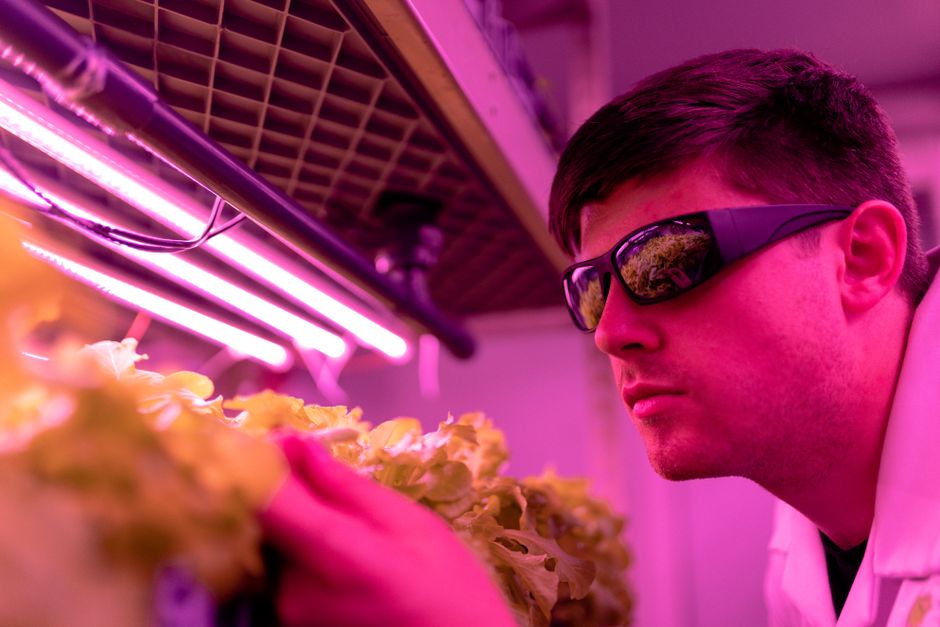
This is a transition from high-variance agriculture to high-precision operational excellence. In a bioreactor, the variables are measurable: temperature, nutrient density, oxygen levels, and pH. By treating food production like a software-defined manufacturing process, companies can achieve consistency that is impossible in an open-field environment. The goal is to reach a state where the growth medium—the “feed” for the cells—is standardized and scalable, removing the massive land and water requirements that currently dictate the cost structure of the meat industry.
The 51 Percent Threshold: A Strategic Inflection Point
The figure of 51 percent often surfaces in discussions regarding the environmental impact of livestock or the potential market share conversion necessary to disrupt traditional systems. Whether analyzing the percentage of greenhouse gas emissions attributed to the sector or the market penetration required to trigger a collapse in traditional commodity prices, the “51 percent” mark serves as a critical strategic threshold.
For high-performers, this is a lesson in decision-making under conditions of market disruption. When a new technology moves toward capturing a majority share of a legacy market, the transition rarely happens incrementally. It follows an S-curve. Companies that wait until the transition is obvious are typically left with stranded assets. Those who analyze the inflection points—where production costs of cultured protein finally dip below the cost of traditional slaughter—are positioned to dominate the next era of global food security.
Scaling the Bioreactor: The Engineering Bottleneck
The primary barrier to mass adoption is not biology; it is industrial engineering. To reach price parity, the industry must solve the “scaling the bioreactor” problem. Current production relies on small-batch, pharmaceutical-grade equipment. To compete with the commodity meat market, the industry needs to evolve toward massive, continuous-flow fermentation systems capable of producing thousands of tons of biomass without contamination.
This requires a departure from traditional food science toward heavy industrial engineering and AI-driven process optimization. AI models are already being used to optimize growth media formulations, identifying the precise amino acid and growth factor combinations that maximize cellular doubling rates. This is where the competitive edge lies: the company that optimizes the growth medium for maximum yield at minimum cost controls the market.
Strategic Implications for Global Leaders
The rise of cultured meat forces a re-evaluation of strategy for food conglomerates and investors alike. As the technology matures, the traditional livestock value chain will face significant margin compression. Leaders must ask themselves: Is their organization built to manage biological assets or industrial manufacturing assets?
The transition toward cultured meat is inevitable because it solves the fundamental inefficiency of the current model. It transforms protein from a commodity subject to the whims of weather, disease, and geography into a repeatable, scalable, and modular industrial process. For those who view food through the lens of supply chain optimization and high-performance thinking, the future of meat is not found on a ranch, but in a controlled, data-rich facility.