The Energy Arbitrage: Why Decentralized Power is Your Next Profit Center
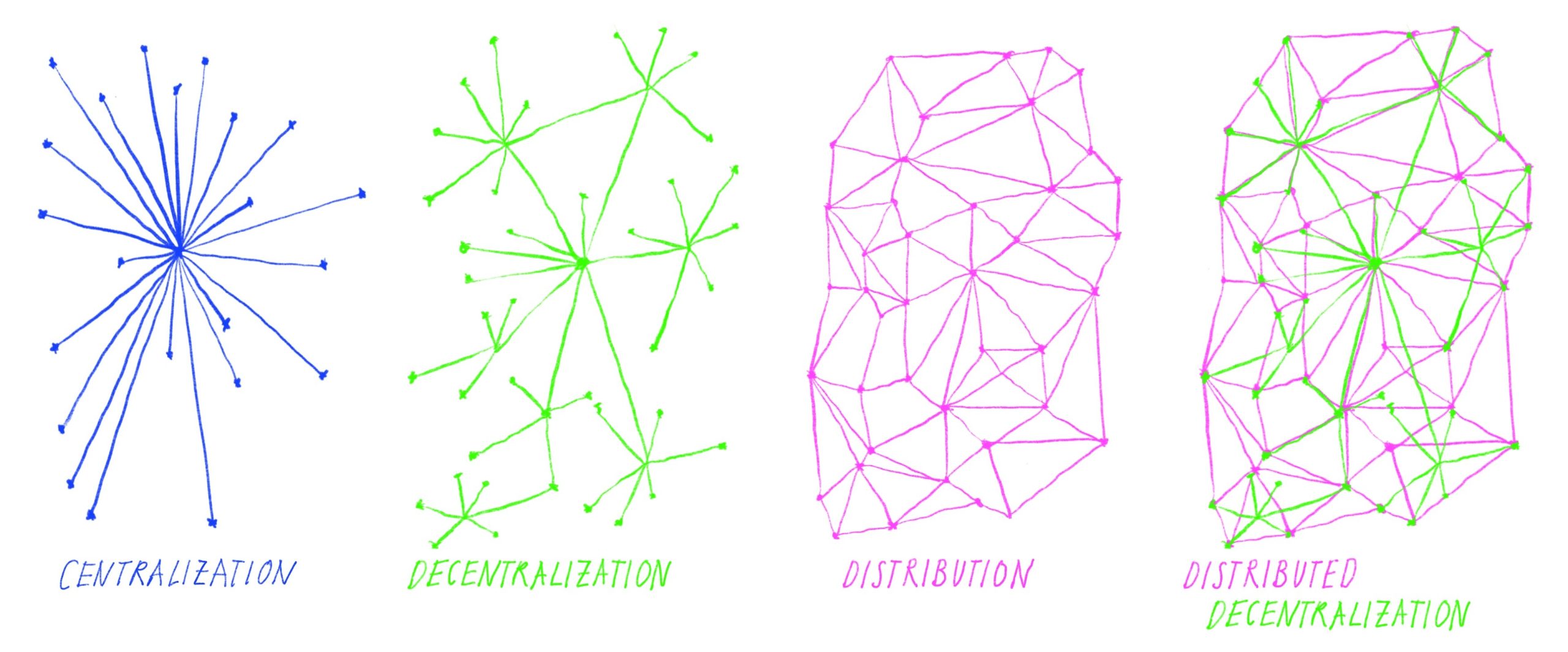
While industry leaders have begun viewing renewable energy as a defensive hedge against volatility, a new breed of CEO is taking a more aggressive stance: they are turning their facilities into virtual power plants. The traditional model of energy procurement—viewing electricity as a utility bill to be minimized—is becoming obsolete. The new frontier of industrial profitability lies in energy arbitrage.
Moving from Consumption to Production
The previous paradigm focused on “energy efficiency” (doing more with less). The new paradigm is “energy flexibility” (doing more with what you produce). When an enterprise installs onsite microgrids, it effectively creates a production asset that sits alongside its primary manufacturing machinery. By integrating sophisticated battery energy storage systems (BESS), the organization stops being a passive consumer of grid electricity and becomes an active participant in the energy market.
This shift allows firms to employ temporal arbitrage. By storing energy generated during low-demand, low-cost periods and discharging it during peak load or high-grid-price events, companies can recoup the capital expenditure of their infrastructure faster than by simply offsetting monthly utility bills. When integrated with AI-driven load balancing, these systems can monetize demand-response programs, turning a cost center into a secondary revenue stream.
The “Industrial Prosumer” Framework
The transition to an “industrial prosumer” model requires a shift in how operational managers think about facility uptime. In the past, the grid was assumed to be infinite and reliable. Today, grid instability is a Tier-1 operational risk. By decoupling from the main grid through captive generation, you aren’t just saving money on kWH; you are buying insurance against outages.
Consider the competitive advantage of a facility that remains operational while the surrounding industrial park faces rolling blackouts. Your unit costs remain stable during price spikes, and your supply chain commitments are met while competitors face force majeure events. This is not just sustainability; it is a profound market-share acquisition strategy.
Building the Infrastructure of Autonomy
To succeed, leadership must move beyond the “sustainability department” silo. Energy strategy needs to be integrated into the finance and operations departments. This includes:
- Asset-Backed Energy Accounting: Treating onsite solar and storage as capital assets with their own depreciation and revenue-generating schedules, rather than operating expenses.
- Dynamic Load Orchestration: Utilizing IoT data to shift non-critical industrial processes to align with peak production intervals of your onsite generation.
- Regulatory Navigation: Identifying local market “virtual power plant” incentives that compensate companies for providing grid services during high-demand events.
The Contrarian View: Energy Independence as Strategy
Critics often argue that renewable infrastructure is too capital intensive. However, this view assumes that energy prices will remain stable over the next two decades—a dangerous assumption in a world of geopolitical volatility and aging power grids. The risk is no longer in the cost of the hardware; the risk is in the opportunity cost of remaining dependent on a failing centralized system. Companies that build their own power infrastructure today are effectively “shorting” the long-term volatility of global energy markets.
At The BossMind, we believe the next wave of industrial giants will not be defined by their product output alone, but by their capability to manage energy as a core industrial asset. It is time to treat your facility not just as a factory, but as a power hub. For more deep dives into the mechanics of industrial transformation, continue following The BossMind series on systems-thinking and operational resilience.