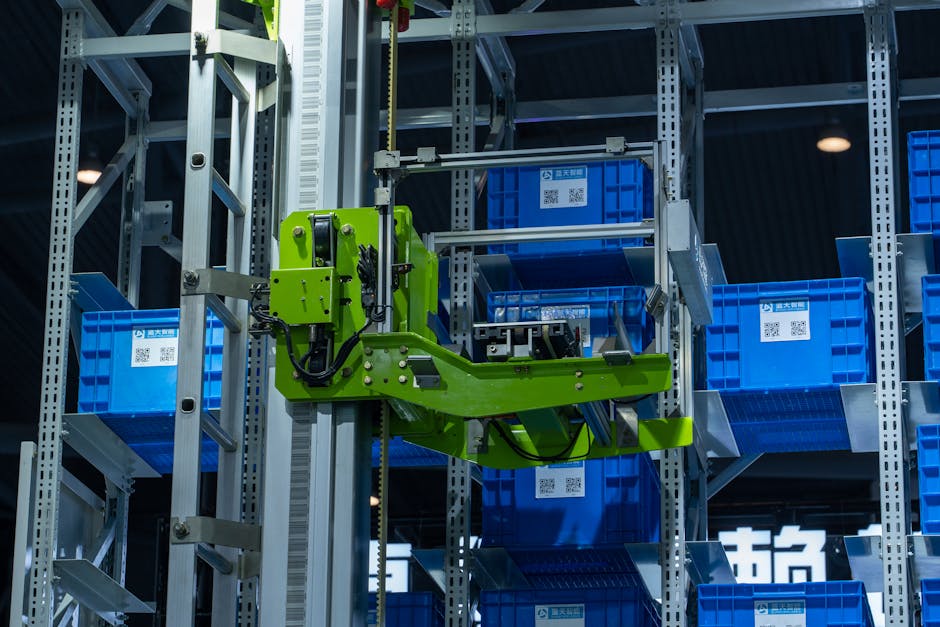
In the pursuit of operational excellence, we have become obsessed with the friction-free organization. Guided by the principles of systemic power and algorithmic execution, modern leaders view every manual process as a target for elimination. But there is a hidden danger in this relentless drive for optimization: when you remove all friction, you inadvertently remove the very constraints that foster innovation and human judgment.
The Trap of Hyper-Optimization
We have successfully moved from mechanical logic to cognitive automation, offloading data-heavy tasks to intelligent agents. Yet, there is a mounting cost to this transition. By automating the “messy” parts of business—the customer discovery calls, the nuanced negotiation, the brainstorming sessions—we are training our teams to operate in a vacuum of efficiency. When a system is perfectly optimized, it becomes fragile. It relies on the consistency of the input data, but it loses the ability to pivot when the market shifts in ways the algorithm didn’t predict.
Friction as a Diagnostic Tool
Historically, friction was not just a hurdle to be cleared; it was a diagnostic tool. A manual process that takes time forces a leader to question the *why* of the task. Automation, conversely, encourages us to perpetuate bad processes at scale. If you automate a decision-making process that is fundamentally flawed, you aren’t just speeding up the output; you are embedding a systemic error into the bedrock of your company. True strategic advantage comes from identifying which processes should remain manual to preserve the cognitive rigor of your high-value employees.
Strategic Manualism
The next generation of industry leaders will not be defined by who has the most automated tech stack, but by who practices ‘Strategic Manualism.’ This is the intentional retention of human touchpoints in the value chain. By forcing certain processes to remain un-automated, you preserve the ‘human-in-the-loop’ advantage—the ability to apply empathy, contextual ethics, and original creative insight to problems that machines are fundamentally ill-equipped to handle.
Reclaiming Intellectual Sovereignty
To avoid becoming a hostage to your own infrastructure, apply the following hierarchy of operations:
Automate the Commodity: Data processing, scheduling, and repetitive compliance tasks are the domain of agents.
Augment the Core: Use software to enhance your team’s ability to analyze, not to make the final call.
Protect the Craft: Identify your unique organizational value proposition—the specific intersection of culture and strategy—and strictly limit the extent to which algorithms touch those functions.
Efficiency is the floor, but if you treat it as the ceiling, you will find yourself running a perfectly functioning, yet entirely irrelevant, business. The goal is not to eliminate human dependency; it is to maximize the utility of human intelligence. Stop trying to automate your way to the top and start asking which frictions are actually your competitive moat.