The Integrity Debt: Why Moral Bankruptcy Is the Ultimate Business Risk
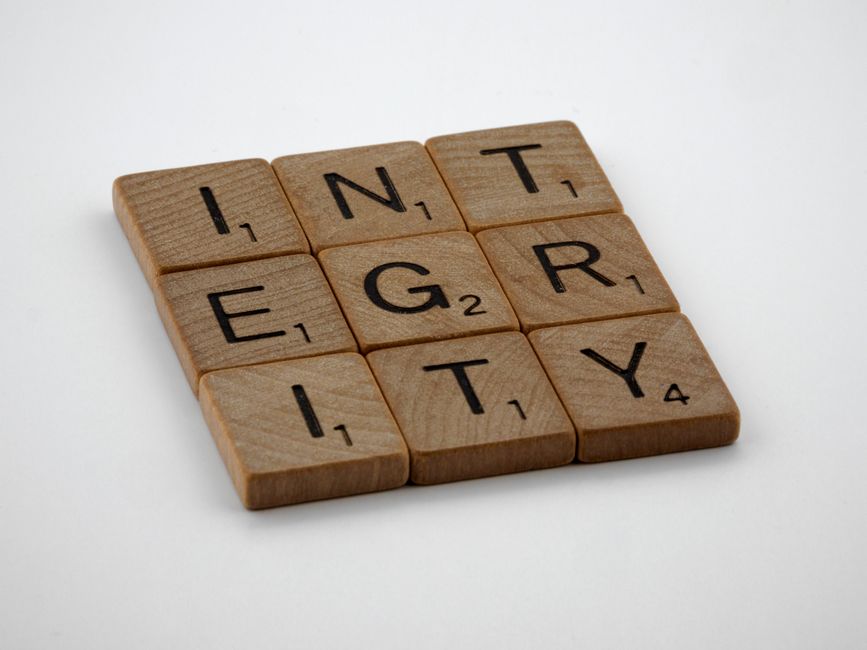
In the high-velocity world of modern leadership, we often talk about ‘technical debt’—the cost of choosing easy, fast code over sustainable architecture. But there is a far more dangerous, rarely audited liability on your balance sheet: Integrity Debt. While technical debt slows your servers, integrity debt bankrupts your brand, talent density, and long-term viability.
The Myth of the ‘Growth-at-All-Costs’ Shield
Many operators believe that if they deliver exponential results, their ethical lapses will be forgiven by the market. This is a fatal misconception. In an era of radical transparency, the ‘move fast and break things’ mantra has become a liability. When you optimize for growth while disregarding the externalities of your operations, you are not just building a product; you are accruing interest on a moral loan that eventually comes due. When it does, no amount of revenue can bridge the gap in trust.
The Audit: Assessing Your Integrity Debt
To lead effectively, you must treat your organizational values with the same rigor as your financial statements. Most leaders avoid ‘Integrity Audits’ because they fear the results might necessitate slowing down. However, the most successful, durable companies use these audits as a competitive advantage. Consider these three metrics of moral health:
- The Talent Attrition Test: Are your most ethical, high-performing employees choosing to leave? Often, your best people are the first to detect an ethical misalignment. Their exit is a leading indicator of a culture that prioritizes output over integrity.
- The Transparency Ratio: If every internal communication regarding your latest project were made public today, would it hold up under scrutiny? If the answer is no, your current strategy is already in a state of insolvency.
- The Resilience of the ‘No’: Can your middle management say ‘no’ to a profitable, high-speed initiative that violates your core principles? If the only person authorized to stop a project is the CEO, you have a structural failure in your risk management.
Transforming Ethics from a Hurdle to a Moat
The contrarian take here is simple: Ethics is not a restriction; it is an architectural moat. When you define firm boundaries—what you refuse to do—you eliminate the paradox of choice. You stop wasting cognitive energy on ‘grey area’ decisions and channel that focus into finding creative, sustainable paths that others, blinded by short-term gain, refuse to look for.
By intentionally choosing the ‘harder, right’ path, you differentiate your organization in a crowded market. Customers and partners are increasingly seeking safe harbors in an unpredictable digital landscape. When your brand represents a baseline of moral reliability, you gain a ‘trust premium’ that is virtually impossible for competitors to replicate through marketing or aggressive acquisition.
The Bottom Line
Stop viewing ethics as a compliance burden meant to be managed by a HR department. Your moral compass is your primary strategic tool. In the long run, the most successful companies are not those that moved the fastest, but those that remained coherent, consistent, and undeniably aligned with their stated values. You cannot scale on a foundation of compromise; eventually, the weight of the moral debt will crush the very infrastructure you worked so hard to build.
At The BossMind, we know that true operational excellence is a reflection of character, not just capability. Audit your debt today, or pay the price tomorrow.