Human-In-The-Loop Brain-Computer Interfaces: Navigating the Neuroethical Frontier
— by
Steven Haynes
Introduction
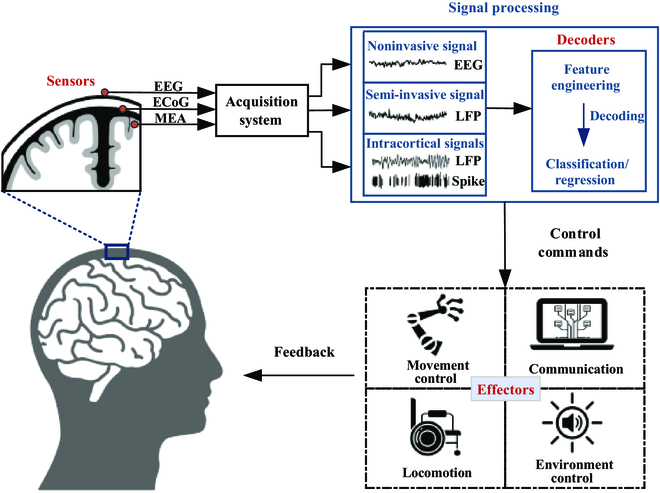
We are standing at the precipice of a neurological revolution. Brain-Computer Interfaces (BCIs)—systems that translate neural activity into commands for external hardware—have moved from the realm of science fiction into clinical reality. While early iterations focused on restoring lost motor function, the next evolution is the Human-In-The-Loop (HITL) BCI. Unlike automated algorithms that operate independently, HITL systems maintain the human user as a central, conscious decision-maker within the control circuit.
This integration is not just a technical milestone; it is a profound philosophical shift. As we grant machines direct access to the seat of human cognition, we must grapple with the emerging field of neuroethics. How do we ensure agency, privacy, and identity when the boundary between “thought” and “machine output” begins to blur? This article explores how to responsibly implement HITL-BCI systems and why maintaining human oversight is the cornerstone of ethical neurotechnology.
Key Concepts
To understand the stakes, we must first define the core components of the current BCI landscape:
Brain-Computer Interface (BCI): A communication pathway between the brain’s electrical activity and an external device, such as a robotic limb, cursor, or communication software.
Human-In-The-Loop (HITL): A design paradigm where the user provides continuous input, feedback, and validation. The system suggests or assists, but the human remains the primary authority for final execution.
Neuroethics: The study of ethical, legal, and social implications of neuroscience. It addresses concerns like cognitive liberty, mental privacy, and the potential for “brain-hacking.”
In a fully autonomous BCI, an AI might interpret a neural spike and execute an action without the user’s conscious secondary approval. In an HITL model, the system might interpret the intent to “reach for a glass,” but it waits for a confirmation trigger from the user before executing the movement. This “check-and-balance” mechanism is vital for preventing errors and maintaining a sense of self-agency.
Step-by-Step Guide: Implementing Ethical HITL Systems
Developing or deploying HITL-BCI systems requires a rigorous approach to safeguard the user’s autonomy. Follow these steps to prioritize ethics in the development lifecycle:
Establish Neural Consent Protocols: Before any data is processed, users must provide informed consent regarding what “mental states” are being recorded. Distinguish between actionable intent (moving a cursor) and background neural noise (emotional state or subconscious thoughts).
Implement “Human Override” Fail-safes: Every automated assist must have a hard-wired or software-based override. The system should be programmed to return to a “neutral” state if the user’s neural pattern fluctuates beyond a predetermined “stress” or “confusion” threshold.
Define Data Sovereignty: Neural data is the most intimate information a person possesses. Implement end-to-end encryption and local-only processing. Ensure that raw brain data is not stored in cloud environments where it could be subject to unauthorized analysis or surveillance.
Calibrate for Agency, Not Just Accuracy: Often, developers optimize for speed. In HITL, optimize for agency. If a system is too “smart,” the user may feel like a passenger in their own body. Ensure the latency is low enough that the user feels they are the primary driver of the action.
Continuous Ethical Auditing: Regularly review the BCI’s decision-making logs. Does the machine perform actions the user did not intend? Use these audits to refine the feedback loop between the human and the algorithm.
Examples and Case Studies
The practical application of HITL-BCI is already transforming lives, particularly in neuro-rehabilitation and neuro-prosthetics.
Case Study: Robotic Prosthetics in Spinal Cord Injury. Researchers have developed exoskeletons where the user’s motor cortex intent initiates movement, but the robotic joints use computer vision to navigate obstacles. The human provides the “go” signal, while the machine handles the “how.” This HITL approach has been shown to decrease phantom limb pain and increase the user’s psychological integration of the prosthetic as part of their “body schema.”
Case Study: Adaptive Deep Brain Stimulation (aDBS). For patients with Parkinson’s disease, aDBS systems monitor neural signatures of tremors. Instead of constant stimulation, the device provides a burst of stimulation only when the neural signal indicates an impending tremor. By keeping the user in the loop via sensory feedback, patients report feeling more “in control” of their bodies compared to traditional, “always-on” stimulation.
Ignoring “Neural Drift”: Brain signals change over time due to neuroplasticity. If a system is not recalibrated, it may start misinterpreting user intent, leading to frustration or dangerous errors.
Over-Reliance on Predictive Algorithms: If an AI tries to “guess” the user’s next move too aggressively, it can lead to agency erosion, where the user feels alienated from their own actions.
Neglecting Mental Privacy: Assuming that because the data is “just electrical signals,” it is anonymous. Neural patterns are effectively unique digital fingerprints. Failing to protect this data is a violation of the most fundamental aspect of human privacy.
Lack of Transparency: Using “black-box” AI models where even the developers cannot explain why the system chose a specific action. This is unacceptable in medical or assistive technology.
Advanced Tips
To truly master the integration of HITL-BCI, developers and researchers should focus on Bidirectional Feedback Loops. The best systems do not just read from the brain; they also feed information back to the brain (e.g., through haptic feedback or direct cortical stimulation). This allows the user to “feel” the state of the machine, creating a closed-loop system that mimics the natural nervous system.
Furthermore, consider the concept of Cognitive Liberty. As articulated by legal scholars, individuals should have the right to control their own mental processes. When designing HITL systems, always ask: Does this technology enhance the user’s ability to express their will, or does it impose an external will upon them?
“Technology should be a bridge to human capability, not a replacement for the human spirit. In the era of BCI, we must ensure that the machine is a tool in the hand—or the mind—of the master, not the other way around.”
Conclusion
The integration of Human-In-The-Loop BCIs offers a future where human limitations—whether caused by injury or neurological conditions—can be bypassed with precision and grace. However, this power comes with the heavy responsibility of protecting the sanctity of the human mind.
By prioritizing user agency, investing in robust privacy infrastructure, and maintaining a clear boundary between human intent and machine execution, we can harness the benefits of BCI without compromising the ethical foundations of our society. The goal is not just to build a faster or smarter machine, but to build one that respects the autonomy of the human it serves.
For further reading and regulatory guidelines on the ethics of neurotechnology, consult the following authoritative resources:




Leave a Reply