Human-in-the-Loop Neuroethics: Engineering Agency in BCIs
— by
Steven Haynes
Contents
1. Introduction: Defining the intersection of AI, neurotechnology, and human agency.
2. Key Concepts: Understanding Human-in-the-Loop (HITL) within neurotechnological systems (BCIs, closed-loop stimulation).
3. The Neuroethical Framework: Why HITL is the “moral circuit breaker” for brain-computer interfaces.
4. Step-by-Step Guide: Designing a robust HITL neuro-system.
5. Case Studies: Applications in prosthetic control and clinical mood regulation.
6. Common Mistakes: The dangers of “automation bias” and loss of self-efficacy.
7. Advanced Tips: Implementing real-time feedback loops and dynamic thresholds.
8. Conclusion: The future of neuro-governance.
***
Human-In-The-Loop Mechanism Design for Neuroethics: Engineering Agency into Innovation
Introduction
As we stand on the precipice of a neurotechnological revolution, the integration of Brain-Computer Interfaces (BCIs) and closed-loop neural stimulation systems is moving from clinical trials into the mainstream. While these technologies promise to restore function and augment human capability, they introduce a profound challenge: how do we maintain human agency when the machine begins to “think” or “adjust” our neural activity?
The Human-in-the-Loop (HITL) mechanism is not merely an engineering requirement; it is a neuroethical imperative. It acts as a bridge between algorithmic efficiency and human autonomy. By designing systems that require active human validation, we prevent the erosion of the “self” in an age of automated neuro-modulation.
Key Concepts
In the context of neuroethics, a Human-in-the-Loop system is a control architecture where a machine—typically an AI-driven neural stimulator or a decoding BCI—functions in partnership with the human user. Unlike “Human-on-the-Loop” systems, where the user merely supervises, HITL requires the user to be an active participant in the decision-making process.
Neural Agency: The capacity for a user to recognize their own intentions versus the machine’s interventions. In high-stakes neuro-design, the system must differentiate between the user’s intent and the algorithm’s optimization.
Feedback Loops: The bidirectional flow of information. The BCI reads neural signals, and the system provides sensory or cognitive feedback to the user, allowing them to adjust their mental state or intent in real-time.
Step-by-Step Guide: Designing a Robust HITL Neuro-System
Define the Decision Thresholds: Identify which actions have high ethical stakes (e.g., mood regulation, motor control, memory recall). These functions must mandate human input before execution.
Implement Transparent Decoding: The AI decoder must be interpretable. If the system translates a neural pattern into a command, the user should be able to see—in real-time—what the machine “thinks” they are trying to do.
Establish a “Kill Switch” for Neural Stimulation: Users must have an intuitive, low-latency method to abort or dampen automated neural stimulation if it conflicts with their internal state.
Calibrate for Adaptive Baseline: Since neural activity fluctuates, the system must undergo periodic “check-ins” where the user manually recalibrates the AI to their current cognitive baseline.
Audit Logging: Maintain a secure, privacy-preserving log of where the machine intervened and where the user intervened. This is essential for both medical accountability and long-term ethical analysis.
Examples and Case Studies
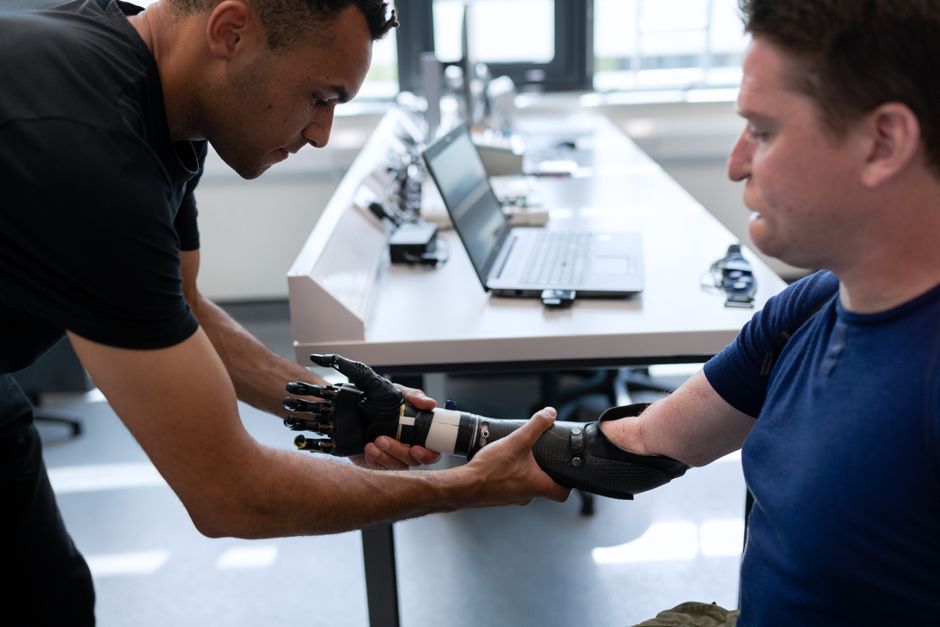
Prosthetic Control: Consider a robotic limb controlled by a motor cortex BCI. If the AI detects an intended movement, the HITL design requires the system to “propose” the movement to the user. Only when the user’s supplementary motor area confirms the intent does the limb execute the action. This prevents “phantom movements” caused by algorithmic misinterpretation.
Closed-Loop Deep Brain Stimulation (DBS) for Depression: In advanced DBS systems, the device monitors biomarkers for depressive episodes and initiates stimulation. A HITL approach incorporates a mobile interface where the user confirms if they are feeling a genuine shift in mood or if the stimulation is causing agitation. This allows the system to learn the difference between a “clinical benefit” and an “artificial emotional spike.”
Common Mistakes
Automation Bias: Users may become overly reliant on the system, deferring to the machine’s judgment even when it contradicts their internal sense of self. This leads to a gradual atrophy of intentionality.
Opaque Latency: If the delay between neural activity and system response is too long, the user loses the sense of ownership over the action, leading to alienation from the technology.
Ignoring Cognitive Load: Designing a system that requires too much manual input can overwhelm the user, essentially rendering the BCI useless. The “loop” must be designed to minimize mental fatigue while maximizing agency.
Advanced Tips
To truly elevate a neuro-system, consider implementing Dynamic Thresholding. Instead of static triggers, the system should learn the user’s patterns and adjust the “confirmation requirement” based on the context. For instance, during high-stress scenarios, the system might require more robust verification before executing an autonomous change.
Furthermore, utilize Explainable AI (XAI) interfaces. If the neural stimulator changes its parameters, the user should receive a non-intrusive notification (e.g., haptic feedback or a visual cue) explaining why the adjustment occurred. Transparency is the bedrock of trust in neurotechnology.
“The goal of neuro-engineering is not to replace the human mind with a more efficient algorithm, but to extend the reach of the human will. By embedding the user into the control loop, we ensure that the machine remains a tool, not a master.”
Conclusion
Designing Human-in-the-Loop mechanisms for neuroethics is an exercise in balancing technical efficacy with the preservation of human dignity. By prioritizing transparency, user-controlled thresholds, and active participation, engineers can build neuro-systems that empower rather than automate the user.
As these technologies continue to evolve, the distinction between “user” and “system” will blur. It is our responsibility to ensure that, no matter how sophisticated the interface becomes, the human agent remains the final authority on their own neural landscape. Through thoughtful design, we can ensure that the future of brain-machine integration is not just functional, but profoundly ethical.


Leave a Reply