Decentralized Identity Standards: The Architecture of Autonomy
— by
Steven Haynes
Contents
1. Introduction: The crisis of trust in digital identity and the shift toward Self-Sovereign Identity (SSI).
2. Key Concepts: Understanding Decentralized Identifiers (DIDs), Verifiable Credentials (VCs), and the role of Meta-Learning in governance.
3. Step-by-Step Guide: Implementing a decentralized identity framework within a ledger-based ecosystem.
4. Examples: Real-world use cases in supply chain authentication and decentralized finance (DeFi).
5. Common Mistakes: The pitfalls of centralized dependencies and poor key management.
6. Advanced Tips: Enhancing interoperability and zero-knowledge proofs.
7. Conclusion: The future trajectory of autonomous digital identity.
***
The Architecture of Autonomy: Meta-Learning Decentralized Identity Standards
Introduction
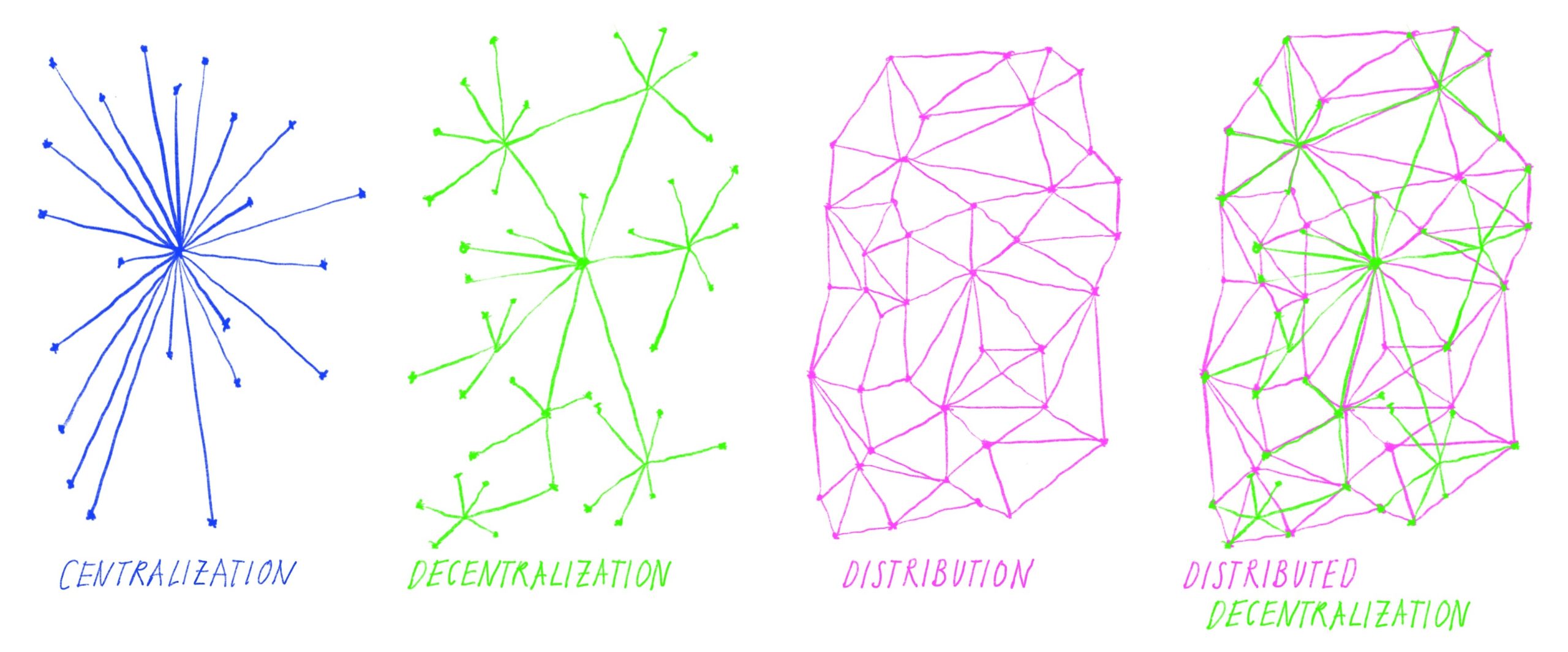
For decades, digital identity has been tethered to siloed databases controlled by centralized authorities. When you log in with a social media account or verify your identity through a corporate portal, you are essentially renting your digital existence from a third party. This model is fragile, privacy-invasive, and fundamentally broken. As we move toward a Web3 future, the paradigm is shifting toward Self-Sovereign Identity (SSI)—a framework where individuals possess and control their own digital identifiers.
However, simply owning an identifier is not enough. To create a cohesive, global standard for Decentralized Identifiers (DIDs) on distributed ledgers, we must employ “meta-learning” strategies. This refers to the ability for identity protocols to evolve, adapt, and learn from cross-chain interactions without requiring a central governing body to update the rules manually. This article explores how we can standardize decentralized identity to ensure it remains secure, interoperable, and user-centric.
Key Concepts
To understand the meta-learning approach to decentralized identity, we must define the core pillars of the Distributed Ledger Technology (DLT) identity stack:
Decentralized Identifiers (DIDs): Unlike URLs that point to a location on a server, DIDs are URI-based identifiers that point to a cryptographic document on a ledger. They are permanent, verifiable, and entirely under user control.
Verifiable Credentials (VCs): These are digital versions of physical documents (like a driver’s license or diploma). They allow a user to prove a claim (e.g., “I am over 21”) without revealing unnecessary data (e.g., your full birth date or home address).
Meta-Learning in Governance: In an identity context, this involves algorithmic governance. By using smart contracts that monitor network performance, security threats, and interoperability friction, the identity standard itself can “learn” which cryptographic curves or verification methods are most efficient, self-updating the protocol parameters across the ledger.
Step-by-Step Guide: Deploying a Decentralized Identity Framework
Building a decentralized identity system requires a structured approach to ensure that the user remains the anchor of the ecosystem. Follow these steps to implement a robust decentralized identity solution.
Establish the DID Method: Select or build a DID method (a specific implementation for a blockchain) that defines how DIDs are created, resolved, and deactivated. Ensure it is compliant with W3C standards to guarantee baseline interoperability.
Deploy the Verifiable Data Registry: This is the DLT layer where the DID documents (containing public keys) are stored. Use a permissionless or permissioned blockchain that provides high uptime and decentralized consensus.
Implement an Identity Wallet: Develop an interface for users to store their private keys and VCs. This wallet must allow users to sign requests to prove ownership of their DID without revealing their secret keys.
Configure Zero-Knowledge Proof (ZKP) Circuits: Integrate ZKPs into the protocol. This allows the identity system to verify the validity of a credential without the verifier ever seeing the credential data itself.
Enable Meta-Governance: Integrate a decentralized autonomous organization (DAO) or an algorithmic feedback loop that allows the identity standard to adjust its security parameters based on real-time threat analysis.
Examples and Real-World Applications
The application of decentralized identity extends far beyond simple login credentials. It is reshaping entire industries by removing the “middleman” from verification processes.
Supply Chain Provenance: In global manufacturing, components often pass through dozens of hands. By assigning a DID to each component, manufacturers can create a verifiable chain of custody. If a component fails, the identity standard allows for instant auditing of who held the item and what certifications it possessed, without needing a central database to track every movement.
DeFi Credit Scoring: Traditionally, credit scores are held by bureaus that profit from your data. Using VCs, a user can aggregate their financial history from various protocols into a “reputation credential.” They can then prove to a lending protocol that they have a high credit score without ever disclosing their bank balance or transaction history, effectively enabling anonymous yet trustworthy borrowing.
Common Mistakes
Even with the best intentions, developers often fall into traps that undermine the “decentralized” nature of these systems.
Hardcoding Trust Anchors: Embedding a specific, centralized server as the “source of truth” for identity verification defeats the purpose of DLT. Always ensure the verification logic lives on-chain or is handled via peer-to-peer cryptographic proofs.
Ignoring Key Recovery: In a world without “forgot password” buttons, private key loss is catastrophic. Developers must build social recovery mechanisms or multi-signature schemes into the identity wallet architecture.
Poor Interoperability Design: Creating a DID method that only works on a single blockchain creates a “walled garden.” Always strive for cross-ledger resolution, allowing your DID to be recognized by services on different chains.
Advanced Tips
To move beyond the basics, consider these strategies for a more resilient system:
Implement Multi-Factor Cryptography: Don’t rely on a single cryptographic signature. Use multi-signature schemes where a user’s DID control is distributed across their mobile device, a hardware security module, and a social recovery service. This ensures that even if one device is compromised, the identity remains secure.
Adopt Progressive Trust Models: Not all identity claims are equal. A library card requires less verification than a government-issued passport. Implement a tiered trust model within your protocol where the “weight” of a credential is adjusted based on the issuer’s reputation, which is dynamically tracked by the ledger.
Optimize for Privacy-Preserving Analytics: Use “Blind Signatures” to allow verifiers to confirm that a credential was issued by a trusted party without the verifier being able to link the credential to the user’s other online activities. This maintains total user privacy while satisfying regulatory “Know Your Customer” (KYC) requirements.
Conclusion
The transition to decentralized identity is not merely a technological upgrade—it is a fundamental restructuring of the internet’s power dynamics. By leveraging meta-learning standards within distributed ledgers, we can create identity systems that are not only secure and private but also capable of evolving alongside the complexities of the digital world.
The goal of a decentralized identity standard is to make trust a commodity that belongs to the user, not a service provided by a corporation. By focusing on interoperability, zero-knowledge privacy, and algorithmic governance, we lay the foundation for a more sovereign and equitable digital future.
As you begin your journey into decentralized identity, remember that the most successful systems are those that prioritize user agency. Build with the assumption that the user will move between platforms, demand privacy, and require the ability to recover their digital life if things go wrong. The technology is ready; the challenge now lies in the implementation.


Leave a Reply