
Contents
1. Introduction: Defining the challenge of decentralized identity (DID) in energy grids and the emergence of zero-shot learning (ZSL) as a catalyst for scalability.
2. Key Concepts: Understanding DID, ZSL, and the synergy between cryptographic verification and machine learning inference.
3. Step-by-Step Guide: How to implement a Zero-Shot Decentralized Identity framework for energy assets.
4. Real-World Applications: Use cases in V2G (Vehicle-to-Grid) and microgrid peer-to-peer energy trading.
5. Common Mistakes: Addressing security vulnerabilities, latency, and data drift.
6. Advanced Tips: Optimizing model weights and decentralizing the inference process.
7. Conclusion: The future of autonomous, identity-agnostic energy systems.
***
Zero-Shot Decentralized Identity: Architecting Trust in Autonomous Energy Grids
Introduction
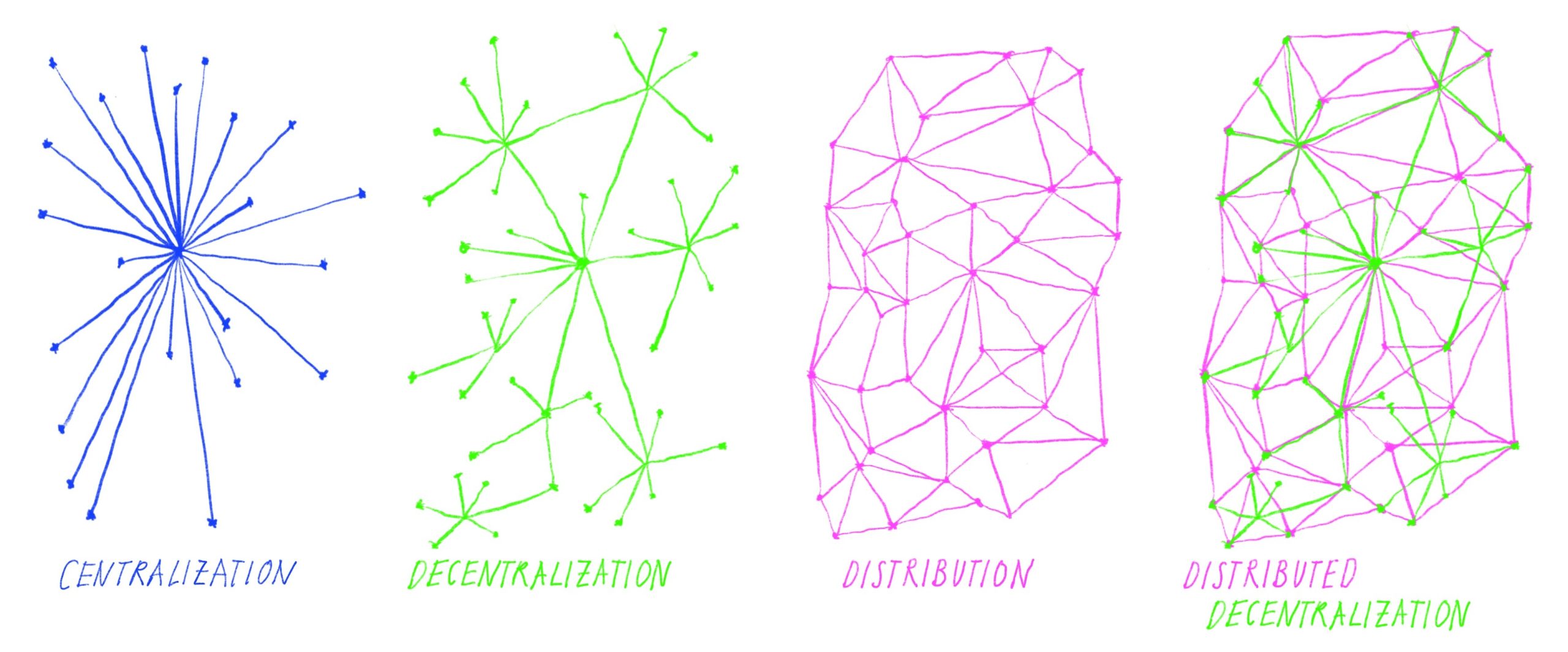
The transition toward decentralized energy systems—characterized by microgrids, distributed generation, and prosumer-led markets—has created a paradox: how do you foster trust between millions of autonomous assets without a central clearinghouse? Traditional identity management systems are too rigid for the dynamic nature of energy grids, where devices frequently plug in, trade, and disconnect.
Zero-Shot Decentralized Identity (ZSDI) represents the next evolution in this space. By combining the cryptographic rigor of Decentralized Identifiers (DIDs) with the predictive agility of zero-shot machine learning, we can authenticate energy assets and validate their intent without prior historical data. This approach is not merely an optimization; it is a fundamental requirement for a secure, autonomous, and scalable energy transition.
Key Concepts
To understand ZSDI, one must look at the intersection of two distinct technological domains:
Decentralized Identity (DID): Unlike traditional usernames or centralized certificates, DIDs are W3C-compliant identifiers that allow for self-sovereign control. An energy device, such as a smart EV charger or a residential battery, holds its own private keys, allowing it to prove its identity and authorization status without relying on a central authority.
Zero-Shot Learning (ZSL): In the context of energy, ZSL allows an algorithm to recognize or validate a device’s behavior or identity profile even if it has never “seen” that specific device or scenario before. By leveraging semantic relationships—mapping the device’s technical specifications to a high-dimensional feature space—the system can make a “zero-shot” inference about whether a device is authorized to inject power into the grid.
The synergy here is powerful: DIDs provide the proof of identity, while zero-shot algorithms provide the intelligence of intent. Together, they allow an energy grid to interact with novel, previously unknown assets in real-time while maintaining strict security protocols.
Step-by-Step Guide: Implementing a ZSDI Framework
Implementing a ZSDI system requires a layered approach that bridges cryptographic verification with behavioral intelligence.
- Establish the DID Registry: Deploy a lightweight, blockchain-agnostic ledger to store DID Documents. These documents contain public keys and service endpoints, ensuring that any asset can be verified as a legitimate grid participant.
- Define Semantic Attribute Mapping: Create a standardized schema that describes device classes (e.g., “Solar Inverter,” “EV Charger,” “Home Storage”). This schema acts as the “auxiliary information” that the zero-shot model uses to categorize and validate new assets.
- Deploy the Inference Engine: Integrate a zero-shot model at the edge (such as within a smart meter or substation controller). This model should be trained on feature vectors of known device behaviors so it can infer the legitimacy of new, unseen devices based on their initial handshake protocols.
- Execute Cryptographic Handshake: When a new device connects, it presents its DID. The system performs a challenge-response verification. Simultaneously, the zero-shot engine analyzes the device’s initial communication pattern to ensure it matches the expected semantic profile of that device class.
- Automated Authorization: If the DID is cryptographically verified and the zero-shot inference confirms the device’s behavior aligns with its declared identity, the grid controller grants access to the P2P energy market without manual intervention.
Examples or Case Studies
Vehicle-to-Grid (V2G) Interoperability: In a city-wide V2G implementation, thousands of EVs connect to public charging stations daily. Most of these cars may never have visited a specific charging point before. Using ZSDI, the charging station can verify the car’s identity via its DID and use zero-shot inference to confirm that the battery’s power discharge profile is consistent with the vehicle’s model specifications, preventing malicious “spoofed” energy injections.
Peer-to-Peer (P2P) Microgrid Trading: A rural community microgrid allows residents to sell excess solar energy to neighbors. When a new home battery is installed, the ZSDI protocol allows it to begin trading immediately. The system recognizes the battery’s “semantic fingerprint,” authenticates it against the ledger, and enables trading without the need for a week-long manual commissioning process by a utility provider.
“The ultimate goal of decentralized identity in energy is to turn the grid into a plug-and-play ecosystem where security is baked into the protocol, not added on as an expensive, slow-moving administrative layer.”
Common Mistakes
- Ignoring Data Drift: Zero-shot models can suffer from performance degradation if the “semantic space” of energy assets changes rapidly. Ensure the model is retrained periodically on updated device specifications.
- Over-Reliance on Single-Factor Verification: Never rely solely on the zero-shot inference. Always pair it with cryptographic DID verification. The machine learning component should be treated as an authorization heuristic, not a replacement for digital signatures.
- Latency Bottlenecks: Running complex inference engines at the grid edge can lead to latency. Use quantized models or optimized edge hardware to ensure the handshake process occurs in milliseconds, not seconds.
Advanced Tips
For those looking to push the boundaries of ZSDI, consider these advanced strategies:
Federated Learning for Model Updates: Instead of retraining your zero-shot model on a central server, use federated learning to update the model across multiple edge nodes. This preserves privacy while ensuring the model remains robust against evolving threats or new device types appearing in the grid.
Zero-Knowledge Proofs (ZKPs): Integrate ZKPs into your DID framework. This allows a device to prove it has the authority to trade energy without revealing its exact owner, location, or private device ID. It provides a layer of privacy that is critical for consumer adoption in energy markets.
Dynamic Trust Scores: Rather than a binary “authorized/unauthorized” status, implement a dynamic trust score. If a device’s behavior deviates slightly from its initial zero-shot profile, the system can automatically reduce its trading limit or require a higher level of cryptographic re-authentication, creating a self-healing security posture.
Conclusion
The deployment of Zero-Shot Decentralized Identity marks a shift from reactive security to proactive, autonomous grid management. By decoupling the identity of energy assets from rigid, centralized databases and enabling them to prove their legitimacy through semantic intelligence, we can finally achieve the vision of a truly democratized energy market.
As grid complexity increases, the ability to integrate new assets with zero friction and high security will become the primary differentiator for successful energy infrastructure. By focusing on the integration of DIDs and zero-shot learning today, stakeholders can ensure their systems remain relevant, secure, and ready for the decentralized future.




Leave a Reply