The Autonomy-First Morning: Reclaim Your Day and Motivation
— by
Steven Haynes
Outline
Introduction: The tyranny of the “productive” morning routine.
Key Concepts: Defining “Autonomy-First” mornings and the psychology of intrinsic motivation.
Step-by-Step Guide: How to restructure your wake-up sequence for personal fulfillment.
Examples: Real-world scenarios (The Reader, The Creative, The Mover).
Common Mistakes: The trap of “productive procrastination” and lack of boundaries.
Advanced Tips: Managing energy over time and the “Low-Friction” setup.
Conclusion: Reclaiming ownership of your day.
The Autonomy-First Morning: How Starting with What You Want Changes Everything
Introduction
We are living in the golden age of “optimized” mornings. If you browse social media, you are bombarded with rigid templates: ice baths, 5:00 AM wake-up calls, journaling prompts, and high-intensity interval training. While these habits have their merits, they often miss the most critical element of a sustainable life: agency.
What if the most productive thing you could do for your mental health and long-term output wasn’t a grueling chore, but rather the thing you actually want to do? An autonomy-first morning is the practice of prioritizing a self-chosen activity the moment you wake up. By shifting your first hour from a list of “shoulds” to a period of “wants,” you change your relationship with the day from one of servitude to one of ownership.
Key Concepts
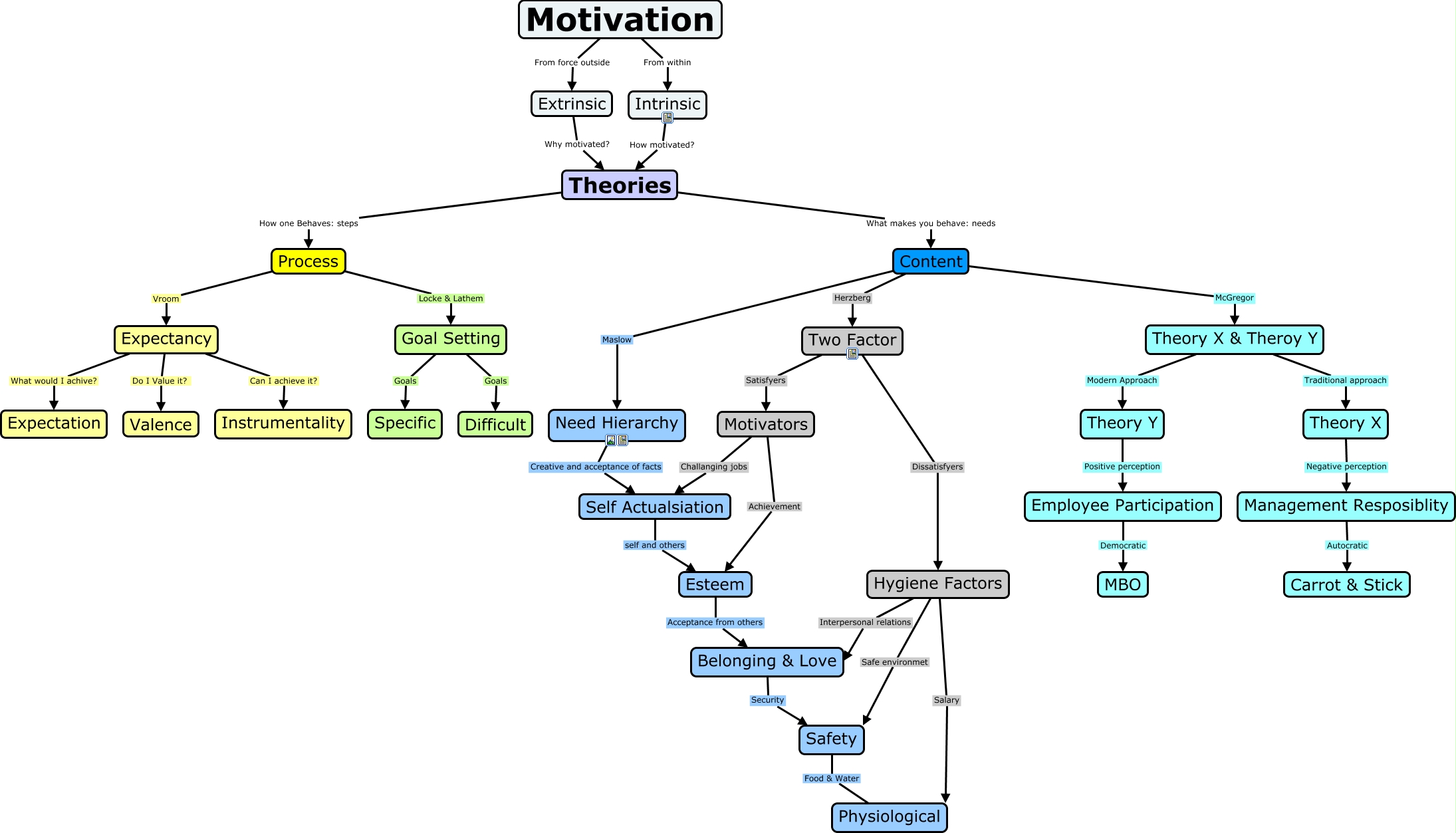
The core philosophy of an autonomy-first morning is intrinsic motivation. When you begin your day with a task you find inherently rewarding, you trigger a release of dopamine that is tied to personal satisfaction rather than external obligation. This creates a psychological “win” that builds momentum for the rest of your responsibilities.
This is not about indulgence or laziness. It is about intentional prioritization. Most adults operate in a state of reactive stress, checking emails or scrolling news before their feet touch the floor. By choosing your own activity first, you establish a boundary that says, “I am the architect of my time, not the recipient of it.”
Step-by-Step Guide
Identify your “Want”: Audit your interests. Is it reading a novel? Sketching? Drinking coffee in silence? Playing a video game? It must be something that genuinely excites you, not something you feel you need to do for personal growth.
The Zero-Friction Setup: Prepare the environment the night before. If you want to paint, have your brushes and canvas ready. If you want to read, place the book on your pillow. Remove every barrier that could cause you to choose the path of least resistance (usually scrolling your phone).
Define the Timebox: You do not need hours. Twenty minutes of autonomy is more effective than two hours of forced “productivity.” Set a timer if necessary to ensure you don’t feel guilty about the time spent.
The “No-Phone” Rule: This is the most crucial step. If you check your emails, messages, or social media, you have invited the world into your morning. Your autonomy is gone the moment you look at a notification.
Transition with Intention: When your timebox ends, acknowledge that you have fulfilled your personal need. This provides a clean mental break before you pivot to your professional or domestic obligations.
Examples or Case Studies
Consider the case of “Sarah,” a software engineer who felt perpetually burnt out. She tried the “gym-first” routine but found herself dreading her mornings, which led to her hitting the snooze button repeatedly. She pivoted to an autonomy-first routine: she spent her first 30 minutes of the morning tending to her indoor garden. Because she loved the quiet rhythm of the plants, she woke up early naturally. The satisfaction of that morning ritual bled into her work hours, where she felt more focused and less resentful of her tasks.
Another example is “Mark,” an accountant who used to spend his mornings reading industry news. He switched to playing his guitar for 15 minutes before breakfast. By the time he sat at his desk, his brain had already engaged in creative problem-solving, making his analytical work feel less taxing. He wasn’t just “relaxing”; he was priming his cognitive pathways.
Common Mistakes
Choosing the “Easy” Over the “Wants”: Many people confuse “wanting to do” with “wanting to be lazy.” Scrolling social media is rarely what we actually want to do; it is just a default setting. Choose something that provides genuine enrichment.
Ignoring External Constraints: If you have young children or a job that requires an immediate 7:00 AM start, you cannot simply ignore reality. Start small—even ten minutes of autonomy is better than none.
The “Productivity” Trap: Do not turn your hobby into a chore. If you love reading, don’t force yourself to read “self-improvement” books if you actually want to read fiction. The moment it becomes a “should,” the psychological benefit of the autonomy-first approach evaporates.
Inconsistency: If you only do this when you “feel like it,” you will rarely do it. Treat this as a non-negotiable appointment with yourself.
Advanced Tips
To deepen the impact of your autonomy-first morning, consider the concept of Energy Mapping. Track your mood and energy levels for a week. Are you a morning creative? Then your autonomy-first activity should be a project. Are you a morning thinker? Use that time for deep reading or philosophical study.
The goal of the autonomy-first morning is not to become a machine that produces more; it is to become a person who lives with more presence. When you honor your own desires early in the day, you are less likely to seek “escapism” or “doom-scrolling” later in the day to compensate for a life that feels entirely dictated by others.
Furthermore, rotate your activities periodically. If your “want” starts to feel stale, change it. The point is not the specific activity, but the act of choosing. Keep a list of three to five “joy-inducing” activities and cycle through them based on your mood for that specific morning.
Conclusion
The way you start your day sets the tone for your entire psychological narrative. By choosing to do exactly what you want to do—even for a brief window—you reclaim your agency from the relentless demands of the modern world. You move from being a reactive participant to an active leader of your own life.
Start tomorrow. Prepare your environment tonight, silence your notifications, and treat your first thirty minutes as sacred ground. You will find that when your needs are met first, you have much more to give to the rest of the world.





Leave a Reply