1. Introduction: Defining the shift from centralized data centers to the edge. 2. Key Concepts: Explaining Edge Computing, PoPs (Points of Presence), and Latency. 3. Step-by-Step Guide: How to architect for global edge delivery. 4. Real-World Applications: E-commerce, streaming, and IoT case studies. 5. Common Mistakes: Over-engineering, caching strategies, and security oversights. 6. Advanced Tips: Serverless edge functions and predictive pre-fetching. 7. Conclusion: The future of low-latency digital infrastructure.
***
Optimizing Global Performance Through Distributed Edge Networks
Introduction
In the early days of the internet, performance was limited by the “speed of light” problem. If your server was located in Northern Virginia, a user in Tokyo experienced significant lag—not because of their internet speed, but because of the physical distance data had to travel. Today, this bottleneck is unacceptable. Modern users demand near-instantaneous load times, whether they are accessing a banking portal, streaming 4K video, or interacting with a real-time collaborative application.
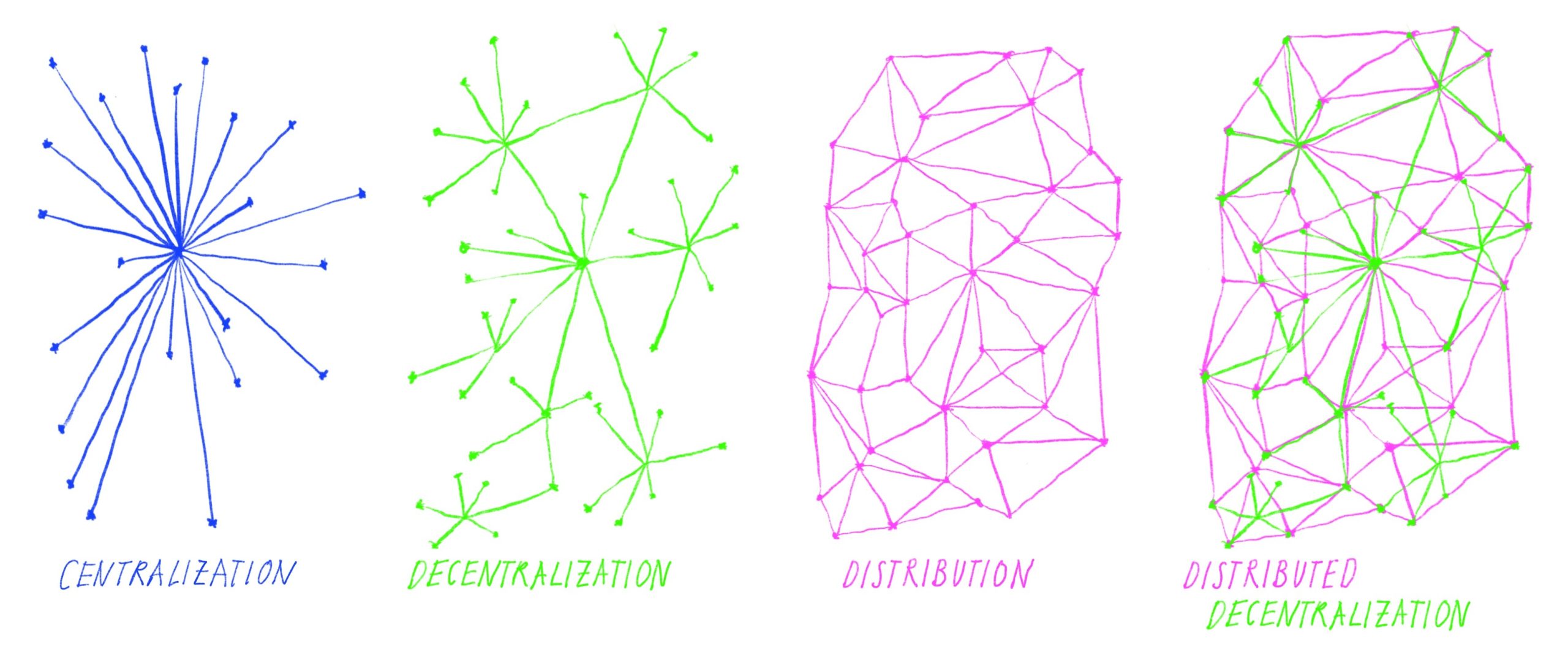
The solution lies in shifting the paradigm from centralized data centers to a distributed edge network. By pushing content and computation closer to the user, businesses can minimize latency, reduce origin server load, and ensure consistent availability. This article explores how to architect and optimize your digital presence using edge networks and regional endpoints to achieve global performance standards.
Key Concepts
To understand edge optimization, you must first distinguish between the “core” and the “edge.”
The Edge Network: This is a decentralized infrastructure of servers (often called Points of Presence, or PoPs) strategically located in geographically diverse regions. These nodes act as intermediaries between the end-user and your origin server.
Latency: This is the time it takes for a data packet to travel from the source to the destination. In an optimized system, we aim to minimize round-trip time (RTT). The edge network achieves this by serving cached content from a local PoP rather than fetching it from the primary database across the ocean.
Regional Endpoints: These are entry points configured to route users to the nearest available server infrastructure. By using Anycast IP addressing, a single IP address can be associated with multiple physical locations, automatically routing the user to the closest healthy node.
Step-by-Step Guide
Building a high-performance edge architecture requires a systematic approach to infrastructure deployment.
Audit Your User Distribution: Use analytics tools to map where your traffic originates. If 30% of your users are in Southeast Asia, your edge strategy must prioritize infrastructure in that region.
Select a Content Delivery Network (CDN) Provider: Choose a provider with high PoP density in your target markets. Look for providers that offer integrated security features like WAF (Web Application Firewall) at the edge.
Configure Regional Endpoints: Set up DNS-based routing or Anycast. Ensure your load balancers are configured to detect the health of regional endpoints, automatically failing over to the next closest node if one goes down.
Implement Edge Caching Policies: Distinguish between static and dynamic content. Cache static assets (images, CSS, JS) at the edge for long durations, while setting shorter TTL (Time to Live) values for dynamic data.
Enable Edge Logic: Use edge computing services (such as Cloudflare Workers or Lambda@Edge) to execute code closer to the user. This allows for A/B testing, authentication, or personalization without the round-trip to the origin.
Examples and Case Studies
E-commerce Scalability: A major global retailer faces massive spikes during “Black Friday” events. By using an edge network, they offload 95% of their product image traffic to edge nodes. This prevents the origin database from crashing, as only the final checkout transaction needs to hit the main server. The result is a seamless shopping experience regardless of user location.
Real-time Financial Data: A fintech platform uses edge computing to perform currency conversion calculations in the user’s region. By running these micro-calculations at the edge, they shave 200ms off the application response time—a critical margin for high-frequency trading platforms and live dashboards.
“Performance is not just a technical metric; it is a business imperative. A 100ms delay in page load time can reduce conversion rates by 7%.”
Common Mistakes
Over-Caching Dynamic Data: Caching sensitive, user-specific data (like account details) can lead to privacy breaches. Always use strict cache-control headers to ensure dynamic content is fetched fresh from the origin.
Ignoring Cache-Hit Ratios: Setting up an edge network is not “set and forget.” If your cache-hit ratio is low, you are essentially just adding an extra hop to your traffic path, which increases latency rather than reducing it.
Neglecting Security at the Edge: Moving traffic to the edge expands your attack surface. Ensure that SSL/TLS termination happens at the edge and that DDoS protection is active at every PoP, not just your primary data center.
Failure to Test Locally: Developers often test on high-speed local networks. Always use tools like WebPageTest or Lighthouse to simulate “throttled” connections from various global locations to see how your edge configuration actually performs.
Advanced Tips
Predictive Pre-fetching: Use machine learning to predict which assets a user will request next based on their behavior. The edge network can “push” these assets to the local cache before the user even clicks the link, creating a perception of instant navigation.
Serverless Edge Functions: Move your business logic away from the origin. By running authentication, request header manipulation, and geo-redirects at the edge, you minimize the “chattiness” of the client-server relationship.
HTTP/3 Adoption: Ensure your edge provider supports HTTP/3 (QUIC). This protocol is designed to handle packet loss better than its predecessors, significantly improving performance on unstable mobile networks—a common reality for global users.
Conclusion
Optimizing global performance is no longer an optional luxury; it is the foundation of a competitive digital strategy. By leveraging a distributed edge network, you move beyond the limitations of centralized architecture, effectively bringing your application to the user’s doorstep.
Start by auditing your current traffic patterns, choose the right edge partner, and aggressively move logic and assets away from the origin. When implemented correctly, the result is a faster, more resilient, and highly scalable application that provides a superior experience to users, regardless of where they are in the world. Remember: the edge is where the future of performance is won.