Contents1. Introduction: Defining the shift from Proof of Work to Proof of Stake and the role of the validator.2. Key Concepts: Understanding stake-weighted probability, consensus mechanisms, and the economic incentives for honesty.3. Step-by-Step Guide: How the validator selection process actually works in a modern blockchain environment.4. Examples and Case Studies: Comparing Ethereum’s PoS mechanism with other BFT-based networks.5. Common Mistakes: Misconceptions about validator selection, such as the “winner-takes-all” myth.6. Advanced Tips: Optimizing uptime and participation to maximize rewards.7. Conclusion: The future of decentralized security and why this model represents the gold standard for network integrity.***
The Mechanics of Trust: How Stake-Weighted Probability Secures Modern Blockchains
Introduction
In the early days of cryptocurrency, network security was defined by raw computational power. Miners competed to solve complex mathematical puzzles, a process known as Proof of Work (PoW). While effective, this model is energy-intensive and inherently centralized. Today, the landscape has shifted toward Proof of Stake (PoS), a more sustainable and economically aligned consensus mechanism. At the heart of this evolution lies the validator selection process—a system where network participants are chosen to verify transactions based on a stake-weighted probability. Understanding this mechanism is essential for anyone looking to grasp how decentralized networks maintain integrity without a central authority.
Key Concepts
To understand stake-weighted probability, we must first define the validator. A validator is a node or entity responsible for verifying transactions, proposing new blocks, and maintaining the blockchain’s state. Unlike miners who use hardware, validators use their own capital—their “stake”—as collateral.
Stake-Weighted Probability is the core algorithm used to select these validators. In a truly decentralized system, you cannot have every participant verifying every transaction simultaneously; it would be too slow. Instead, the network selects a validator (or a committee of validators) to propose the next block. The probability of being chosen is directly proportional to the amount of tokens they have staked.
The core logic is simple: the more capital you have at stake, the more you have to lose if you act maliciously. This aligns the economic interests of the validator with the long-term health of the network.
This system replaces the “race to solve” with a “selection by weight” model. If a validator holds 5% of the total staked tokens on the network, they have a statistically higher chance of being selected to propose a block compared to someone holding 0.1%. This ensures that those with the most “skin in the game” are the ones responsible for securing the ledger.
Step-by-Step Guide: The Validator Selection Lifecycle
The process of selecting a validator is a highly automated, cryptographic procedure designed to be both fair and unpredictable. Here is how it typically unfolds:
Staking and Activation: A participant locks their tokens into a smart contract. Once the tokens are verified, the node is added to the “validator pool,” making them eligible for selection.
Epoch Cycles: Blockchains operate in time increments called epochs. During each epoch, the protocol runs a pseudo-random function to determine which validators will be assigned to specific “slots” (time windows for proposing blocks).
Weight Calculation: The protocol scans the total staked supply. A validator’s probability of selection is calculated as: (Validator Stake) / (Total Network Stake).
Assignment: The network assigns specific validators to specific slots. Because the selection is pseudo-random but weighted, it prevents attackers from predicting who will propose the next block, effectively neutralizing potential DDoS attacks or targeted censorship.
Verification and Attestation: Once the selected validator proposes a block, other validators in the committee verify the block. If the majority approves, the block is finalized, and the proposer receives a reward.
Examples and Case Studies
The most prominent example of this mechanism is the Ethereum network following “The Merge.” Ethereum uses a committee-based selection process. In each slot, one validator is chosen as the “proposer,” while a large committee of other validators is chosen to “attest” (vote) on the validity of that block. This multi-layered approach ensures that even if a single validator is compromised, the broader network security remains intact.
Another example is Polkadot, which uses a Nominated Proof of Stake (NPoS) system. Here, users nominate validators by staking their tokens behind them. The protocol runs an election algorithm that maximizes the stake distribution across the validator set, ensuring that no single entity becomes too powerful while maintaining the stake-weighted probability for block production.
In both cases, the goal is the same: to create a system where the cost of attacking the network (e.g., trying to propose fraudulent blocks) exceeds the potential gain, as the attacker’s own stake would be “slashed” or confiscated by the protocol.
Common Mistakes
Navigating the world of staking and validator selection can be complex. Here are common pitfalls to avoid:
Ignoring Slashing Risks: Many participants assume that staking is a “set and forget” passive income stream. However, if your validator goes offline or attempts to validate fraudulent data, your stake can be slashed. Always vet your validator’s track record.
Chasing High APY without Research: Some validators offer “marketing” yields that are unsustainable. High returns often imply higher risk or poor infrastructure. Focus on reliability and uptime metrics rather than just the highest percentage.
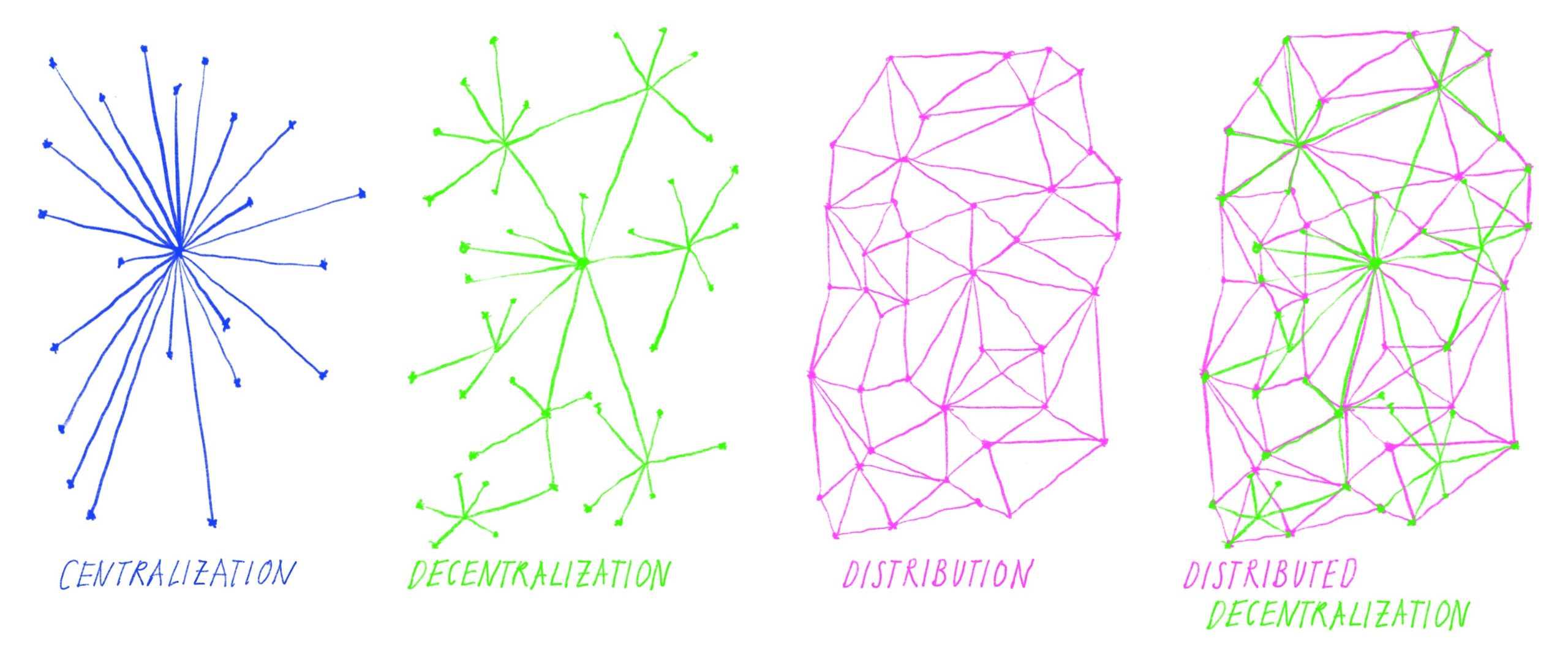
Over-centralization: Users often delegate to the largest exchange-based validators. This hurts the network’s decentralization. Spreading your stake across smaller, independent validators strengthens the network and is often better for long-term security.
Misunderstanding Liquidity: Some staking protocols have “unbonding periods” where your tokens are locked for days or weeks. Ensure you understand the liquidity requirements before committing your capital.
Advanced Tips
To truly master the mechanics of stake-weighted participation, consider these advanced strategies:
Monitor Validator Performance Indices: Use block explorers to track your validator’s “missed proposal” rate. A high-quality validator should have near-100% uptime. If they are missing slots, you are losing out on potential rewards.
Geographic Diversification: If you are running your own validator, ensure your infrastructure is distributed. Using a single cloud provider (like AWS) for all your nodes creates a single point of failure. Modern validators use multi-region setups to ensure that local outages do not lead to slashing penalties.
Understand MEV (Maximal Extractable Value): Advanced validators often optimize for MEV—the profit they can extract by reordering transactions within a block. While controversial, understanding how your chosen validator handles MEV can help you choose one that distributes these rewards back to the stakers fairly.
Conclusion
The transition to stake-weighted validator selection is more than just a technical update; it is a fundamental shift in how we define digital trust. By tying the ability to secure the network to the capital invested in it, blockchains create a robust, self-correcting ecosystem that incentivizes honesty over malice.
For the average participant, the takeaway is clear: decentralization is a shared responsibility. Whether you are running a node or delegating your tokens, you are a vital component of the consensus mechanism. By prioritizing reliable, independent validators and understanding the risks of slashing, you contribute to a more secure and resilient financial future. The integrity of the ledger depends not on the power of a machine, but on the alignment of the community.