Conclusion: Why proactive governance is the future of sustainable digital ecosystems.
Mastering Governance: How Automated Alerts Streamline Service Oversight
Introduction
In the rapidly evolving world of decentralized protocols and enterprise-grade software, governance is the heartbeat of sustainability. Whether you are a stakeholder in a Decentralized Autonomous Organization (DAO) or a manager overseeing complex cloud service configurations, the sheer volume of proposed changes can be overwhelming. This phenomenon, often called “governance fatigue,” leads to missed deadlines, poor decision-making, and significant security vulnerabilities.
The solution is not to spend more time reading every proposal, but to change how you consume information. By implementing automated notifications tailored to your specific service categories, you ensure that you only engage with the governance actions that directly impact your operational footprint. This article explores how to move from reactive oversight to a proactive, automated governance strategy.
Key Concepts
Governance monitoring is the practice of tracking changes to the rules, parameters, or codebase of a system. Traditionally, this is manual work. However, in modern technical environments, “service categories” define the boundaries of your interest. A service category might be “Liquidity Provisioning,” “Security Infrastructure,” or “User Interface Upgrades.”
An automated notification system acts as a filter. It sits between the governance forum (where proposals are posted) and your communication channels (Slack, Discord, or Email). Instead of receiving updates on every minor change, the system uses keyword matching, metadata analysis, or tag-based indexing to verify if a proposal touches your specific category. If it does, the alert is triggered instantly, providing you with the context required to take immediate action.
Step-by-Step Guide
Audit Your Scope: Clearly define which service categories are critical to your operations. If you are a liquidity provider, you only care about interest rate adjustments and collateral factor proposals. Ignore everything else.
Select a Monitoring Tool: Utilize governance aggregators like Tally, Snapshot, or enterprise-specific APIs that offer webhooks. If these aren’t available, set up a custom script to scrape the governance forum’s RSS feed or API endpoint.
Configure Keyword and Category Filters: Map your service categories to specific tags or keywords. For example, if you manage “Vault Security,” ensure your filter tracks keywords like “security audit,” “emergency pause,” or “vault parameters.”
Set Up Notification Channels: Integrate your monitoring tool with your team’s preferred communication platform. Use a dedicated channel so these alerts don’t get buried in general discussions.
Define Escalation Paths: An alert is useless without an action plan. For each category, assign a point person responsible for reviewing the proposal and deciding whether to vote, comment, or flag it for further review.
Examples or Case Studies
Consider a DeFi platform where users contribute capital to various yield-bearing vaults. A governance proposal suddenly arises to change the underlying risk parameters of a specific lending pool. Without automated alerts, the individual users—or even the platform’s operations team—might not notice the change until it is too late.
By using an automated notification system configured to the “Vault Risk Parameters” category, the operations team receives an instant alert on Slack. They can immediately audit the math behind the proposed change, simulate the impact on their yield, and cast a vote—or inform their users—within minutes of the proposal being published. This proactive approach turns a potential crisis into a managed, transparent administrative task.
Governance is not just about voting; it is about being informed at the exact moment your interests are at stake.
Common Mistakes
Over-Alerting (Notification Fatigue): Setting filters too wide will result in a flood of alerts. If every minor update triggers a notification, your team will stop paying attention. Refine your filters iteratively.
Ignoring Context: Alerts should contain more than just a link. A high-quality alert includes a summary of the proposal, its potential impact, and the voting deadline. Without this, the alert is just another item on a to-do list.
Lack of Redundancy: If your automated alert system goes down, your governance oversight goes dark. Ensure your monitoring infrastructure is as resilient as the services you are overseeing.
Failure to Update Filters: Governance topics change over time. If a new service category is added to your portfolio, you must remember to update your alert triggers, or you will have a blind spot.
Advanced Tips
To take your governance monitoring to the next level, consider integrating sentiment analysis tools. These tools can scan the discussion threads of a proposal to alert you if the community sentiment is trending toward a “contentious” or “urgent” status. This helps you identify controversial proposals that may require more political maneuvering or deeper due diligence before voting.
Another advanced strategy is to implement Multi-Channel Alerting. Critical governance decisions—such as those involving treasury spending or security patches—should trigger phone calls or SMS alerts to the relevant stakeholders, while lower-priority parameter changes can be relegated to a weekly email summary.
Finally, consider automated veto triggers. In certain enterprise governance structures, you can programmatically cast a “provisional no” vote if a proposal meets certain criteria (like a high-risk score) until a human has had the chance to review it. This ensures that you never miss a deadline for high-stakes decisions.
Conclusion
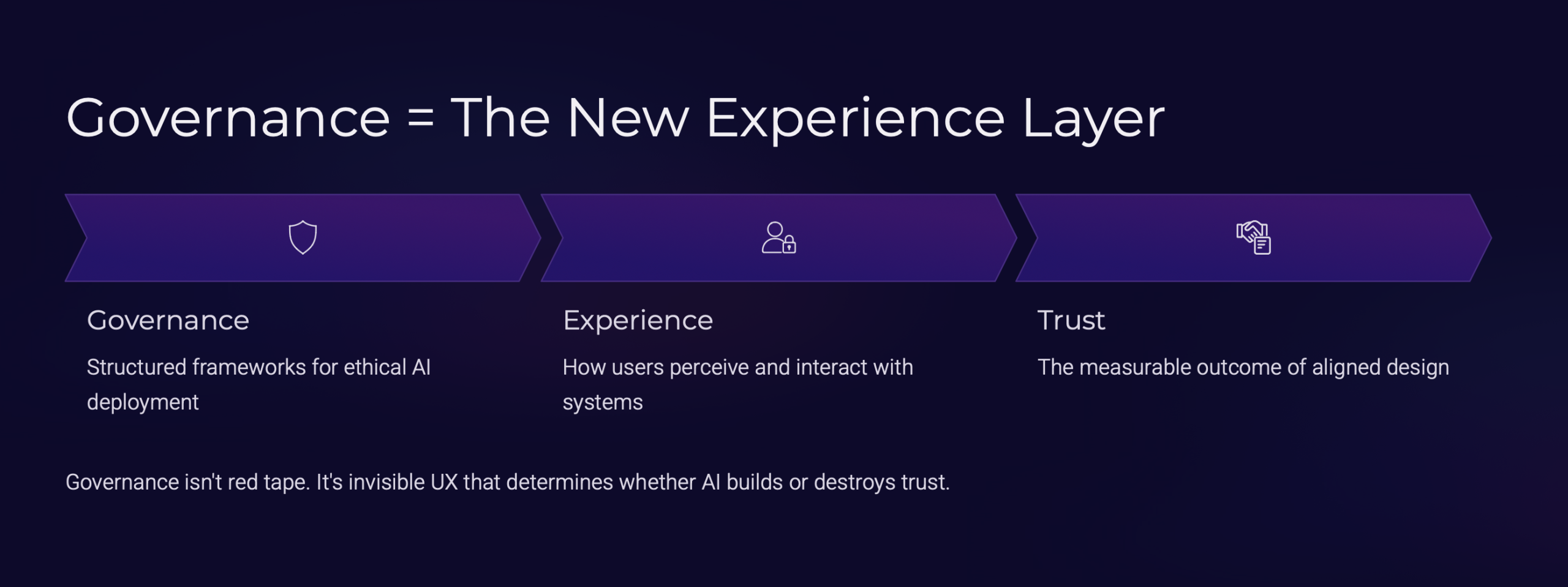
In the digital age, governance is the primary mechanism for maintaining trust and operational integrity. However, the manual monitoring of proposals is no longer viable for sophisticated stakeholders. By leveraging automated notifications tied to specific service categories, you reclaim your time and ensure that you are always operating with the best information available.
The goal is simple: reduce the noise, highlight the impact, and enable timely action. Whether you are managing a small protocol or a complex enterprise infrastructure, implementing this system will allow you to participate in governance with confidence, clarity, and precision. Start by auditing your scope today, and transform your governance workflow from a chore into a competitive advantage.