Securing the Edge: Implementing Hardware Security Modules (HSMs) for Private Key Management
Introduction
As the Internet of Things (IoT) expands, the perimeter of the corporate network has effectively dissolved. Data is no longer confined to centralized data centers; it is processed, stored, and transmitted at the “edge”—on industrial controllers, smart sensors, and autonomous gateways. This shift has created a critical vulnerability: the protection of the cryptographic keys that secure these devices.
If a private key is compromised on an edge device, the entire trust chain collapses. Attackers can impersonate devices, intercept sensitive data, or inject malicious firmware. Hardware Security Modules (HSMs) represent the gold standard for mitigating this risk. By offloading cryptographic operations to dedicated, tamper-resistant hardware, organizations can ensure that private keys remain inaccessible even if the host operating system is fully compromised.
Key Concepts
To understand HSM implementation at the edge, we must distinguish between standard software-based key storage and dedicated hardware security.
What is an HSM? An HSM is a physical computing device that safeguards and manages digital keys, performs encryption and decryption functions, and provides strong authentication. Unlike a standard server, an HSM is purpose-built to be tamper-evident and tamper-responsive. If an attacker attempts to physically breach the device, the HSM is designed to zeroize (erase) the stored keys immediately.
The Edge Context: Edge devices are often physically accessible to unauthorized parties. A smart meter on a street corner or an industrial robot in a remote warehouse lacks the physical security of a data center. HSMs for the edge—often referred to as Embedded HSMs or Secure Elements (SE)—are miniaturized versions of their enterprise counterparts, designed for low power consumption while maintaining the same root-of-trust principles.
Root of Trust: The HSM acts as the “Root of Trust.” It is the only component in the system that is inherently trusted. By anchoring the device identity and encryption keys within the HSM, you ensure that even if the main application processor (running Linux or RTOS) is hacked, the attacker cannot extract the private keys.
Step-by-Step Guide: Implementing HSMs in Edge Architectures
Integrating an HSM into an edge device requires a shift in how you handle cryptographic workflows. Follow this process to ensure a secure implementation.
Select the Right Form Factor: Choose between a standalone chip (Secure Element), a Trusted Platform Module (TPM), or an integrated HSM within a System-on-Chip (SoC). For high-security industrial applications, a dedicated EAL5+ certified Secure Element is recommended.
Establish a Secure Provisioning Workflow: Keys should ideally be injected into the HSM in a secure facility (often by the chip manufacturer or a specialized partner) before the device is deployed. Avoid “in-field” key generation unless the device has a secure, authenticated link to a Certificate Authority (CA).
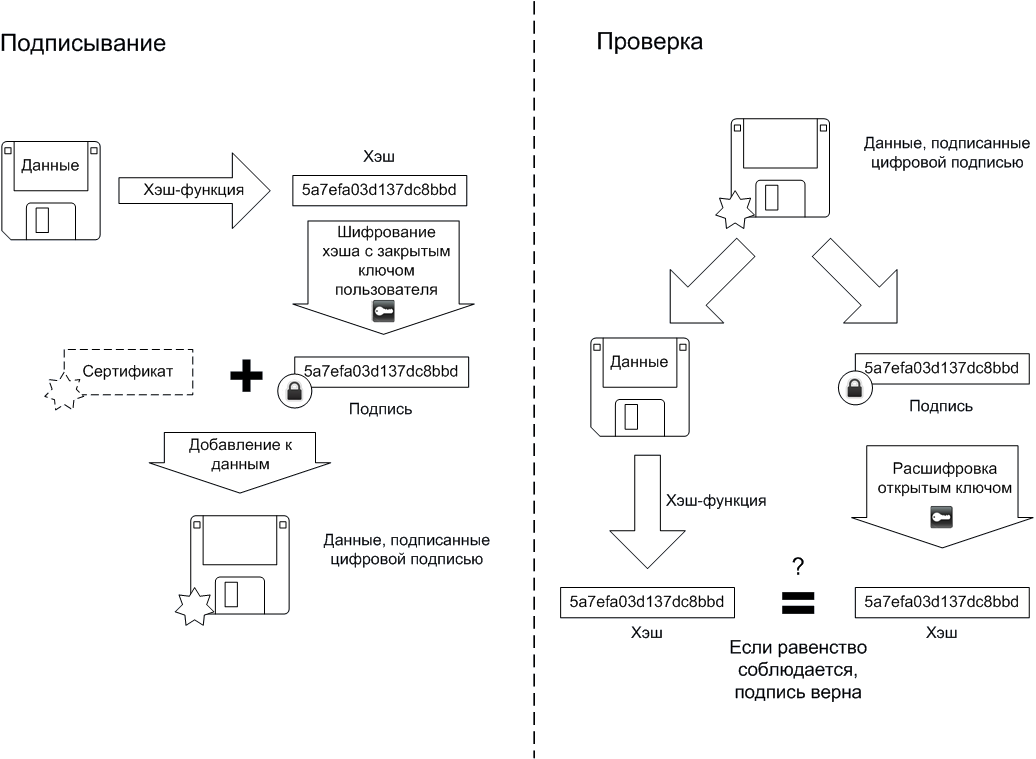
Decouple Cryptography from Application Logic: Refactor your software to ensure the private key never touches the application memory. The application should send data to the HSM for signing, and the HSM returns the signature. The private key remains inside the hardware boundary.
Implement PKCS#11 or KMIP Interfaces: Most HSMs use standard APIs like PKCS#11. Use these standardized interfaces to ensure your application remains portable and doesn’t rely on proprietary, vendor-locked code.
Monitor and Audit: Configure the HSM to log all cryptographic operations. Monitor for “unauthorized access” attempts or “key usage” spikes, which can serve as early indicators of a breach attempt.
Examples and Case Studies
Industrial IoT (IIoT) Gateways: In a smart factory, an IIoT gateway collects telemetry from thousands of sensors. If the gateway is compromised, an attacker could send false “shutdown” commands to the production line. By using an HSM, the gateway signs every command using a private key stored in the hardware. Even if an attacker gains root access to the gateway’s operating system, they cannot forge the signature required to authorize a shutdown command.
Automotive V2X Communications: Modern vehicles communicate with infrastructure (V2X). These messages must be authenticated to prevent malicious traffic interference. Automotive-grade HSMs are used to sign these messages in milliseconds. Because the HSM is physically isolated, it prevents attackers from extracting the vehicle’s unique identity key, even if they gain access to the vehicle’s infotainment system.
The core philosophy of edge security is simple: assume the host is compromised. If your keys are stored in software, they are part of the compromise. If your keys are in an HSM, they are immune to the compromise.
Common Mistakes
Software-Based “Key Vaults”: Many developers mistake an encrypted file on a disk for a secure key vault. If an attacker has root access, they can simply capture the decryption key for the vault. This is not security; it is obscurity.
Neglecting Physical Tamper Resistance: Using a general-purpose processor’s “Trusted Execution Environment” (TEE) is better than software, but it is not an HSM. TEEs are vulnerable to side-channel attacks (like power analysis) that a physical HSM is specifically hardened against.
Hardcoding Keys: Never hardcode keys in firmware images. HSMs allow you to generate unique keys per device, which is essential for revoking access if a single device is physically stolen.
Ignoring Key Lifecycle Management: Deploying an HSM is useless if you don’t have a strategy for key rotation or decommissioning. HSMs should be managed through a centralized Key Management System (KMS) that can push updates or revoke access remotely.
Advanced Tips
Leverage Side-Channel Protections: When selecting an HSM, look for certifications regarding side-channel attack resistance. High-end modules utilize “noise injection” and clock-jittering to prevent attackers from determining key values by monitoring power consumption or electromagnetic emissions.
Attestation: Use the HSM to perform “Remote Attestation.” This process allows the device to prove to a server that it is running the expected, untampered firmware. The HSM signs a hash of the current firmware state, providing the cloud with cryptographic proof of the device’s integrity.
Multi-Factor Authentication for Admin Operations: If your edge devices require remote updates, ensure the HSM requires a multi-signature approach. For example, a firmware update should only be accepted if it is signed by both the manufacturer’s master key and the internal HSM-stored operational key.
Conclusion
Hardware Security Modules are no longer an optional luxury for enterprise data centers; they are a necessity for the modern edge. As we shift the burden of intelligence to the edge, we must also shift the burden of trust from software to hardware. By implementing HSMs, you effectively decouple the device’s identity and security from the volatile and easily compromised software environment.
The transition requires an upfront investment in hardware and a shift in development workflows, but the ROI is clear: a significantly reduced attack surface and a robust defense against the most common vectors of cyber-physical sabotage. Start by identifying your most critical edge assets and prioritizing them for HSM integration today.