1. Introduction: Defining the convergence of DLT and time-banking. 2. Key Concepts: Explaining the mechanics of Time-Banking and why DLT is the missing infrastructure. 3. Step-by-Step Guide: How to implement a DLT-based time bank. 4. Real-World Applications: Case studies of community-driven economies. 5. Common Mistakes: Pitfalls in governance and technical adoption. 6. Advanced Tips: Scaling through smart contracts and interoperability. 7. Conclusion: The future of value exchange.
***
The Future of Community Value: Distributed Ledger Technology as the Backbone of Time-Banking
Introduction
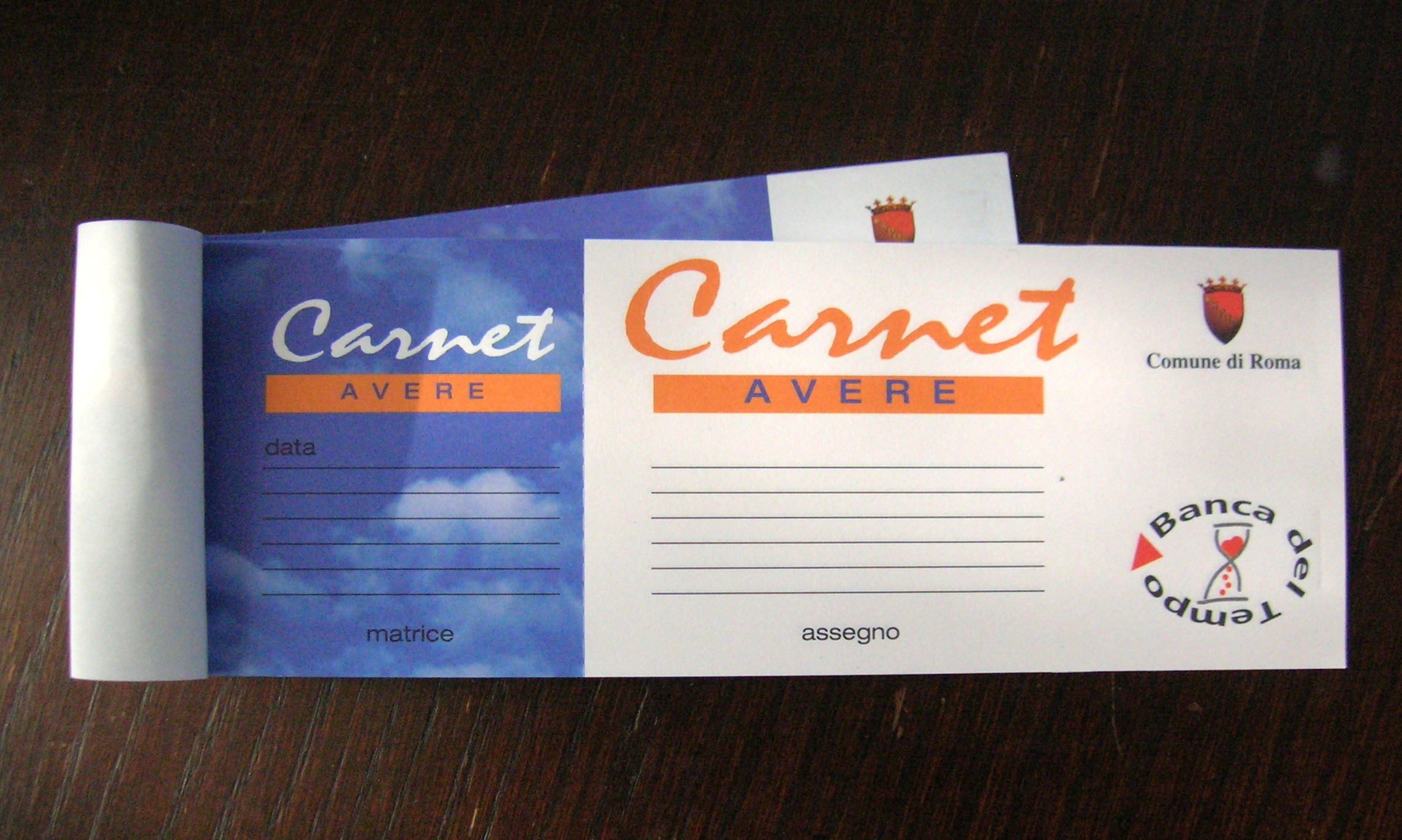
For decades, time-banking has operated as a noble, yet logistically cumbersome, experiment. The concept is simple: for every hour you spend helping a neighbor, you earn one “time credit,” which you can then spend on someone else’s services. It is a system built on social capital rather than fiat currency. However, traditional time-banking has long struggled with scalability, trust, and the administrative burden of manual record-keeping.
Enter Distributed Ledger Technology (DLT). By providing a decentralized, immutable, and transparent record of transactions, DLT acts as the foundational layer that transforms time-banking from a localized hobby into a robust, global economic infrastructure. This article explores how DLT removes the friction from time-based economies, turning social altruism into a verifiable, scalable asset.
Key Concepts
At its core, time-banking is a service-exchange economy where the unit of account is the hour. Unlike traditional markets, time-banking operates on the principle of equality—every hour of labor is valued identically, regardless of the service provided. This levels the playing field, allowing a retired accountant and a young student to exchange value on an equal footing.
Distributed Ledger Technology (DLT) provides the technical framework to manage this. Unlike a centralized database managed by a single non-profit or municipality, a DLT-based system operates on a distributed network. Each transaction is verified by the network, time-stamped, and permanently recorded. This ensures:
Trustless Verification: Participants don’t need to trust a central administrator to keep the books; the ledger is verifiable by all.
Immutability: Once a time credit is earned and recorded, it cannot be retroactively altered or deleted.
Automated Settlement: Smart contracts—self-executing code stored on the ledger—can trigger payments automatically upon the completion of a task, eliminating the need for manual approval.
Step-by-Step Guide
Transitioning a community to a DLT-backed time bank requires a shift from manual spreadsheets to programmatic logic. Follow these steps to build a sustainable system.
Define the Consensus Mechanism: Determine how transactions are validated. For local time banks, a permissioned ledger (where nodes are managed by trusted community members) is often more energy-efficient and faster than a public, proof-of-work blockchain.
Implement Identity Management: Use decentralized identifiers (DIDs) to verify participants. This ensures that every user is a unique, real human being, preventing “Sybil attacks” where one user creates multiple accounts to hoard time credits.
Develop the Smart Contract Logic: Create a standard contract template that defines the exchange. This template should include the service description, the parties involved, and the “release” mechanism (e.g., the recipient confirms receipt of service before the ledger marks the transaction as complete).
Deploy a User Interface: Build a simple mobile application that hides the technical complexity of the ledger. Users should see a balance, not a cryptographic hash. The app should function as a digital wallet for time credits.
Establish Governance Protocols: Define how the community votes on changes to the system. DLT allows for “on-chain governance,” where participants can vote on policy changes directly through their wallets, proportional to their participation history.
Examples or Case Studies
Consider the real-world application of DLT in neighborhood revitalization projects. In a traditional system, a volunteer fixing a broken fence for a neighbor might go unrecorded, or the record might be lost. Using a DLT-based ledger, that volunteer receives a digital token in their wallet the moment the neighbor signs off on the work. This token is now a liquid asset that can be used to pay for a piano lesson or help with grocery shopping within the same network.
The true power of DLT in time-banking is the creation of a “reputation score.” Because every transaction is recorded, participants build a verifiable history of reliability. This history acts as a form of social collateral, making it easier to engage in high-trust exchanges without ever knowing the other party personally.
Several pilot programs in Europe and Japan have begun utilizing permissioned ledgers to manage elder-care networks. By tracking care hours on a ledger, these communities have successfully incentivized younger generations to support the elderly, with the ledger providing a transparent record for government auditors to verify that social services are being delivered effectively.
Common Mistakes
Over-complicating the Tech Stack: Trying to force a complex, public blockchain where a simple, private ledger would suffice. This increases transaction costs and latency.
Neglecting User Experience: If the interface is not as intuitive as a banking app, adoption will fail. The DLT should be invisible to the end user.
Ignoring Legal Compliance: Failing to consult with local financial regulators. Even if it is a time bank, governments may categorize time credits as taxable income or securities depending on the jurisdiction.
Centralization Fallacy: Building a “decentralized” system that is actually controlled by a single server or administrator. If the core governance remains centralized, the benefits of DLT are largely negated.
Advanced Tips
To truly scale a DLT-based time bank, look toward interoperability. If your time bank uses a standardized protocol, it can eventually connect with other time banks in different cities. This creates a “network of networks,” where a time credit earned in one neighborhood can be spent in another, effectively creating a global, decentralized labor market.
Furthermore, consider integrating Oracle services. Oracles bring off-chain data onto the blockchain. For instance, if you are tracking time-banked environmental work (like cleaning a local park), an IoT sensor or a verified GPS coordinate could serve as the “oracle,” automatically triggering a credit to the volunteer’s wallet once the work is verified by physical evidence.
Conclusion
Distributed Ledger Technology is the missing link that moves time-banking from the fringe into the mainstream. By providing a transparent, secure, and automated foundation, DLT allows communities to reclaim the value of their time, fostering resilience and connection in an increasingly digital world.
The transition requires more than just code; it requires a commitment to community governance and a focus on user-centric design. When implemented correctly, DLT-backed time banks do more than track transactions—they build the infrastructure for a more equitable, human-centric economy. Start small, verify your transactions, and leverage the power of the ledger to turn community action into lasting value.