Contents1. Introduction: Defining reputation as a public good and why current centralized control is a systemic risk.2. Key Concepts: De-centralization, status data ownership, and the “tragedy of the commons” in digital identity.3. Step-by-Step Guide: How to transition from platform-locked reputation to portable, protocol-based status.4. Examples/Case Studies: Comparing Web2 social scores (e.g., Uber/Airbnb) with Decentralized Identifiers (DIDs) and Verifiable Credentials.5. Common Mistakes: Over-reliance on single-platform metrics and the risks of proprietary silos.6. Advanced Tips: Implementing Zero-Knowledge Proofs (ZKPs) to protect privacy while maintaining reputation.7. Conclusion: The future of individual autonomy in digital social capital.***
Reputation as a Public Good: Reclaiming Digital Identity from Private Silos
Introduction
For the past two decades, your digital reputation has been held hostage. Every time you earn a five-star rating on a ride-sharing app, build a professional portfolio on a job board, or accumulate “karma” on a social forum, that data belongs to the platform, not you. You are effectively locked into a digital ecosystem where your hard-earned status cannot be exported, verified, or leveraged elsewhere.
This centralized control creates a dangerous power imbalance. When a private entity owns your reputation, they control your ability to participate in the digital economy. If you are banned or if the platform shuts down, your social capital vanishes. Treating reputation as a public good—a shared, decentralized infrastructure—is the only way to shift power back to the individual. This article explores how we can move toward a future where reputation is a portable asset, owned by the user and verifiable by anyone.
Key Concepts
To understand the transition toward reputation as a public good, we must first deconstruct the current paradigm of “walled gardens.”
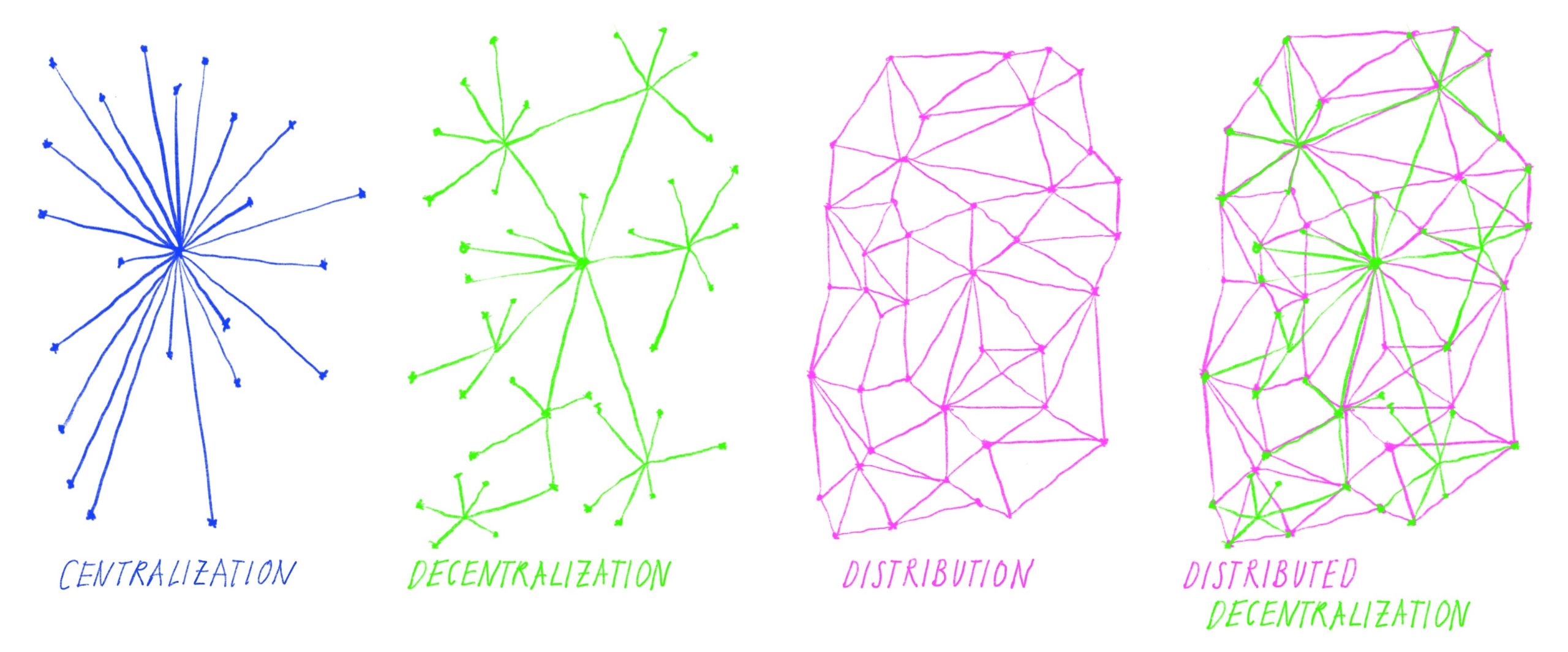
The Proprietary Silo Model: In the current Web2 landscape, reputation is proprietary data. Platforms use this data as a “lock-in” mechanism. By preventing users from taking their ratings or history to a competitor, platforms ensure user retention. This is not for the benefit of the user; it is an extraction of value from the user’s social labor.
Reputation as a Public Good: This framework posits that reputation should function like an open protocol, similar to email or the internet itself. It suggests that status data should be stored in a decentralized, tamper-proof registry—often using blockchain technology or decentralized identifiers (DIDs). In this model, the platform acts only as a verifier, not the owner of the data.
Verifiable Credentials (VCs): These are the digital equivalents of physical documents (like a driver’s license or diploma). A VC allows an individual to prove a fact about themselves—such as “I have a 4.9-star rating as a driver”—without the verifier needing to query a central database owned by a specific corporation. This separation of issuance (the platform) and ownership (the user) is the core of the public good framework.
Step-by-Step Guide
Transitioning to a decentralized reputation model requires a shift in how we interact with digital platforms. Follow these steps to begin reclaiming your digital footprint.
Adopt Self-Sovereign Identity (SSI) Wallets: Start by using identity wallets that support Decentralized Identifiers (DIDs). These tools allow you to hold cryptographic keys that prove your identity across different services without relying on a single login provider like Google or Facebook.
Request Portability of Credentials: When interacting with services, look for platforms that support “Exportable Reputation.” If a platform doesn’t allow you to export your data in a machine-readable format (like JSON-LD), prioritize using services that are built on open-standard protocols like W3C Verifiable Credentials.
Utilize Decentralized Registries: Instead of relying on a company’s internal server, store your reputation proofs on a public, permissionless ledger. This ensures that even if a service goes bankrupt, your verifiable history remains accessible to you and any future service you choose to join.
Implement Selective Disclosure: Use Zero-Knowledge Proofs (ZKPs) to share your reputation. You should be able to prove you are a “highly-rated user” without revealing your entire transaction history or your specific identity to every third party you encounter.
Advocate for Interoperability: Support platforms that prioritize API-first, open-data standards. If a platform refuses to allow cross-platform reputation verification, they are actively working against the public good of your digital identity.
Examples and Case Studies
The practical application of decentralized reputation is already appearing in niche sectors, showing us what a future “public good” model looks like.
The shift from “Platform-Owned” to “User-Owned” reputation is not just a technical change; it is a fundamental shift in market power.
DeFi Credit Scoring: In decentralized finance (DeFi), users often lack traditional credit scores. However, by using on-chain transaction history, protocols can generate a “reputation score” based on lending and repayment behavior. Because this data is on the blockchain, the user can take this score to any lending protocol to secure better rates, rather than being stuck with the one bank that happens to have their data.
Professional Credentials: Some universities and certification bodies are now issuing degrees as Verifiable Credentials. Once issued, the graduate holds the degree in their digital wallet. When they apply for a job, they can provide a cryptographic proof that they earned the degree. The employer verifies the signature directly from the university’s public key, bypassing the need for a third-party background check platform that charges fees for the same verification.
Common Mistakes
When attempting to decentralize reputation, many users and developers fall into common traps that compromise the integrity of the system.
Confusing Anonymity with Pseudonymity: Users often assume that decentralization means complete anonymity. In reality, reputation requires a persistent identity. The goal is privacy—not necessarily the absence of a record—so ensure your identity solution supports selective disclosure.
Storing Sensitive Data on-chain: A common mistake is putting raw data (like specific transaction amounts) on a public ledger. Always store the “hash” (a cryptographic fingerprint) of the data on-chain, while keeping the actual sensitive information in your private storage.
Ignoring Revocation Mechanisms: Reputation is only valuable if it can be updated. If your credential cannot be revoked (e.g., if you lose your professional license), the system becomes untrustworthy. Always ensure your chosen protocol supports verifiable revocation.
Advanced Tips
To truly master the framework of reputation as a public good, one must look toward the intersection of cryptography and social trust.
The Power of Zero-Knowledge Proofs (ZKPs): ZKPs are the “holy grail” of decentralized reputation. They allow you to prove a statement (e.g., “I am over 18” or “I have a reputation score above 80”) without revealing the underlying data. As you build your reputation, prioritize platforms that support ZKPs to ensure that your total digital history remains private while your specific qualifications remain public.
Decentralized Governance: Consider participating in DAOs (Decentralized Autonomous Organizations) that use reputation-based voting. In these systems, your influence is tied to your demonstrated expertise rather than the amount of capital you hold. This aligns with the public good model, where reputation acts as a stake in the community’s success.
Conclusion
Treating reputation as a public good is an essential evolution of the internet. By moving away from proprietary, platform-locked status data and embracing decentralized identity standards, we regain agency over our digital lives. We move from being “users” trapped in silos to “participants” in a global, interconnected economy of trust.
The transition will not happen overnight, but by prioritizing portable credentials, supporting open-source standards, and demanding data ownership from the platforms we use, we can dismantle the walled gardens. Your reputation is your most valuable asset—ensure it stays in your hands.