Outline
- Introduction: The decline of the “town square” and the urgent need for structured public deliberation in an era of societal polarization.
- Key Concepts: Defining deliberative democracy, the difference between debate and deliberation, and the role of public forums in consensus building.
- Step-by-Step Guide: How to host or participate in a high-impact public forum, from agenda setting to synthesized output.
- Examples and Case Studies: Real-world successes like the Irish Citizens’ Assemblies and local participatory budgeting.
- Common Mistakes: The pitfalls of echo chambers, lack of moderation, and failing to define actionable outcomes.
- Advanced Tips: Techniques for de-escalating conflict and ensuring representative inclusivity.
- Conclusion: Why civic participation is the bedrock of institutional stability.
The Architecture of Agreement: How Public Forums Shape Societal Shifts
Introduction
We live in an era where societal shifts—ranging from the integration of artificial intelligence to climate policy and urban zoning—occur at breakneck speeds. Yet, our mechanisms for discussing these shifts have largely degraded into digital shouting matches. The “public forum,” once the bedrock of democratic stability, is currently undergoing a crisis of confidence. When we lose the ability to deliberate in good faith, we lose the ability to govern ourselves effectively.
Public forums are not merely spaces for venting frustrations; they are structured environments designed to facilitate collective intelligence. By creating a physical or digital space where diverse perspectives are forced to interact under a framework of mutual respect, we can transform abstract societal friction into concrete policy solutions. Understanding how to build, maintain, and participate in these forums is an essential skill for any citizen, leader, or community organizer in the 21st century.
Key Concepts
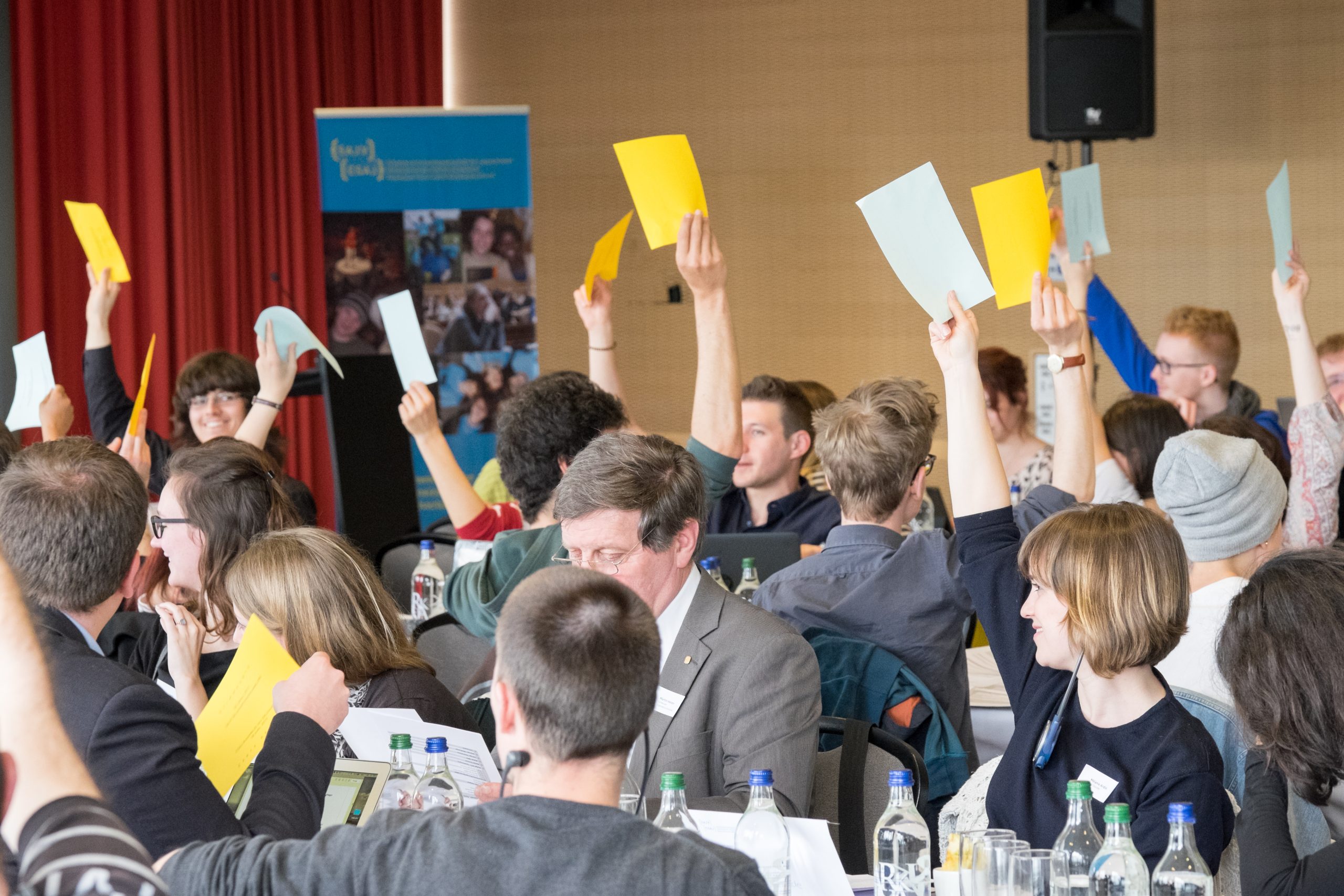
To understand the power of public forums, we must first distinguish between debate and deliberation. In a debate, the goal is to win; the participants come with fixed positions and seek to dismantle the arguments of the other side. In a deliberative forum, the goal is to understand; participants come with interests and seek to find common ground or at least a map of their disagreements.
Deliberative Democracy is the practice of involving citizens in decision-making processes through informed discussion. It rests on three pillars:
- Inclusivity: Ensuring that the voices of the marginalized are represented alongside the loud and the powerful.
- Informed Discussion: Providing participants with high-quality, neutral briefing materials so that arguments are based on facts, not just rhetoric.
- Structured Moderation: Utilizing neutral facilitators to ensure that the conversation remains focused on the issue at hand rather than personal attacks.
When these pillars are present, public forums become “sense-making” engines. They allow society to process complex, large-scale shifts by breaking them down into manageable, human-scale conversations.
Step-by-Step Guide: Hosting a High-Impact Forum
If you are looking to facilitate a forum that results in actual societal progress rather than empty noise, follow this structured process:
- Define the Scope: Vague forums yield vague results. Instead of “Discussing AI,” frame the forum around “How should our local school district handle the integration of generative AI in the classroom?”
- Recruit a Diverse Cohort: Use stratified random sampling or targeted outreach to ensure the room reflects the demographics of the affected population. If everyone in the room agrees with you, the forum has failed.
- Distribute Pre-Reading Materials: Send out a “briefing book” three days before the event. This document should outline the problem, the historical context, and the three most prominent potential solutions, written from a neutral standpoint.
- Set Ground Rules: At the start of the forum, establish rules such as “listen to understand, not to respond,” “no interrupting,” and “focus on the policy, not the person.”
- Facilitated Small Groups: Break the larger audience into groups of 6–8 people. Small group dynamics are significantly more productive than large-hall town meetings where one or two people dominate the microphone.
- Synthesis and Reporting: Have a scribe in each group record key areas of consensus and major points of divergence. Consolidate these into a final report that is made public to all participants.
Examples or Case Studies
The most compelling evidence for the efficacy of public forums comes from the Irish Citizens’ Assemblies. Faced with deeply divisive constitutional issues, the Irish government assembled a group of 99 citizens—representative of the broader public—to hear evidence from experts, deliberate in small groups, and vote on recommendations. This process allowed the country to navigate sensitive issues like abortion legislation and climate policy with a level of public legitimacy that standard parliamentary debate could not achieve.
On a smaller scale, Participatory Budgeting in cities like Porto Alegre, Brazil, and various municipalities in North America has transformed local governance. By allowing citizens to deliberate on how a portion of the municipal budget should be spent, these forums shift the relationship between the citizen and the state from one of passive taxpayer to active stakeholder. The result is higher tax compliance, increased trust in government, and projects that actually meet the needs of the neighborhood.
Common Mistakes
- Ignoring Power Dynamics: If you do not actively manage the room, the most extroverted or aggressive participants will silence the voices of the more thoughtful, quiet participants.
- Lack of Actionable Outcomes: People will stop showing up if they feel their time is being wasted. If a forum does not have a clear path to influencing policy or decision-making, it is just a therapy session, not a forum.
- The Echo Chamber Effect: Inviting only those who already hold a specific viewpoint creates a sense of false consensus. This makes the eventual implementation of policies vulnerable to backlash from the “silent” majority who were never invited to the table.
- Ignoring Emotional Intelligence: Large-scale societal shifts are inherently frightening. Failing to acknowledge the fear, anxiety, or grief associated with change will cause participants to lash out.
Advanced Tips
To elevate your forum from a standard meeting to a transformative experience, consider these advanced techniques:
Use “Deliberative Polling”: This is a technique where participants are polled before and after the forum. This data provides a clear metric of how informed discussion changes public opinion. It often reveals that once people are given time to digest information, their stances become more nuanced and less polarized.
Introduce “Third-Party Neutral” Facilitators: Do not let a project lead or a politician moderate the forum. Use a professional facilitator who has no stake in the outcome. This ensures that the process—not the presenter—is the authority in the room.
The goal of a public forum is not to make everyone agree. The goal is to make everyone understand why others disagree, and to find the narrow strip of common ground where progress can begin.
Focus on “Values-Based” Framing: Instead of starting with technical details, start with values. Ask, “What do we want our community to look like in ten years?” Once you establish shared values, it becomes much easier to negotiate the technical trade-offs required to get there.
Conclusion
Public forums are the immune system of a healthy society. They provide the necessary friction to temper radical ideas and the warmth to foster collective action. While the rise of digital echo chambers has made it easier to retreat into silos, the necessity of the public forum remains unchanged. We cannot solve the complex, existential challenges of the modern age through social media posts or partisan grandstanding.
By committing to structured, inclusive, and informed deliberation, we can move beyond the polarization that currently defines our public discourse. The next time you see a societal shift on the horizon, don’t just react to it—create a space to talk about it. Your ability to facilitate that conversation is your most powerful tool in shaping the future.
Further Reading