Contents1. Introduction: The shifting paradigm of retirement from a “finish line” to a “continuous evolution.”2. Key Concepts: Defining the “Fluid Life Model,” the integration of labor and leisure, and the shift from career-centric identity to skill-based identity.3. Step-by-Step Guide: Transitioning from a traditional career mindset to a lifelong learning portfolio.4. Examples: Case studies of “polymathic” professionals who blend professional consulting, personal passion projects, and community mentorship.5. Common Mistakes: Falling into the “productivity trap,” neglecting physical health for cognitive gains, and failing to diversify social networks.6. Advanced Tips: Leveraging AI as a leverage point for output, building a personal brand, and the importance of “micro-retirements.”7. Conclusion: Final thoughts on embracing the “perpetual student” status.***
The End of Retirement: Why Your Future is a Continuous Evolution
Introduction
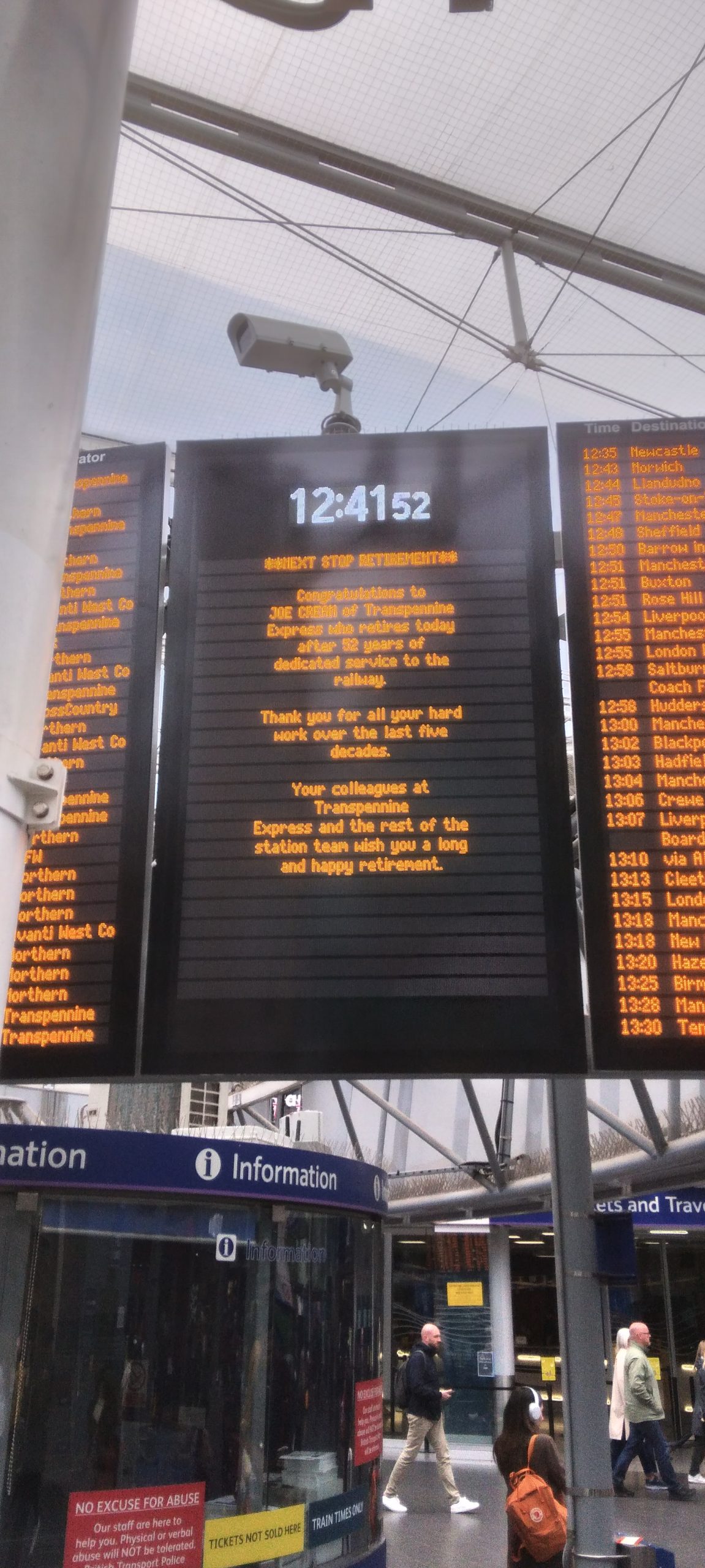
For generations, the narrative of adulthood has been structured around a rigid, three-act play: education, career, and finally, retirement. We are raised to believe that if we work hard enough for forty years, we earn the right to stop. We treat “retirement” as a finish line—a golden reward for a lifetime of labor. But in a rapidly shifting global economy, this model is becoming not only outdated but potentially detrimental to our long-term fulfillment.
The distinction between labor and leisure is dissolving. We are moving toward a reality where the “stop button” is replaced by a continuous cycle of self-improvement, project-based contributions, and lifelong learning. This is not about working until you drop; it is about reclaiming your autonomy and integrating your passions into your daily existence so that you never feel the need to “retire” from a life you enjoy living.
Key Concepts
To move beyond the retirement paradigm, we must first understand the Fluid Life Model. In this framework, your identity is not tied to a singular profession, but to a portfolio of skills and interests. Instead of climbing a singular corporate ladder, you are building a lattice of experiences.
Labor vs. Leisure Integration
Historically, labor was the “price” we paid to afford leisure. Today, the most successful individuals treat their work as a form of creative expression. When work is aligned with personal curiosity, the boundary between “on the clock” and “off the clock” becomes porous. You are not working less; you are working with more intent and less friction.
The Skill-Based Identity
When you define yourself by your job title—”I am a Marketing Manager”—you become vulnerable to industry shifts. When you define yourself by your capabilities—”I am a strategist, a writer, and a mentor”—you become portable. A skill-based identity allows you to pivot, experiment, and continue growing regardless of your age or the state of the economy.
Step-by-Step Guide: Transitioning to the Fluid Life
Audit your “Unpaid” Interests: Identify the topics you spend your free time researching. These are your true north stars. Your goal is to find ways to monetize or contribute in these areas, turning your leisure into a form of active engagement.
Adopt a “Portfolio Career”: Stop looking for one employer to satisfy all your needs. Begin cultivating a mix of consulting, side projects, teaching, and independent research. This creates a diversified “income and purpose” portfolio that is resilient to disruption.
Prioritize “Just-in-Time” Learning: Abandon the idea of “getting a degree” and being done. Adopt a mindset of continuous skill acquisition. Learn a new software, language, or philosophy only when it serves an immediate project or goal.
Redefine “Rest”: In the retirement-less world, rest is not the absence of work; it is the recalibration of energy. Move away from “passive consumption” (television, endless scrolling) toward “active recovery” (meditation, physical training, creative hobbies) that sharpens your edge.
Build a Community of Peers, Not Colleagues: Move your social circles away from office-based relationships and toward interest-based communities. This ensures that your social life remains intact even as your professional focus shifts.
Examples and Real-World Applications
Consider the modern “Expert-Creator.” We see this in professionals like the former software engineer who transitions into a specialized consultant, then to an author, and finally to a mentor for startups. They never “retired.” Instead, they evolved. Their work became lighter and more impactful over time, shifting from 60-hour weeks of grunt work to 15-hour weeks of high-level advisory work.
The most successful individuals today are those who have successfully blurred the lines between their hobbies, their professional output, and their intellectual growth.
Another example is the “Serial Entrepreneur-Scholar.” This individual builds a business, exits, uses the proceeds to fund a year of intensive study in history or art, and then launches a second, entirely different venture inspired by that study. This is the antithesis of the traditional retirement model; it is a life of episodic intensity rather than a slow decline into leisure.
Common Mistakes
The Productivity Trap: Many people mistake “doing” for “being.” If you fill every waking hour with tasks, you aren’t living a fluid life; you are just working a longer, more exhausting career. Ensure that your “continuous improvement” includes space for stillness.
Ignoring Physical Capital: You cannot sustain a high-performance, lifelong learning model if your body fails. Your physical health is the infrastructure for your intellectual and creative output. Neglecting sleep, nutrition, or movement for the sake of “output” is a short-term strategy.
Isolation: The traditional workplace provides built-in social structures. When you move to a self-directed, fluid model, you must actively engineer your social environment. Failing to do so can lead to profound isolation.
Financial Rigidity: If you plan for a “retirement date” at 65, you are saving differently than if you plan for a “life of continuous contribution.” Ensure your financial planning accounts for longevity and the ability to pivot careers, not just a lump sum for a permanent vacation.
Advanced Tips
Leverage AI as an Extension of Self: Use artificial intelligence not just to do your work, but to expand your cognitive reach. By automating the mundane tasks of your current professional focus, you free up the bandwidth to explore the next frontier of your personal growth.
Practice “Micro-Retirements”: Instead of saving all your time off for the end of your life, take a one-month sabbatical every three years. Use this time to completely change your environment, learn a new skill, or pursue a passion project. This prevents burnout and keeps your perspective fresh.
Build a Personal Brand: In a world without a traditional retirement, your reputation is your currency. Document your learning process, share your insights, and build a digital footprint. This makes you “findable” for opportunities that don’t even exist yet, ensuring you always have a place to contribute.
Conclusion
The concept of retirement is a relic of the industrial age, a time when labor was physically grueling and the goal of life was to escape the factory floor. We live in an information age where the mind is our primary tool. When your work is intellectual and creative, there is no “wearing out” point.
By shifting your mindset from “retiring from work” to “curating a life of continuous evolution,” you gain a level of freedom that traditional retirement could never offer. You stop waiting for the weekend, and you stop waiting for your 60s to start living. Instead, you build a life that is so engaging, so intellectually stimulating, and so deeply personal that the idea of stopping altogether becomes entirely unappealing. You are not working toward an end; you are working toward a perpetual state of becoming.