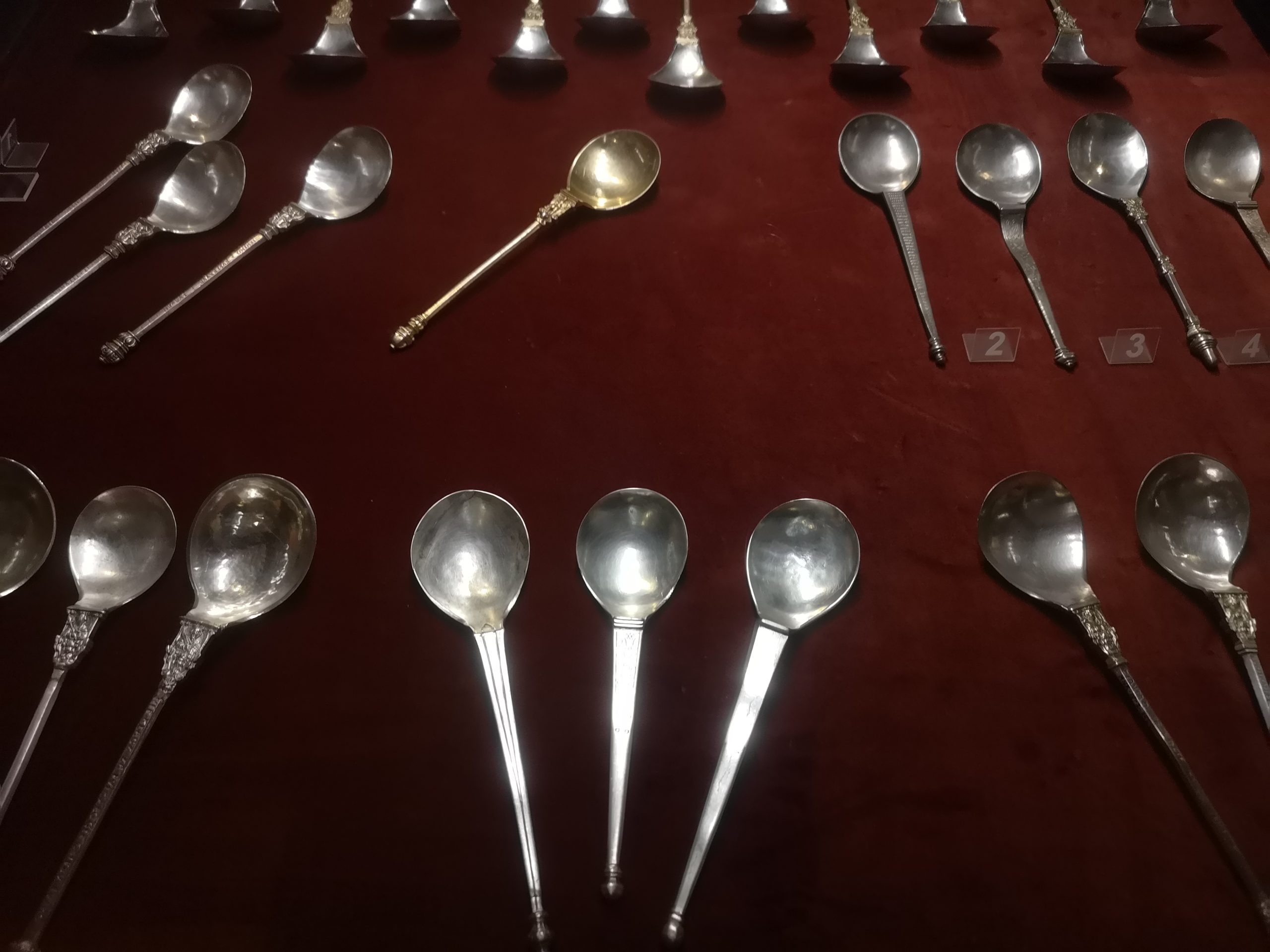
The Renaissance of the Human Touch: Why Artisanal Production Matters
Introduction
In an era defined by hyper-automation, global supply chains, and the rapid-fire delivery of mass-produced goods, we have reached a saturation point of convenience. Every item in our homes—from our smartphones to our coffee mugs—is often the result of robotic precision. Yet, there is a quiet, growing counter-movement. Artisanal production, once the only way humans created tools and art, has shifted from a necessity of survival to a deliberate, cherished leisure activity.
This shift is not merely about nostalgia; it is a psychological and social response to the depersonalization of modern life. When we engage in artisanal work—whether it is woodworking, pottery, leather crafting, or small-batch bread baking—we reclaim a sense of agency. We are moving from being passive consumers to active creators. This article explores why this transition is vital for modern adults and how you can integrate the “human touch” into your own life to foster creativity and mental well-being.
Key Concepts
To understand the resurgence of artisanal production, we must first define the core philosophy behind it. Artisanal production centers on intentionality. Unlike industrial manufacturing, which prioritizes speed, cost-reduction, and uniformity, artisanal work celebrates the unique characteristics of raw materials and the imperfections of the human hand.
Materiality is the second pillar. In a digital-first world, our work is often abstract—moving data on screens or managing spreadsheets. Artisanal activity forces us to engage with the physical world. The tactile feedback of grain in wood, the malleability of clay, or the scent of tanned leather provides a sensory grounding that digital tasks cannot replicate.
Finally, there is the concept of “Slow Production.” This is the antithesis of the “fast fashion” and “disposable economy” models. It is the understanding that a product’s value is intrinsically linked to the time, focus, and skill invested in its creation. By choosing to make something rather than buy it, we re-establish a connection between effort and outcome, which is often severed in the modern workplace.
Step-by-Step Guide: Starting Your Artisanal Journey
If you feel the pull to create, the barrier to entry is often lower than you imagine. Follow these steps to transition from a consumer to an artisan.
Select a Medium Based on Your Environment: Do not choose blacksmithing if you live in a studio apartment. Consider the space you have. If you have a desk, focus on leatherwork or bookbinding. If you have a garage, look into woodworking or metalwork. Choose a craft that fits your living situation to ensure consistency.
Acquire High-Quality Essential Tools: Avoid the trap of buying “all-in-one” beginner kits that use low-quality steel or plastics. Research the three most vital tools for your chosen craft and buy the best you can afford. A sharp, well-maintained tool makes the learning process enjoyable; a dull, cheap tool makes it frustrating.
Master the Fundamentals Through Immersion: Do not attempt to build a complex mahogany cabinet on your first day. Start with small, functional objects. If you are learning woodwork, make a simple box. If you are learning leatherwork, make a card wallet. Master the joinery or the stitching before moving to aesthetics.
Establish a “Flow State” Ritual: Artisanal work is a meditative practice. Set aside a specific time—perhaps Saturday mornings—where you disconnect from your phone, put on music or a podcast, and commit to working without distractions.
Document and Reflect: Keep a journal of your projects. Note what went wrong, what you learned, and how the material reacted to your touch. This turns a hobby into a skill-building discipline.
Examples and Real-World Applications
The application of artisanal skills extends far beyond the satisfaction of a finished product. It fundamentally changes how we interact with the world around us.
The true value of artisanal production lies not in the object created, but in the transformation of the creator. When you understand the labor required to make a chair, you never look at furniture the same way again.
Case Study 1: The Corporate Professional and Woodworking. A senior software engineer, exhausted by the ethereal nature of code, began weekend woodworking. He found that the tactile requirement of measuring to the millimeter helped him develop a different kind of precision in his professional life. He noted that the “unplugged” time allowed his brain to solve coding architecture problems that had stumped him all week.
Case Study 2: The Urban Gardener and Preserving. Many adults are turning to artisanal food production, such as sourdough baking or home-fermenting vegetables. This is a practical application of artisanal skill that directly impacts health. By controlling the ingredients and the process, these individuals are opting out of the hyper-processed food cycle, gaining a deeper understanding of nutrition and biology.
Common Mistakes
Transitioning into artisanal work comes with predictable pitfalls. Avoiding these will save you time and money.
Over-investing in Gear: Beginners often purchase thousands of dollars in machinery before they even know if they enjoy the process. Start with hand tools to learn the fundamentals of the material before relying on power tools.
Ignoring Safety Protocols: In a machine-made world, we forget that sharp tools and heavy materials can be dangerous. Respect the craft by learning proper safety techniques first. Cutting corners here leads to injury and burnout.
Obsessing Over Perfection: The goal of artisanal work is the “human touch,” not factory-standard perfection. Beginners often scrap projects because of minor imperfections. Learn to embrace the “wabi-sabi”—the Japanese philosophy of finding beauty in imperfection.
Comparing Your Beginning to Someone Else’s Middle: Social media is filled with master artisans. Do not compare your first attempt to their tenth year of practice. Measure your progress against your previous project, not against an Instagram influencer.
Advanced Tips
Once you have moved past the beginner phase, you can elevate your practice to a higher level of mastery.
Source Your Own Materials: The ultimate artisan understands the supply chain. If you are a woodworker, look for reclaimed lumber from local barns. If you are a weaver, look for raw wool from local farms. Sourcing your own materials adds a narrative layer to your work and connects you to your local environment.
Learn the Science Behind the Craft: Don’t just follow instructions; understand the chemistry and physics. Learn why a certain type of glue holds better in humidity, or why a specific dough hydration level changes the crumb structure of your bread. This shifts you from a hobbyist to a practitioner of a craft.
Teach Others: There is no better way to solidify your understanding of a process than by teaching it. Mentoring a friend or hosting a small workshop forces you to articulate the “why” behind your techniques, deepening your own expertise.
Conclusion
Artisanal production is more than just a leisure activity; it is a vital rebellion against the homogenization of modern life. It provides a necessary outlet for our innate human desire to build, to solve, and to create. By stepping away from the screen and engaging with the physical world, we do more than just produce goods—we cultivate patience, sharpen our focus, and restore a sense of purpose to our daily routines.
Whether you choose to carve, stitch, bake, or forge, the journey toward mastery is one of the most rewarding paths an adult can take. Start small, be consistent, and honor the process. In a world of mass production, the most radical act you can perform is to create something slowly, carefully, and with your own two hands.