Building Bridges: How Shared Public Spaces and Aesthetic Infrastructure Foster Social Cohesion
Introduction
In an era defined by digital fragmentation and increasing urban isolation, the physical environment we share has never been more critical. We often view parks, plazas, and transit hubs simply as utilitarian necessities—empty space between point A and point B. However, social cohesion—the strength of relationships and the sense of solidarity among members of a community—is not an abstract concept. It is built, quite literally, in the spaces where we interact.
When communities collectively manage their public spaces and invest in intentional, aesthetic infrastructure, they do more than beautify a neighborhood. They create “social infrastructure.” These environments act as the “third places” outside of home and work where disparate groups intersect, reducing prejudice and fostering a sense of shared ownership. This article explores how we can leverage the design and management of our built environment to strengthen the social fabric of our cities.
Key Concepts
To understand how infrastructure influences social dynamics, we must look at two primary pillars: Collective Management and Aesthetic Infrastructure.
Collective Management refers to the participatory process of maintaining and governing public spaces. When residents are involved in the design, upkeep, or programming of a space, they transition from passive users to active stewards. This shift is psychological; it builds trust among neighbors and creates a shared responsibility that transcends individual property lines.
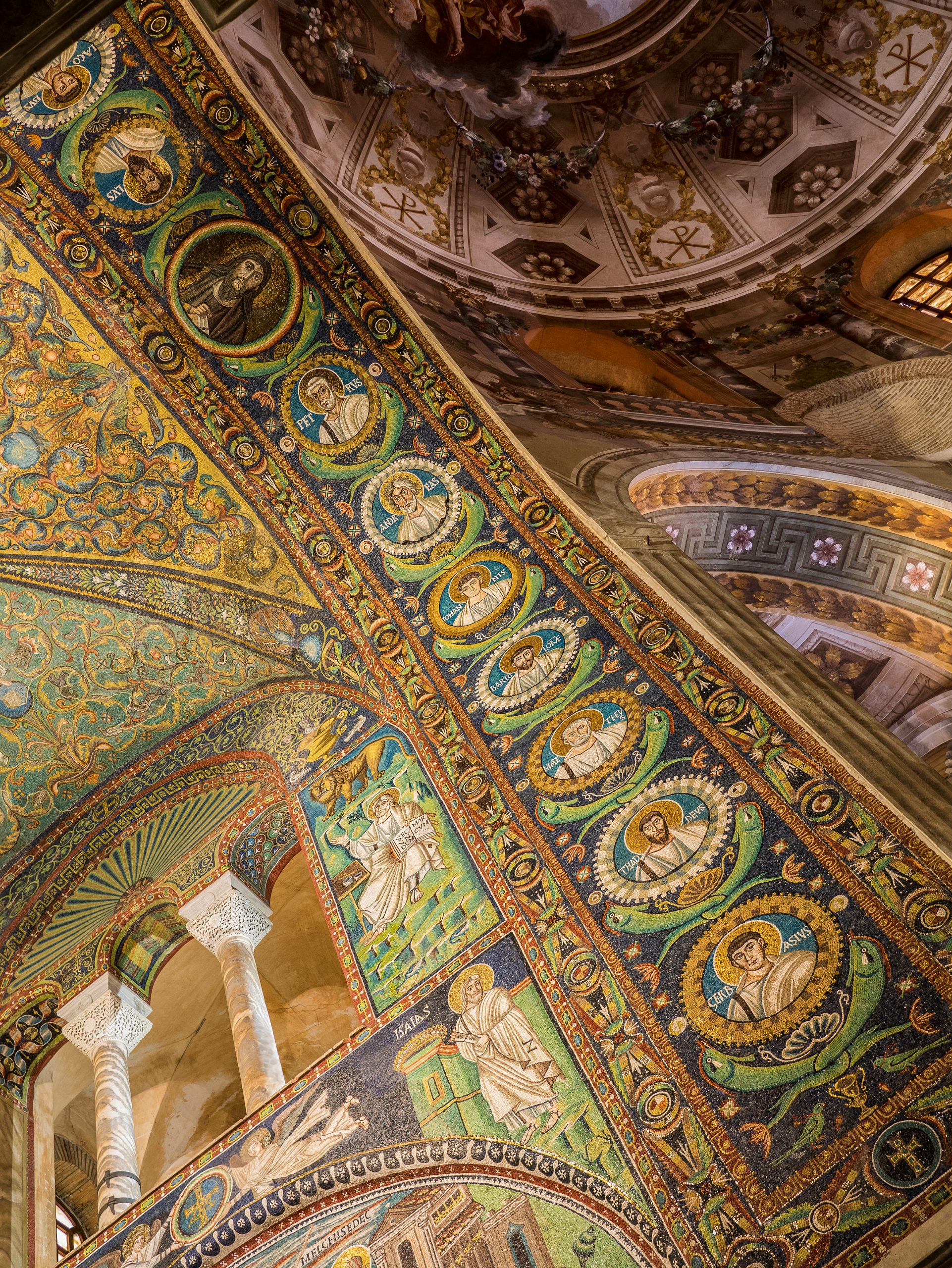
Aesthetic Infrastructure is the intentional use of design, art, and architecture to elevate the experience of public space. It is not about luxury or elitism; it is about “dignity by design.” When infrastructure—such as bridges, bus stops, or lighting—is treated with aesthetic care, it signals that the community is valued. This discourages vandalism, increases foot traffic, and creates a welcoming atmosphere that invites interaction between different demographic groups.
Step-by-Step Guide: Fostering Cohesion Through Public Spaces
Transforming a neglected corner or a sterile transit hub into a cohesive community asset requires a structured approach. Follow these steps to initiate change in your local environment:
Identify Underutilized Assets: Scan your neighborhood for spaces that are currently “dead zones”—vacant lots, neglected alleys, or poorly lit parks. These are opportunities for transformation.
Conduct a Participatory Audit: Host a meeting with diverse stakeholders, including local business owners, elderly residents, and youth. Ask: “What is missing here?” and “What would make you feel safer or more welcome?”
Implement “Tactical Urbanism”: Before investing in permanent, expensive infrastructure, use low-cost, temporary interventions. Use paint, planters, or movable seating to test how people use a space. This builds momentum and gathers data without high financial risk.
Establish a Stewardship Committee: Create a formal group responsible for the space’s upkeep. This could be a “Friends of the Park” group or a local street-beautification committee. The act of gathering to weed, paint, or host events is where social bonds are forged.
Institutionalize Aesthetic Standards: Advocate for local policy that mandates high-quality design for public infrastructure. Ensure that benches are comfortable, lighting is warm and sufficient, and that local artists are commissioned for public murals or structural installations.
Program the Space: A beautiful space that sits empty is not social infrastructure. Schedule recurring events—farmers’ markets, open-mic nights, or neighborhood cleanup days—to ensure the space remains a hub of human interaction.
Examples and Case Studies
The impact of intentional infrastructure is well-documented in global urban planning success stories.
The High Line (New York City): Originally a derelict elevated railway, the High Line was transformed through collective advocacy and high-concept aesthetic design. It became an international destination, but more importantly, it created a continuous, accessible “green corridor” that forced daily interaction between residents of different socio-economic backgrounds who previously lived in silos.
Medellín’s Library Parks (Colombia): Once one of the most dangerous cities in the world, Medellín invested in world-class, aesthetically stunning library complexes in the poorest, most isolated neighborhoods. By placing high-quality architecture in marginalized areas, the city sent a message of inclusion. These buildings became focal points for civic pride, drastically reducing crime and increasing social cohesion by providing youth with safe, dignified alternatives to street life.
The “Porch Light” Program (Philadelphia): This initiative used mural arts as a catalyst for community dialogue. By involving residents in the process of designing murals that reflected their shared history, the program fostered deep connections among neighbors, proving that aesthetic projects can act as a bridge for difficult conversations.
Common Mistakes
The “Top-Down” Approach: Planners often design for a community rather than with them. If residents don’t feel a sense of ownership, the space will likely be ignored or vandalized.
Neglecting Maintenance: An aesthetic project that falls into disrepair creates a “broken window” effect, signaling to the community that the space is abandoned. Maintenance is a form of social communication.
Designing for Segregation: Infrastructure that prioritizes speed (like massive highway overpasses) over human connection (like walkable plazas) will always inhibit social cohesion.
Ignoring Accessibility: If a beautiful space cannot be reached or used by everyone—including the elderly, the disabled, or those without money to spend—it is not truly public.
Advanced Tips
To move from basic maintenance to true community integration, consider these advanced strategies:
Leverage “Nudge” Theory in Design: Small environmental cues can encourage positive social behavior. Placing permanent chess tables or shared reading kiosks creates natural friction points where strangers are likely to pause and engage in conversation.
Create Micro-Economies: Integrate small-scale, affordable retail spaces (like kiosks or pop-up stands) into public infrastructure. When local entrepreneurs operate in public spaces, they provide a “reason” for people to linger, which in turn increases the number of “eyes on the street” and improves safety.
Prioritize Lighting and Sightlines: Social cohesion relies on safety. Aesthetic infrastructure should prioritize “warm light” over harsh, industrial glare. Clear sightlines—where you can see who is coming and going—reduce anxiety and encourage people to linger longer, increasing the probability of social interaction.
True social cohesion is not the absence of difference, but the presence of shared, accessible environments that allow us to navigate those differences together. When we build for beauty and manage for the collective, we build the foundation for a resilient democracy.
Conclusion
Social cohesion is not a naturally occurring phenomenon; it is a byproduct of the environments we inhabit. When we move beyond viewing infrastructure as mere concrete and steel, we begin to see it as the skeletal structure of our community life. By championing the collective management of public spaces and insisting on aesthetic dignity in our urban design, we can reverse the trend of social fragmentation.
Start small. Engage your neighbors, advocate for better lighting, turn a vacant lot into a garden, or simply demand more comfortable seating in your transit hubs. By reclaiming our public spaces, we are not just improving our neighborhoods—we are rebuilding the social fabric, one intentional project at a time.