1. Introduction: Defining the shift from market-based value (price-discovery) to post-market metrics (utility-based). 2. Key Concepts: Deconstructing exchange-based value vs. intrinsic/utility value. 3. Step-by-Step Guide: How organizations and individuals can prepare for a non-market economic environment. 4. Examples & Case Studies: Open-source ecosystems and circular economy models as precursors. 5. Common Mistakes: Misinterpreting “free” as “valueless” and ignoring resource scarcity. 6. Advanced Tips: Leveraging reputation capital and data-driven resource allocation. 7. Conclusion: The transition as a structural evolution rather than a collapse.
***
Beyond the Price Tag: Navigating the Obsolescence of Exchange-Based Value
Introduction
For centuries, the global economy has operated under a singular, rigid assumption: value is defined by what someone is willing to pay for an object or service. This “exchange-based” metric relies on scarcity, price discovery, and the intermediary of currency to determine worth. However, we are currently witnessing a profound transition. As digital abundance, automation, and decentralized production models proliferate, the traditional market-based system is showing signs of structural fatigue.
The gradual obsolescence of exchange-based value metrics is not merely a theoretical shift; it is a practical reorientation of how we produce, distribute, and consume resources. Understanding this transition is essential for professionals, investors, and policymakers who wish to remain relevant in an economy that is increasingly prioritizing utility and access over ownership and price.
Key Concepts
To understand the shift, we must first define the two competing frameworks: exchange-based value and utility-based value.
Exchange-Based Value: This is the hallmark of the industrial age. Value is determined by the market price—the point where supply meets demand. If a product is scarce, its price rises, and its value is perceived as higher. This model requires a medium of exchange (money) to function and relies heavily on the concept of private ownership.
Utility-Based Value: In contrast, utility-based value focuses on the functional benefit provided by a resource. In a post-market context, the “value” of a piece of software, a shared piece of hardware, or an open-source design is not determined by its price tag, but by its capacity to solve a problem or enhance productivity. As marginal costs for digital and automated goods trend toward zero, the market’s ability to “price” these goods effectively vanishes, forcing a shift toward metrics based on availability, reliability, and social impact.
Step-by-Step Guide: Adapting to the Post-Market Shift
Transitioning from a mindset of “what can I sell this for” to “how can I maximize the utility of this resource” requires a fundamental change in strategy. Follow these steps to align with the emerging economic landscape:
Audit Your Resource Dependency: Identify which parts of your operations rely on artificial scarcity (e.g., proprietary licensing or gated data). Begin exploring open-source alternatives that prioritize access over exclusivity.
Shift from Ownership to Access: Move away from purchasing assets that sit idle. Instead, plug into “access-as-a-service” models where the metric of success is uptime and utility, not the acquisition of property.
Measure Impact via Utility Metrics: Replace revenue-per-unit metrics with utility-based KPIs. Ask: How many people does this resource serve? How much time does it save? What is the degradation rate of the resource under shared use?
Build Reputation Capital: In a world where price is no longer the primary signal, trust becomes the currency. Invest in transparent, verifiable processes that build a reputation for reliability and contribution to the common pool.
Decentralize Distribution: Use distributed ledger technology or decentralized autonomous organizations (DAOs) to manage resource allocation. This removes the need for price-based intermediaries and streamlines the distribution of goods based on actual need.
Examples and Case Studies
The transition is already visible in isolated sectors. We can look to these examples to understand how non-market systems function.
The Open-Source Software Ecosystem: Linux and similar open-source projects operate almost entirely outside the traditional market-based pricing model. The “value” of the Linux kernel is not derived from its market price—which is zero—but from its utility and the massive collaborative effort that maintains it. Companies that contribute to these projects do so because the utility provided by the software outweighs the cost of maintaining it, proving that value can exist without a direct exchange price.
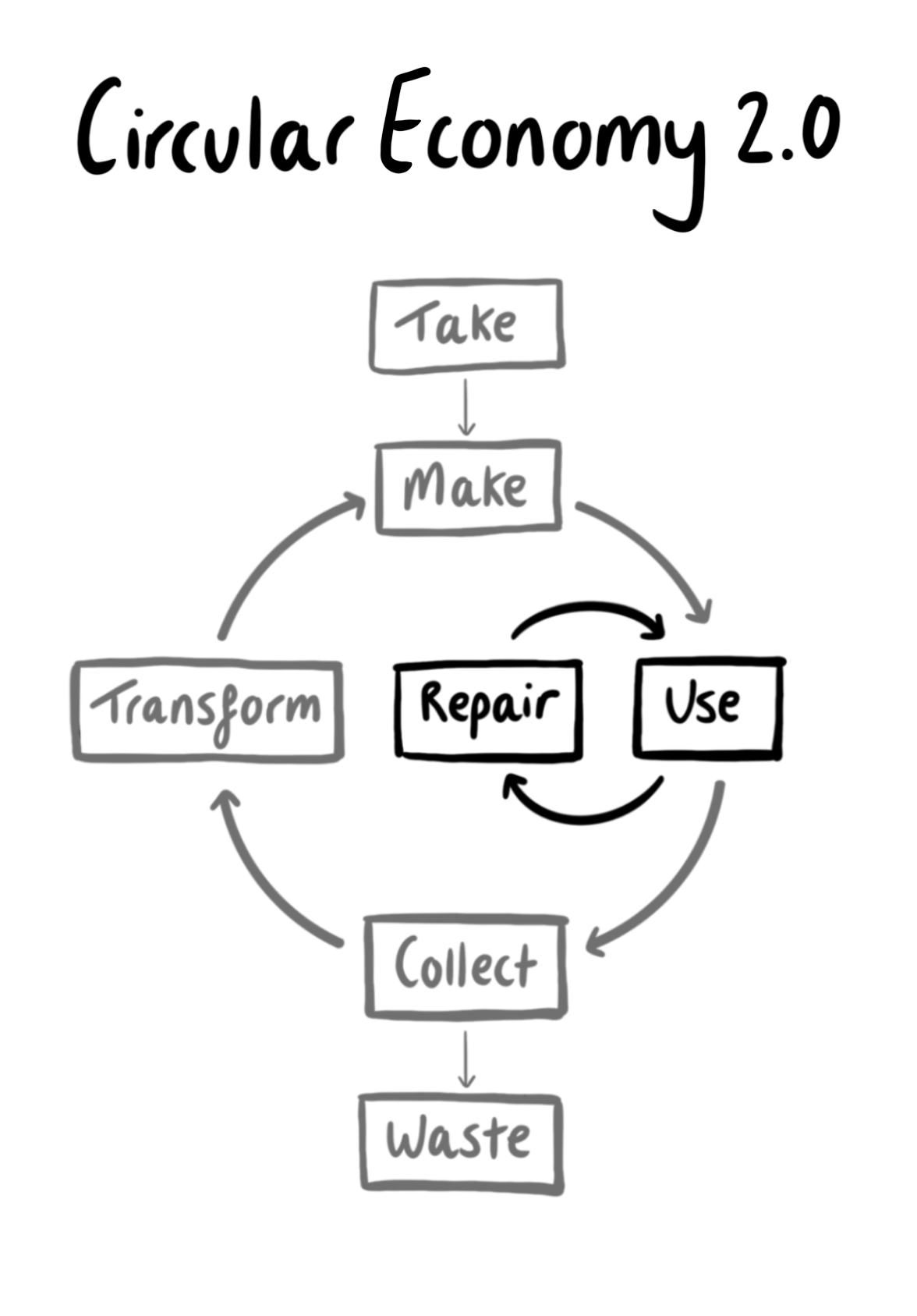
Circular Economy Initiatives: In certain manufacturing sectors, companies are shifting toward “product-as-a-service” models. Instead of selling a light fixture, a company sells “illumination.” The manufacturer retains ownership of the hardware and is responsible for its maintenance and eventual recycling. This aligns the manufacturer’s incentives with the longevity and utility of the product rather than planned obsolescence to drive repeat sales.
Common Mistakes
Moving away from market-based systems is fraught with misunderstandings. Avoid these common pitfalls:
Confusing “Zero Price” with “Zero Value”: Just because something is free doesn’t mean it is worthless. The most important infrastructure in the modern world—the internet, open-source code—is effectively “free” at the point of use, yet it constitutes the backbone of global wealth.
Ignoring Resource Scarcity: While digital goods may have zero marginal costs, physical resources (energy, raw materials) do not. A successful transition must still account for the physical constraints of the planet, even if the price mechanism is no longer the primary rationing tool.
Over-relying on Centralized Oversight: Attempting to replace market price signals with top-down bureaucratic control is a recipe for failure. The transition requires decentralized coordination, not state-planned rationing.
Underestimating the Role of Trust: Without a price tag to signal quality, you must have robust mechanisms for social verification. If you ignore the importance of reputation, you will struggle to participate in non-market networks.
Advanced Tips
To truly master the post-market environment, look beyond the surface of current economic trends.
The most successful players in the coming decades will be those who master the art of “contribution-based” value. When you contribute to a shared resource, you increase the utility for everyone, including yourself. This creates a positive-sum game that is far more resilient than the zero-sum nature of traditional market competition.
Furthermore, focus on Data-Driven Resource Allocation. In the absence of price signals, we must rely on real-time data to understand demand. IoT sensors and real-time usage analytics can provide a more accurate picture of where resources are needed than price fluctuations ever could. By optimizing for flow rather than profit, you can achieve a level of efficiency that traditional markets struggle to match.
Conclusion
The transition from market-based systems is not a sudden collapse, but a long-term evolution. As technology continues to lower the cost of production and communication, the reliance on exchange-based metrics will inevitably decline. By shifting our focus from the transaction to the utility, we can build systems that are more efficient, more collaborative, and better suited to the challenges of the 21st century.
The key takeaway is this: Value is becoming synonymous with functionality and accessibility. Whether you are a business leader or an individual, the goal should be to position yourself within networks that prioritize the creation and sharing of utility. Those who cling to the old models of artificial scarcity will eventually find themselves obsolete, while those who embrace the new metrics of utility will define the next era of human economic activity.