Outline:1. Introduction: Defining the concept of P2P augmentation in modern distribution.2. Key Concepts: Distinguishing between centralized delivery (CDN/Server) and decentralized sharing (P2P).3. Step-by-Step Guide: How to implement a hybrid P2P-CDN architecture.4. Real-World Applications: Use cases from software updates to video streaming.5. Common Mistakes: Over-reliance on clients, security blind spots, and NAT traversal issues.6. Advanced Tips: Protocol optimization and incentive structures.7. Conclusion: The future of bandwidth efficiency.***
Peer-to-Peer Sharing Networks: Augmenting Primary Distribution Systems
Introduction
The modern digital landscape is defined by a massive, insatiable demand for content. Whether it is a multi-gigabyte software patch, a high-definition video stream, or a massive dataset for machine learning, centralized servers are increasingly becoming the bottleneck of the internet. When thousands of users attempt to access the same data simultaneously, even the most robust Content Delivery Networks (CDNs) face latency spikes and rising infrastructure costs.
Peer-to-peer (P2P) sharing networks offer a solution to this scalability crisis. Rather than treating clients as passive recipients of data, P2P augmentation transforms every endpoint into a distribution node. By utilizing the idle bandwidth of those who have already downloaded the content, the primary distribution system is offloaded, resulting in faster download speeds, lower operational costs, and superior resilience against traffic surges.
Key Concepts
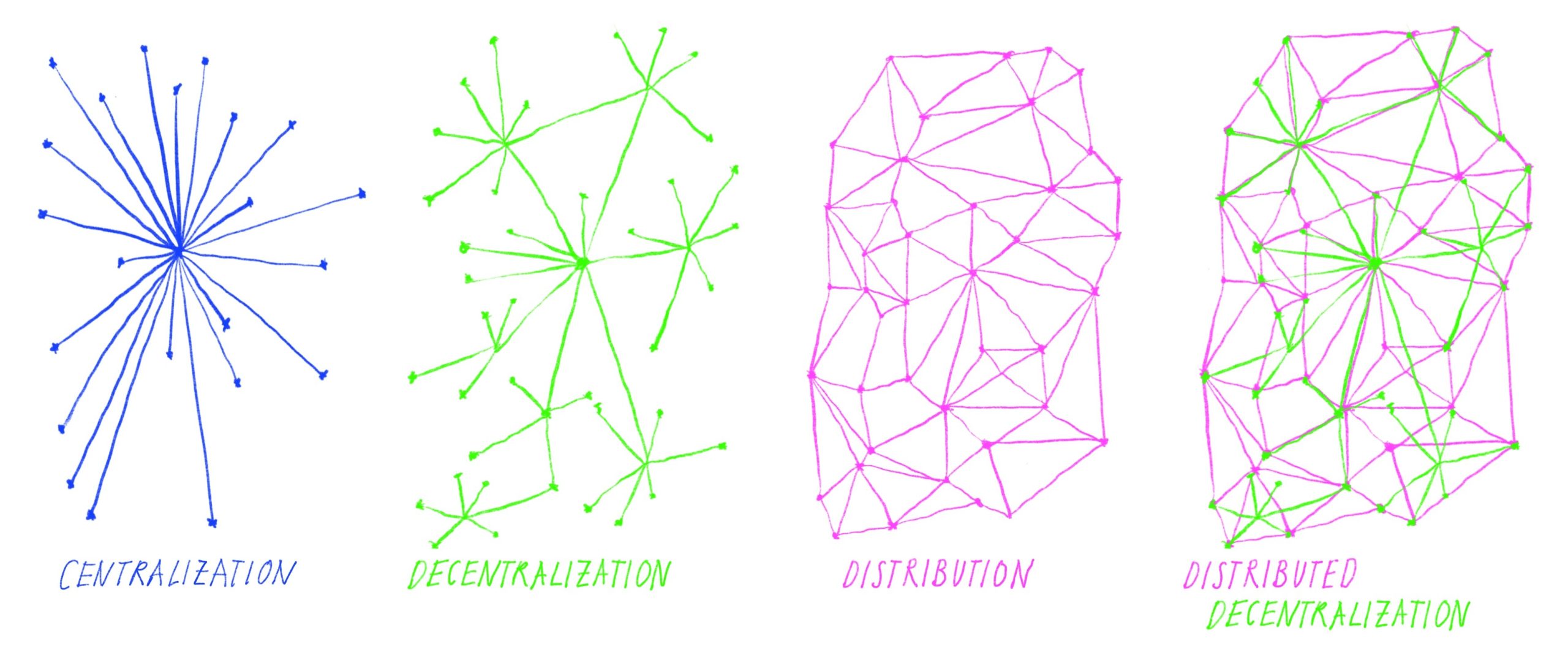
To understand P2P augmentation, one must first distinguish it from traditional client-server architecture. In a traditional model, the server (or CDN edge node) is the sole source of truth. Every client requests data directly from this source. This creates a linear relationship where cost and bandwidth consumption scale directly with the number of users.
P2P augmentation introduces a hybrid model. In this setup, the primary server acts as the “seed” or the initial source. As clients (peers) receive chunks of the data, they simultaneously become mini-servers for other clients. The network behaves like a mesh, where data is distributed laterally across the user base rather than vertically from a central point.
Key components of this system include:
Tracker/Discovery Service: A lightweight mechanism that helps peers find other peers who possess the specific data chunks they need.
Chunking/Segmentation: Breaking large files into smaller, verifiable segments (often using cryptographic hashes) to allow for non-sequential downloading.
Swarming: The process where multiple peers download and upload simultaneously, maximizing the aggregate throughput of the network.
Step-by-Step Guide
Implementing a hybrid P2P-CDN system requires a thoughtful approach to ensure security, efficiency, and user experience. Follow these steps to architect an augmented distribution network:
Segment Your Assets: Divide your files into small, equal-sized pieces. Use Merkle trees or similar cryptographic hashing methods to ensure that each chunk is verified for integrity as it is received from other peers.
Implement a Peer Discovery Protocol: Utilize a Distributed Hash Table (DHT) or a centralized tracker to manage peer lists. The tracker keeps a record of which IP addresses are currently “seeding” which chunks.
Deploy a Hybrid Client Agent: Integrate a lightweight P2P client into your primary application. This agent must have the logic to prioritize local network (LAN) peers first to minimize ISP transit costs, followed by global internet peers.
Set Bandwidth Throttling Policies: To ensure the end-user experience remains uninterrupted, implement intelligent bandwidth management. The P2P agent should only utilize a small, non-intrusive percentage of the user’s upload capacity.
Fall-back Mechanisms: Always maintain a direct connection to the primary CDN as a fail-safe. If a peer cannot find enough neighbors to complete a download within a specific time threshold, the client should automatically switch to the primary server.
Examples or Case Studies
The most prominent real-world application of this technology is found in the gaming industry. Companies like Blizzard Entertainment and Valve (Steam) utilize P2P augmentation to distribute game updates to millions of users simultaneously. When a new patch is released, the massive server load is offloaded to the community, allowing the download speed to actually increase as more users participate in the swarm.
Another compelling application is in enterprise software distribution. Large organizations often struggle to update thousands of workstations without crashing their internal corporate networks. By using internal P2P distribution, a single workstation can download an update from the office server, and every other machine in that office pulls the update from the first machine via the LAN, effectively turning an office-wide update into a local traffic event rather than a massive external bandwidth drain.
P2P augmentation effectively turns your user base into an extension of your infrastructure, turning the challenge of high demand into the solution for efficient distribution.
Common Mistakes
While P2P augmentation is powerful, it is easy to misconfigure. Avoiding these common pitfalls is essential for a stable deployment:
Ignoring NAT Traversal: Most users are behind firewalls or routers that block incoming connections. If your P2P system does not implement STUN or TURN protocols to punch through these firewalls, the network will be restricted to a tiny fraction of users with open ports.
Security Oversights: Allowing clients to act as servers introduces the risk of “poisoning” attacks, where a malicious peer sends corrupt data chunks. Always verify chunks against a manifest of hashes provided by your trusted, central server.
Aggressive Resource Consumption: If your P2P client consumes too much CPU or bandwidth, users will experience system slowdowns and uninstall your software. Always favor a conservative approach to resource allocation.
Lack of Incentive Structures: In public networks, peers may disconnect as soon as their download is complete. Implementing “tit-for-tat” algorithms—where peers only upload to those who also upload to them—ensures the network remains healthy.
Advanced Tips
To move beyond basic implementation, consider the following advanced strategies to optimize performance:
Latency-Aware Peer Selection: Configure your client to prefer peers with the lowest round-trip time (RTT). This keeps the traffic “closer” to the user, reducing the load on international backbones and improving overall speed.
In-Network Caching: If you are deploying this within a managed environment (like an ISP or a large enterprise), deploy dedicated “Super-nodes” or caches that stay online permanently. These nodes act as high-availability hubs, ensuring that even if the swarm is small, there is always a reliable source available.
Protocol Flexibility: Consider using WebRTC for browser-based P2P distribution. WebRTC allows for P2P data transfer directly between web browsers without requiring the user to install additional plugins, which significantly lowers the barrier to entry for users participating in your network.
Conclusion
Peer-to-peer sharing networks represent a shift in how we think about distribution. By moving away from the “one-to-many” model toward a “many-to-many” model, organizations can drastically reduce infrastructure costs while simultaneously improving the speed and reliability of their content delivery.
The key takeaway is that P2P augmentation is not a replacement for traditional CDNs, but a powerful, cost-effective layer of redundancy and efficiency. When implemented with careful attention to security, NAT traversal, and user experience, it transforms the burden of heavy traffic into a collaborative, high-performance distribution ecosystem.









One thought on “Peer-to-Peer Sharing Networks: Scaling Distribution Efficiency”