AI in Circular Economy: Managing Product Lifecycles for 2026
— by
Steven Haynes
The Circular Revolution: How AI Monitors Product Lifecycles for a Sustainable Future
Introduction
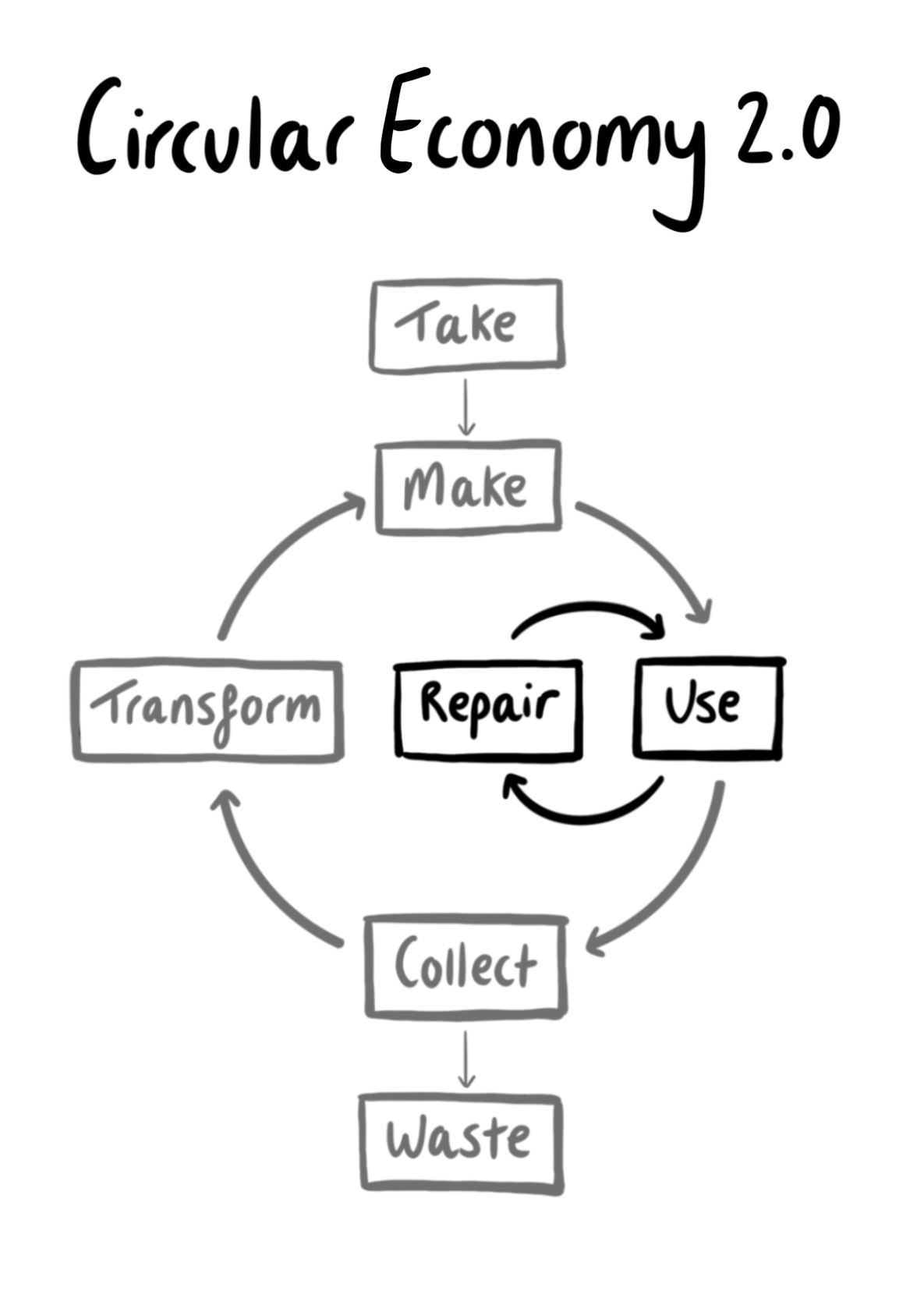
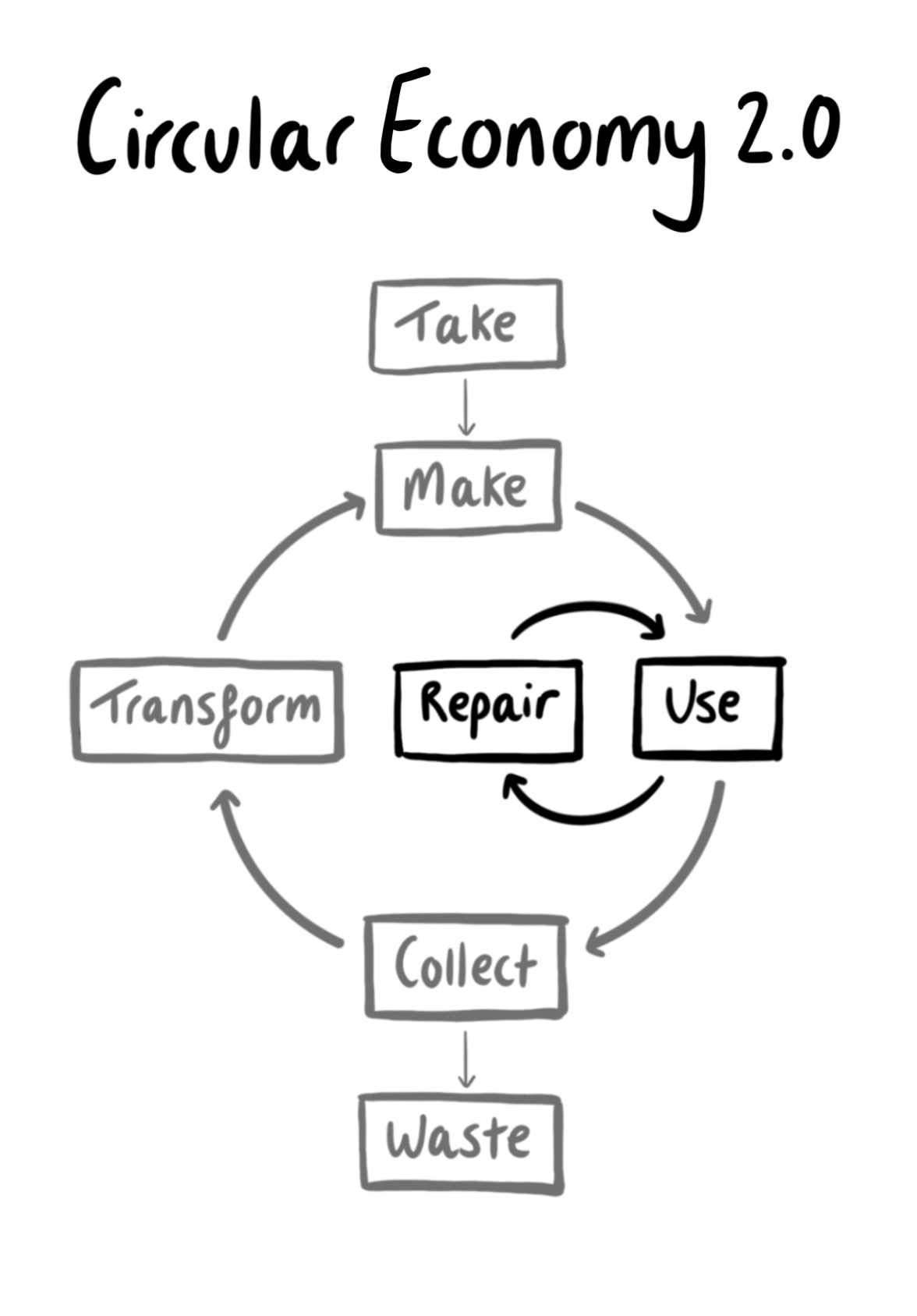
For decades, the global economy has operated on a “take-make-waste” model. We extract raw materials, manufacture products, and eventually discard them into landfills. This linear approach is reaching its breaking point. As resource scarcity tightens and environmental regulations become more stringent, industries are pivoting toward a circular economy—a system where products are designed to be reused, refurbished, or recycled.
The missing link in this transition has historically been data. How do you track a smartphone after it leaves the store? How do you know the precise chemical composition of a plastic component after ten years of use? Artificial Intelligence (AI) is the answer. By monitoring the lifecycle of every product from raw material to end-of-life, AI is turning waste into a resource, enabling a closed-loop system that was previously impossible at scale.
Key Concepts
To understand how AI facilitates circularity, we must look at three core technological pillars: Digital Product Passports (DPPs), Computer Vision, and Predictive Analytics.
Digital Product Passports (DPPs)
A Digital Product Passport is a virtual record that contains all the data about a product’s origin, material composition, and repair history. AI acts as the “brain” behind these passports, aggregating data from the supply chain to ensure that when a product reaches the end of its life, recyclers know exactly what materials are inside and how to separate them.
Computer Vision for Automated Sorting
Traditional recycling facilities rely on manual labor or basic infrared sensors, which often fail to identify complex multi-material items. AI-powered computer vision systems can identify individual brands, material grades, and even specific components on a conveyor belt at lightning speed. This allows for high-purity recycling, which is the gold standard for circular manufacturing.
Predictive Maintenance and Lifecycle Tracking
AI doesn’t just wait for a product to break. By analyzing sensor data from connected devices (IoT), AI can predict when a component will fail. This allows for preventative maintenance, extending the product’s life and delaying the need for recycling, which is the most sustainable option of all.
Material Digitization: Manufacturers must begin by assigning a unique digital identity (such as a QR code or RFID tag) to every product unit during the production phase. This serves as the anchor for all future data.
Data Aggregation: Integrate AI software with the supply chain management system to track the movement of the product. This creates a historical log of environmental impact, including carbon footprint and energy usage.
End-of-Life Planning: Use AI to simulate the disassembly process. By analyzing the “Digital Twin” of the product, AI can suggest the most efficient way to dismantle the item for maximum material recovery.
Automated Recovery Infrastructure: Deploy AI-enabled sorting robots at recycling facilities. These systems use machine learning models trained on vast datasets of waste materials to categorize items with over 99% accuracy.
Feedback Loops: Feed the data collected from the recycling stage back into the design phase. If AI reveals that a specific glue is making a device impossible to recycle, engineers can pivot to a modular design for the next generation.
Examples and Case Studies
The Electronics Industry: Modular Smartphone Recovery
Leading smartphone manufacturers are now using AI to track the battery health of their devices. When a user trades in an old phone, an AI diagnostic tool assesses the components. If the screen is pristine but the battery is failing, the AI suggests refurbishing the phone for resale rather than breaking it down for raw materials. This extends the product life by years.
Packaging: Precision Sorting in Municipal Waste
In Europe, waste management companies have implemented AI-guided robotic arms. These systems distinguish between different types of polymers (e.g., PET vs. HDPE) that look identical to the naked eye. Before this, these materials were often bundled together, leading to low-quality, “downcycled” plastic. Now, the AI ensures each polymer is sorted into a high-purity stream, making it valuable enough to be used in food-grade packaging again.
Common Mistakes
Ignoring Data Interoperability: Many companies build proprietary systems that don’t talk to their suppliers’ systems. Without a standardized data format, the “passport” of a product disappears as soon as it changes hands.
Prioritizing Recycling Over Reuse: Recycling is energy-intensive. A common mistake is using AI solely to optimize the shredding and melting process, rather than using it to facilitate second-hand marketplaces or modular repairs first.
Neglecting Privacy Concerns: When monitoring the lifecycle of a product (like a smart home appliance), companies must ensure that personal usage data is scrubbed. Collecting data for sustainability shouldn’t come at the cost of consumer privacy.
Underestimating Training Data Quality: AI models are only as good as the data they are fed. If the initial material data is incorrect, the sorting robots will misidentify materials, leading to contaminated recycling streams.
Advanced Tips
To truly maximize the impact of AI in lifecycle management, companies should look beyond their internal operations.
The most successful circular systems are collaborative. By creating a shared, blockchain-backed ledger for material data, multiple companies can access the same information about a product, ensuring that recycling happens seamlessly across different geographies and corporate entities.
Furthermore, consider the “Design for Disassembly” approach. Use Generative AI to design products that specifically favor robotic dismantling. By asking an AI model to minimize the number of screws and adhesives in a product, you naturally create a design that is easier for both humans and machines to reclaim at the end of the lifecycle.
Conclusion
AI is not just a tool for efficiency; it is the fundamental infrastructure required for a circular economy. By monitoring every stage of a product’s lifecycle, we can bridge the gap between production and recovery, ensuring that materials are kept in use for as long as possible.
For businesses, the transition is no longer a matter of corporate social responsibility, but one of economic necessity. As regulations on waste and resource usage tighten, companies that embrace AI-driven lifecycle tracking will lead the market, while those that continue with linear models will face rising costs and obsolescence. The future of manufacturing is not about how much we can produce, but how well we can manage the resources we already have.
The Psychology of Ownership: Why Digital Passports Will Redefine Our Relationship with Material Goods – TheBossMind
[…] mind’ phenomenon—has been the primary driver of our linear consumption model. However, as AI monitors product lifecycles to enable a circular economy, we are witnessing the birth of a new paradigm: the end of anonymous […]





Leave a Reply