1. Introduction: Define layered hierarchical abstraction as the “cognitive architecture” of the modern world. 2. Key Concepts: Deconstruct the mechanism—how we hide complexity behind interfaces to prevent cognitive overload. 3. Step-by-Step Guide: A framework for applying hierarchical thinking to professional and technical problems. 4. Real-World Applications: Examples from software engineering (the OSI model), governance, and corporate management. 5. Common Mistakes: Identifying the “leaky abstraction” and the danger of over-simplification. 6. Advanced Tips: Balancing visibility with opacity; when to descend the hierarchy. 7. Conclusion: Emphasizing the necessity of structural thinking in an increasingly complex global landscape.
***
Navigating Complexity: The Power of Layered Hierarchical Abstraction
Introduction
We live in an age of unprecedented systemic complexity. From the global financial markets and international supply chains to the software stacks powering our devices, the mechanisms that govern our lives are too intricate for any single human mind to fully grasp. We are not drowning in this complexity, however, because we have developed a fundamental cognitive and structural tool: layered hierarchical abstraction.
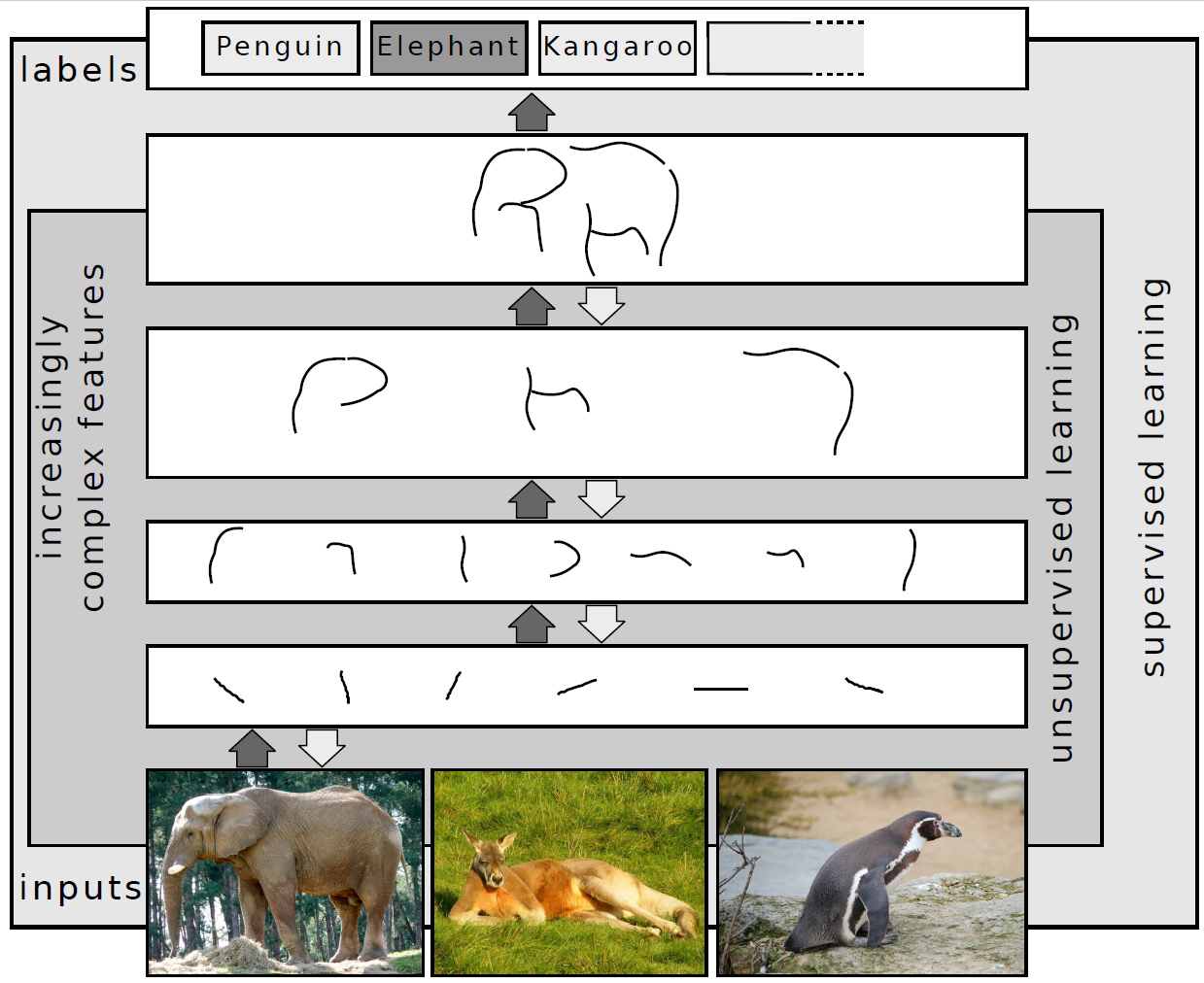
Abstraction is the process of removing unnecessary detail to focus on the essential functions of a system. When you use a smartphone, you do not need to understand the physics of semiconductors or the intricacies of packet switching in cellular networks; you simply tap an icon. That icon is an abstraction. By layering these abstractions—placing simple interfaces over increasingly complex backends—we manage the unmanageable. Understanding how to build, maintain, and navigate these hierarchies is the most critical skill for anyone looking to exert influence in a complex world.
Key Concepts
At its core, hierarchical abstraction is the practice of organizing systems into discrete layers, where each layer provides a service to the layer above it while remaining independent of the internal workings of the layers below. This is often referred to as “encapsulation.”
The Interface Principle: A layer interacts with the one below it through a strictly defined interface. The “how” is hidden; the “what” is exposed. This prevents the “spaghetti effect,” where every part of a system is inextricably linked to every other part, making the entire structure fragile.
Cognitive Load Management: Our working memory is limited. Abstraction allows us to “chunk” information. By treating a complex subsystem as a single “black box,” we free up mental bandwidth to solve higher-level problems. If you are designing a corporate strategy, you treat the HR department as a black box that delivers “talent acquisition,” rather than worrying about the specific payroll software they use.
Recursive Structure: Hierarchies are recursive. Each layer, when viewed from below, is a complex system in its own right. This allows for infinite scaling, provided that the interfaces between layers remain stable.
Step-by-Step Guide
Applying hierarchical abstraction to your professional or technical projects requires a disciplined approach to architecture. Follow these steps to structure complexity effectively:
Decompose the System: Break your project into its primary functional domains. Ask yourself: “What are the core outcomes this system must produce?”
Define the Boundaries: Assign specific responsibilities to each domain. Ensure that each domain has a clear, singular purpose. If a domain is doing too much, it is not an abstraction; it is a bottleneck.
Standardize the Interfaces: Define exactly how information will pass between domains. Use standardized protocols, API calls, or communication frameworks. The goal is to ensure that if you replace the entire internal logic of one layer, the layers above and below it do not notice the change.
Implement Information Hiding: Enforce the rule that layers should not access the internal data or logic of non-adjacent layers. This prevents “leaky” dependencies that make systems hard to debug.
Review the Hierarchy: Regularly evaluate if your layers are too “thick.” If a layer is too complex, decompose it further into sub-layers. If a layer is too thin (i.e., it does almost nothing), merge it with another to reduce overhead.
Examples or Case Studies
The OSI Model in Networking: This is the gold standard of hierarchical abstraction. The Open Systems Interconnection (OSI) model divides network communication into seven layers, from the physical hardware (cables) up to the application (your browser). Because of this hierarchy, a web developer can write code without ever needing to know how a fiber-optic cable transmits light. The abstraction layer handles the transition perfectly.
Corporate Management Structures: A successful multinational corporation functions as a hierarchy of abstractions. The CEO manages the organization by interacting with a few C-suite executives (the interface). The CEO does not manage the thousands of individual contributors. Each layer of management filters the complexity of the layer below, distilling it into actionable summaries. When this hierarchy is functioning well, the CEO can steer the ship without being buried in the minutiae of regional logistics.
Common Mistakes
Leaky Abstractions: This occurs when the details of a lower layer “bleed” into the higher layer. For example, if a software developer has to write custom code to handle specific hardware quirks instead of using a standardized driver, the abstraction has leaked. This forces the higher-level user to understand the lower-level complexity, defeating the purpose of the hierarchy.
Over-Engineering (Excessive Layers): Adding layers for the sake of “cleanliness” can introduce massive latency and administrative overhead. Every interface is a point of friction. If you have too many layers, the system becomes slow and difficult to troubleshoot because tracking a problem requires traversing a dozen different abstractions.
Rigidity: Sometimes a system requires cross-layer communication. If your hierarchy is too rigid, you will struggle to handle edge cases that require a “shortcut.” A good architecture provides a standard path but allows for exceptions when performance or necessity demands it.
Advanced Tips
To truly master hierarchical abstraction, you must develop the ability to “zoom in and out” at will. This is the difference between a novice and an architect.
The mark of a master architect is the ability to maintain the purity of the abstraction while knowing exactly when—and how—to break the rules to optimize for reality.
Learn to descend the stack: While you should operate at the highest level of abstraction possible to maintain efficiency, you must be capable of descending the hierarchy when things go wrong. If the “black box” breaks, you need the technical depth to inspect the layers beneath it. This is why senior engineers and leaders are often the ones who understand the “low-level” details better than anyone else—they know how the foundation is built.
Optimize the interfaces, not the components: In any complex system, the most common point of failure is the interface. If you are struggling with a complex project, look at how the teams or modules communicate. Usually, the problem isn’t the work itself, but the misunderstanding of what is being delivered across the boundary.
Conclusion
Layered hierarchical abstraction is the cognitive scaffolding of our modern civilization. It allows us to build skyscrapers, manage global economies, and write software that powers the planet. By isolating complexity within discrete, manageable layers, we transform the impossible into the routine.
The key takeaway is that abstraction is not merely a technical concept; it is a mindset. Whether you are managing a team, coding an application, or structuring your own workflow, ask yourself: “Am I hiding the right details?” and “Is the interface between my responsibilities clear?” If you can master the art of the hierarchy—creating clean, robust, and functional layers—you will find that no system is too complex to conquer.