Decentralized Energy Management: Guide to Grid Resilience
— by
Steven Haynes
Contents
* Introduction: The shift from centralized utility models to decentralized energy resources (DERs).
* Key Concepts: Defining microgrids, peer-to-peer (P2P) trading, and the role of the “prosumer.”
* Step-by-Step Guide: How communities transition to decentralized infrastructure.
* Examples/Case Studies:Brooklyn Microgrid and rural electrification in Sub-Saharan Africa.
* Common Mistakes: Ignoring cybersecurity, regulatory hurdles, and balancing intermittent loads.
* Advanced Tips: Blockchain integration and AI-driven predictive load balancing.
* Conclusion: The future of energy autonomy and grid resilience.
***
The Decentralized Revolution: Mastering Energy Management for a Resilient Future
Introduction
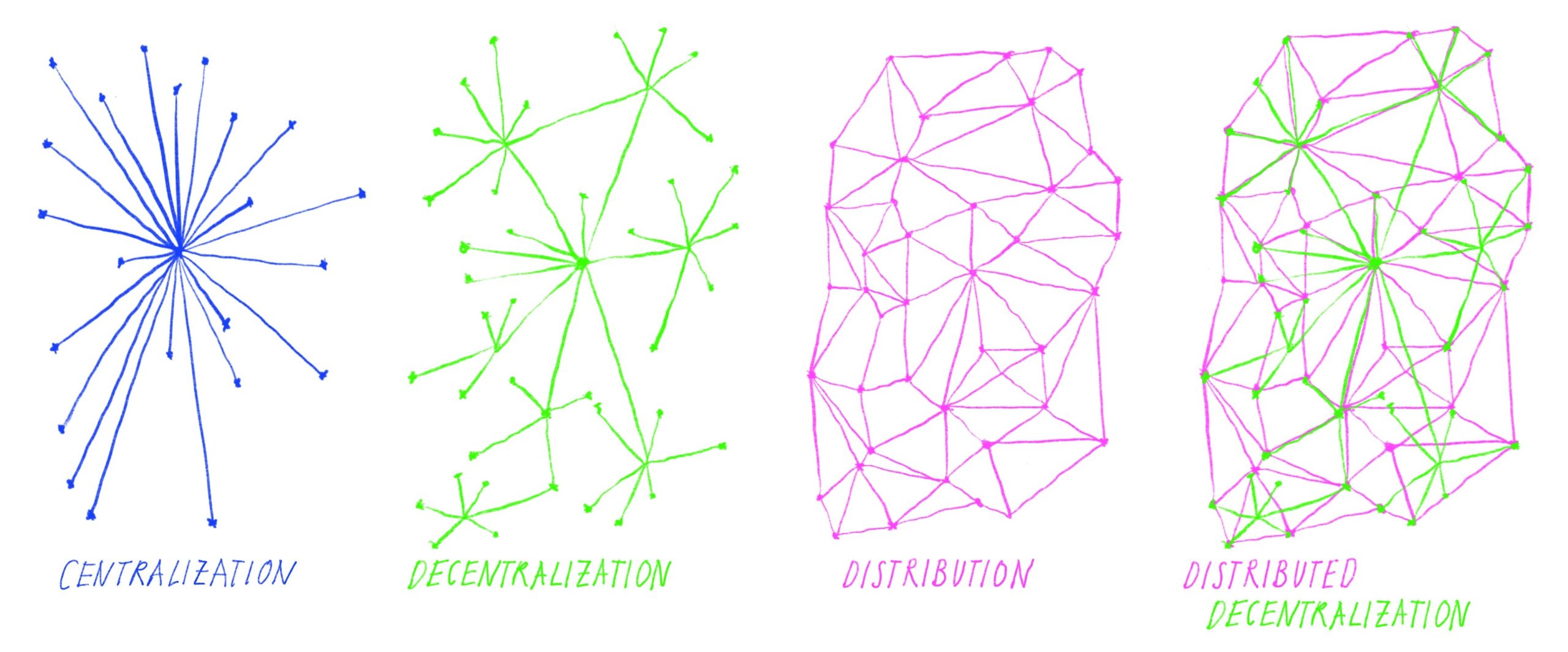
For over a century, the global power landscape has been defined by a “hub-and-spoke” model. Massive, centralized power plants generate electricity, which then travels over long distances through vulnerable transmission lines to reach the end user. However, this model is rapidly becoming obsolete. Climate volatility, aging infrastructure, and the surge in renewable energy adoption are forcing a paradigm shift toward decentralized grids.
Decentralized energy management is not merely a technical upgrade; it is a fundamental restructuring of how we produce, share, and consume power. By prioritizing local production and localized intelligence, we can create a grid that is not only more sustainable but significantly more resilient to the disruptions that plague traditional utility networks.
Key Concepts
To understand decentralized energy, you must move beyond the idea of the “consumer” and embrace the “prosumer”—an individual or entity that both consumes and produces energy.
Microgrids
A microgrid is a localized group of electricity sources and loads that can operate independently of the main, centralized grid. Think of it as a neighborhood or industrial park that can “island” itself during a blackout, keeping critical systems powered while the rest of the world goes dark.
Peer-to-Peer (P2P) Energy Trading
This concept leverages blockchain or distributed ledger technology to allow neighbors to sell excess solar energy directly to one another. If your neighbor’s solar panels are producing more than they need, your smart home can automatically purchase that surplus, bypassing the utility company and reducing transmission losses.
Distributed Energy Resources (DERs)
DERs are the building blocks of the decentralized grid. These include rooftop solar panels, battery storage systems, wind turbines, and even electric vehicle (EV) batteries that act as mobile power plants (Vehicle-to-Grid, or V2G).
Step-by-Step Guide: Implementing Decentralized Energy Systems
Audit Local Capacity: Analyze the solar, wind, or geothermal potential of the specific site. Determine the “baseload” requirements—the minimum amount of power needed at all times.
Integrate Smart Metering: Install IoT-enabled smart meters. These devices provide the real-time data necessary for automated decision-making regarding energy distribution.
Deploy Storage Buffers: Decentralization fails without storage. Battery Energy Storage Systems (BESS) must be installed to capture energy during peak production hours to be used during high-demand periods.
Establish Control Protocols: Implement an Energy Management System (EMS). This software acts as the “brain” of the local grid, deciding when to store energy, when to use it, and when to sell it back to the main grid.
Regulatory Compliance: Engage with local utility regulators to establish net-metering agreements. This ensures that your local production is legally recognized and compensated when it contributes to the broader grid.
Examples and Case Studies
The Brooklyn Microgrid (USA)
The Brooklyn Microgrid serves as a global blueprint for P2P energy trading. Residents with rooftop solar panels trade energy directly with their neighbors who lack solar installations. By using a blockchain-based platform, the community keeps energy dollars within the local economy and reduces the stress placed on the aging city infrastructure.
Rural Electrification in Sub-Saharan Africa
In remote areas where traditional grid expansion is cost-prohibitive, decentralized solar-plus-storage mini-grids have become the standard. These systems allow villages to power irrigation pumps, schools, and medical clinics without waiting for a national grid connection, proving that local production is often more efficient than centralized infrastructure.
Common Mistakes
Neglecting Cybersecurity: By moving intelligence to the “edge” of the grid, you increase the number of entry points for hackers. A decentralized grid without robust encryption is a liability.
Overestimating Intermittency: Many projects fail to account for “Dunkelflaute”—a German term for periods of low wind and low solar production. Always over-provision your storage capacity to account for these dry spells.
Ignoring Regulatory Barriers: Many legacy utility models are protected by laws that prohibit neighbors from selling electricity to one another. Failure to navigate the legal landscape early can result in expensive projects being shut down by regulators.
Siloed Thinking: Treating storage, production, and consumption as separate entities rather than an integrated ecosystem leads to massive inefficiency.
Advanced Tips
To maximize the efficiency of a decentralized system, look toward the next frontier of grid management:
AI-Driven Predictive Balancing: Use machine learning algorithms to predict weather patterns and local consumption habits. An advanced EMS can “pre-charge” batteries before a storm hits or throttle non-essential loads during periods of low renewable generation.
Virtual Power Plants (VPPs): A VPP aggregates thousands of decentralized batteries and solar arrays into a single, cloud-based entity. This allows the decentralized grid to act like a traditional power plant, participating in wholesale energy markets and providing grid-balancing services to the national provider.
Demand-Side Response: Incentivize users to shift their heavy energy usage (like EV charging or laundry) to times of peak renewable production. This reduces the need for “peaker plants”—inefficient, fossil-fuel-heavy plants that only turn on when demand is at its highest.
Conclusion
Decentralized energy management represents the democratization of power. By shifting the focus from massive, distant generators to local, intelligent networks, we increase grid resilience, reduce transmission losses, and empower communities to take control of their own energy future.
While the transition requires navigating complex regulatory and technical landscapes, the benefits—security, sustainability, and economic efficiency—are undeniable. As we continue to integrate more renewables, the grid of the future will not be one giant machine, but a vast, interconnected web of micro-networks, each managing its own resources while contributing to the stability of the whole. The era of the prosumer has arrived; it is time to build a grid that reflects that reality.



Leave a Reply