Contents1. Introduction: Define the shift from traditional litigation to decentralized, open-source adjudication.2. Key Concepts: Explain the mechanics of impartial protocols, game theory, and token-weighted governance.3. Step-by-Step Guide: How to navigate a dispute within an open-source framework.4. Examples/Case Studies: Real-world application in decentralized finance (DeFi) and decentralized autonomous organizations (DAOs).5. Common Mistakes: Pitfalls like voter apathy, lack of evidentiary standards, and centralized capture.6. Advanced Tips: Strategies for effective participation and protocol design.7. Conclusion: The future of trustless justice.***
The Future of Trustless Justice: Understanding Open-Source Adjudication Protocols
Introduction
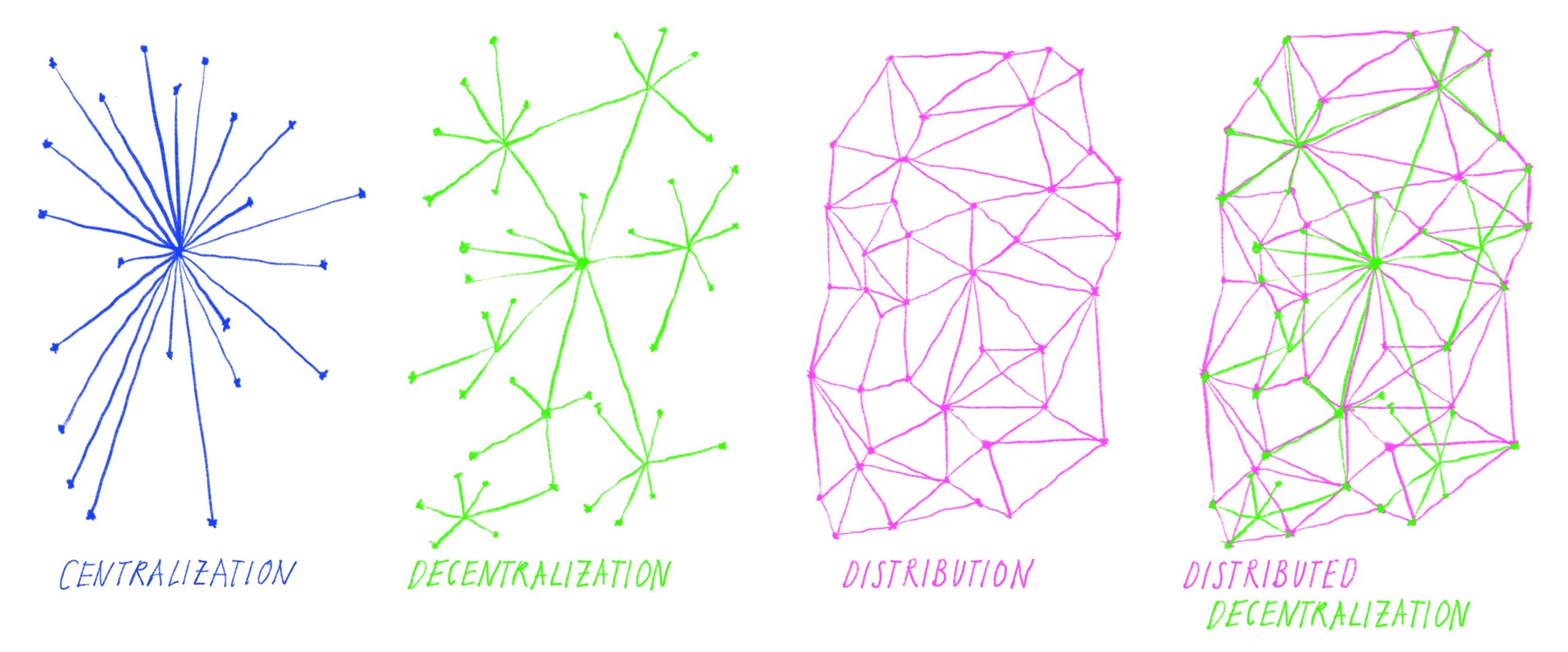
For centuries, conflict resolution has been synonymous with centralized institutions. Whether it is a local court, an arbitration board, or a corporate HR department, we have been conditioned to rely on a “middleman” to interpret rules and deliver a verdict. However, this model is prone to bias, high costs, and significant delays. Enter open-source adjudication protocols—a technological shift that moves the power of judgment from opaque authorities to transparent, decentralized systems.
In the digital age, where global collaboration happens in real-time, waiting months for a legal ruling is no longer viable. Open-source adjudication uses game theory, blockchain technology, and crowd-sourced expertise to resolve disputes impartially. For professionals, entrepreneurs, and developers, understanding these protocols is no longer just a technical curiosity—it is a requirement for participating in the next generation of digital commerce and governance.
Key Concepts
At its core, an open-source adjudication protocol is a set of rules encoded in smart contracts that allows a community to act as a judge. Unlike a traditional judge who relies on personal discretion, these protocols rely on incentive alignment.
The primary mechanism is a decentralized oracle or a juror-based system. When two parties enter a contract, they agree that if a dispute arises, it will be submitted to the protocol. The protocol then randomly selects a group of jurors from a pool of participants. These jurors are incentivized to vote honestly because they have “staked” digital assets on the outcome. If they vote with the majority, they earn a reward; if they vote against the consensus, they lose their stake.
This creates a self-correcting system. The protocol doesn’t require a judge to be “moral” in the traditional sense; it requires them to be rational. By aligning the juror’s financial interest with the collective truth, the protocol effectively minimizes the influence of corruption, bribery, and personal bias.
Step-by-Step Guide
If you are integrating an adjudication protocol into your business or project, the workflow generally follows these stages:
- Contractual Binding: Both parties agree to the adjudication protocol at the start of a transaction. The agreement is coded into a smart contract that holds the funds or assets in escrow.
- Dispute Initiation: If a breach of contract occurs, one party files a dispute, providing evidence (such as emails, transaction logs, or deliverables) to the protocol.
- Juror Selection: The protocol algorithmically selects jurors based on their reputation or the amount of tokens they have staked. This selection is blinded to prevent collusion.
- Evidentiary Review: Jurors review the evidence submitted by both parties. The platform provides a structured interface for jurors to compare the facts against the original agreement.
- Consensus and Ruling: Jurors cast their votes. Once a quorum is reached, the protocol automatically executes the smart contract—releasing the escrowed funds to the winner or returning them to the rightful owner.
- Finality: The ruling is cryptographically recorded on the blockchain, making it immutable and transparent for future audits.
Examples and Case Studies
The most prominent example of this technology is Kleros, a decentralized arbitration service. Kleros has been used extensively in the DeFi space to resolve issues where smart contracts fail to account for edge cases.
In one notable case, a freelancer was hired to perform a software audit. The client refused to pay, claiming the audit was incomplete. The freelancer argued that the work met the agreed-upon standards. Instead of taking the case to a traditional international court—which would have cost more than the value of the contract itself—the parties submitted the dispute to Kleros. A group of jurors, selected for their coding expertise, reviewed the GitHub commits and the requirements. They ruled in favor of the freelancer, and the funds were released immediately. The cost of arbitration was a fraction of the contract value, and the resolution took days rather than months.
“Open-source adjudication transforms justice from a scarce, expensive service into a scalable, transparent utility.”
Common Mistakes
While these protocols are powerful, they are not immune to failure if implemented incorrectly. Avoid these common pitfalls:
- Lack of Clear Evidence Standards: Many users submit too much irrelevant information. The protocol works best when evidence is structured, concise, and directly mapped to the contract terms.
- Voter Apathy: If the juror reward is too low, the most qualified experts will not participate. Protocols must have robust economic models to keep highly skilled jurors engaged.
- Centralized “Oracle” Capture: If a project relies on a single entity to set the rules for the adjudication, it defeats the purpose. Ensure the governance of the protocol itself is decentralized.
- Ignoring Jurisdictional Overlap: In some regions, smart contract rulings may not be legally binding in a physical court. Always consult with legal counsel to understand how decentralized rulings interact with local law.
Advanced Tips
To maximize the efficacy of your adjudication strategy, consider these advanced approaches:
Reputation Scoring: Look for protocols that implement reputation systems. Jurors who consistently vote with the majority should have higher “weight” in future disputes. This ensures that the most experienced and reliable individuals are the ones deciding complex cases.
Tiered Adjudication: For high-stakes disputes, design a system that allows for an appeal process. If a party is dissatisfied with a ruling, they can pay a higher fee to escalate the case to a larger pool of jurors or a “super-jury” with even higher stakes.
Self-Correction Mechanisms: If you are building a protocol, incorporate “coherence rewards.” This rewards jurors not just for winning, but for being part of the majority that represents the most logical interpretation of the evidence. This discourages “lazy voting” where jurors simply follow the loudest voice.
Conclusion
Open-source adjudication protocols represent a fundamental shift in how we handle conflict. By replacing human-centric, opaque institutions with transparent, incentive-aligned code, we are creating a more equitable playing field for global trade and digital collaboration.
As these systems mature, they will likely become the standard for any digital agreement, from freelance work and insurance claims to supply chain management. The key takeaways for any modern professional are clear: understand the mechanics of stake-based voting, keep your contractual evidence structured, and embrace the efficiency of decentralized consensus. The future of justice isn’t found in a courtroom—it’s found in the code.