Optimizing Resource Allocation: The Future of Smart Contracts and Ecological Capacity
Introduction
For decades, resource management has been plagued by human error, centralized inefficiencies, and a lack of real-time data integration. Whether we are discussing water rights, energy grid distribution, or carbon credit allocation, the current models often rely on slow, bureaucratic oversight. However, the convergence of blockchain technology and IoT-enabled environmental monitoring is changing the paradigm. By leveraging smart contracts, we can now automate resource distribution based on two objective pillars: verified need and ecological capacity.
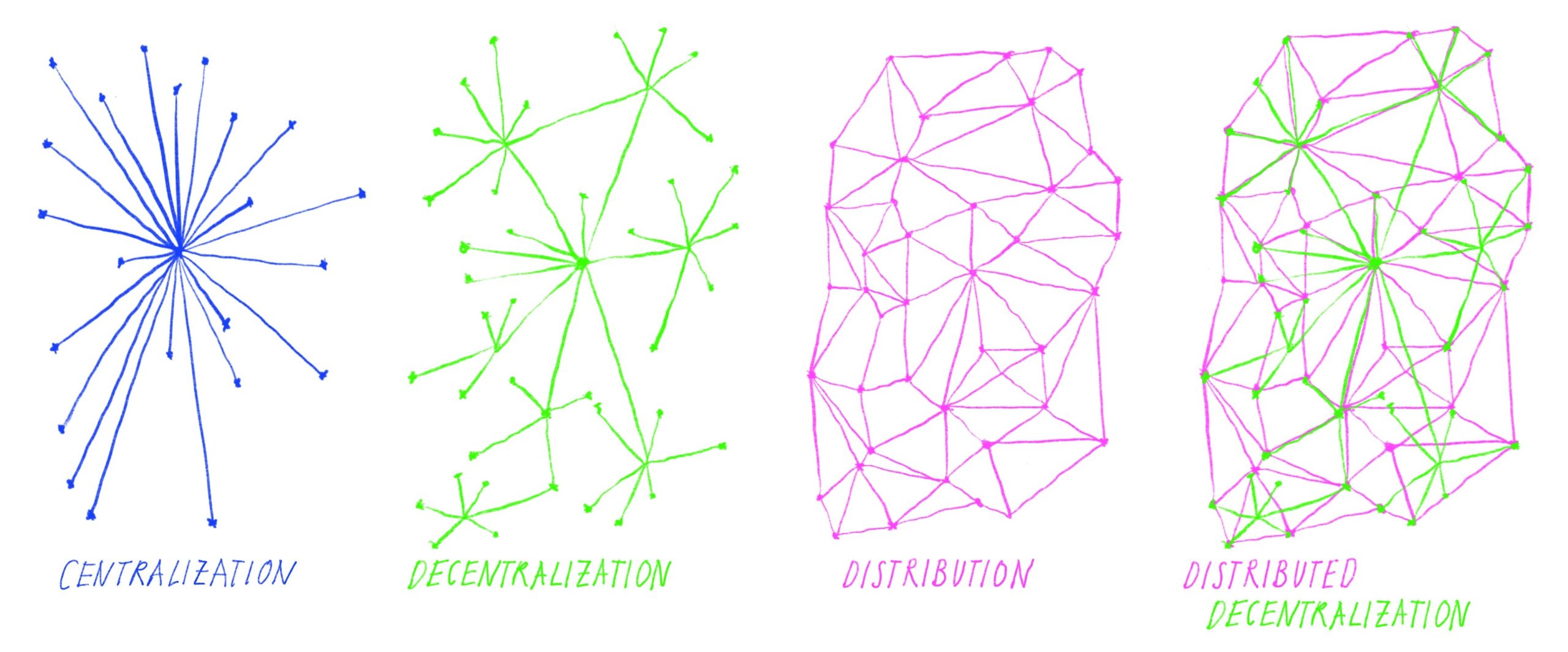
This approach moves us away from predictive models—which are prone to political or economic bias—and toward a dynamic, responsive system that treats environmental data as the primary trigger for economic activity. Understanding this intersection is critical for professionals in sustainability, logistics, and decentralized governance.
Key Concepts
To understand how this technology functions, we must define the two primary components: Smart Contracts and Ecological Capacity Constraints.
A smart contract is a self-executing agreement where the terms are written directly into code. When specific conditions are met, the contract automatically executes an action—such as transferring funds, releasing resources, or locking access. In this context, the “condition” is not a human decision, but a data point.
Ecological Capacity refers to the maximum load an ecosystem can sustain before it suffers degradation. For example, a river basin has a specific volumetric capacity for irrigation based on current rainfall and reservoir levels. Verified Need is the objective proof of consumption requirements, usually gathered via IoT sensors or verified supply chain data.
When these two concepts are linked, the smart contract acts as a gatekeeper. It ensures that distribution never exceeds the regenerative threshold of the environment, while simultaneously prioritizing entities that have verified, immediate needs.
Step-by-Step Guide: Implementing an Automated Resource Distribution System
Building a system that balances ecological limits with human needs requires a rigorous, multi-layered architecture. Follow these steps to design a functional framework:
Establish the Data Oracle Layer: You cannot trust a smart contract if the data feeding it is inaccurate. Utilize decentralized oracle networks (like Chainlink) to pull data from verified, tamper-proof IoT sensors that measure ecological markers (e.g., soil moisture, reservoir levels, or air quality indices).
Define the Threshold Parameters: Establish clear “hard limits” within the contract code. These are the ecological red lines. If the data from Step 1 shows that a resource (like water) has fallen below a critical replenishment level, the smart contract must automatically trigger a “throttle” or “halt” function on all outgoing distributions.
Integrate Verification Protocols: Implement a system for “Verified Need.” This could involve digital identity verification (DID) for users or supply chain tracking that proves a specific volume of a resource is required for an active, essential process.
Deploy the Smart Contract: Write the logic on a scalable blockchain. The logic should follow an “If/Then” flow: If [Ecological Capacity > Threshold] AND [Verified Need = Valid], THEN [Release Resource Allocation].
Create a Feedback Loop: Ensure that the consumption data is fed back into the system. This allows the contract to adjust future allocations based on real-world consumption patterns, creating a self-optimizing loop.
Examples and Case Studies
The application of this technology is already being tested in various high-stakes environments.
Case Study 1: Decentralized Water Rights Management In drought-prone agricultural regions, water allocation is often a source of conflict. A pilot project utilizing smart contracts allows farmers to bid for water rights based on real-time sensor data from local aquifers. If the aquifer level drops below a certain point, the smart contract automatically prevents further extraction for non-essential users, ensuring that only high-priority, verified crop needs are met until the aquifer recharges.
Case Study 2: Energy Grid Load Balancing In micro-grids powered by renewable energy, smart contracts manage the distribution of stored battery power. When the ecological capacity—in this case, the available solar or wind storage—is low, the contract prioritizes energy distribution to hospitals and essential services while automatically throttling power to non-essential commercial entities. This is done without human intervention, preventing grid collapse during peak stress periods.
Common Mistakes
Transitioning to automated, capacity-aware systems is fraught with technical and social risks. Avoid these common pitfalls:
The Oracle Problem: Trusting a single source of data is a recipe for failure. If your sensors are hacked or malfunction, the smart contract will execute based on false information. Always use decentralized, multi-source data feeds.
Ignoring Edge Cases: Developers often focus on the “happy path” (when resources are abundant). You must code for extreme scenarios, such as total system failure or sensor outages, to ensure the smart contract defaults to a safe, conservative state.
Lack of Human Override: While automation is the goal, there must be a secure, multi-signature governance mechanism to handle emergency situations that the code cannot foresee. Complete automation without a “circuit breaker” is dangerous.
Ignoring Scalability: Running high-frequency resource distribution on a congested blockchain can lead to exorbitant transaction fees. Choose a network designed for high throughput and low cost, such as a Layer 2 scaling solution.
Advanced Tips
To move beyond basic implementation, consider these advanced strategies:
Dynamic Pricing Models: Instead of a binary “on/off” switch, use the smart contract to implement dynamic pricing. As ecological capacity decreases, the cost of the resource should increase automatically. This creates a market-based incentive for users to conserve resources, further protecting the ecological system.
Tokenized Resource Rights: Represent resources as digital assets (tokens). Users hold these tokens to claim their share. If they do not use their full allocation, they can trade those tokens back into the pool or sell them to others. This creates an efficient market where resources naturally flow to those who have the highest verified need.
Zero-Knowledge Proofs (ZKPs): Use ZKPs to verify the “need” of a participant without compromising their private data. This ensures that a company can prove they require a certain amount of water or energy for production without exposing sensitive proprietary manufacturing details to competitors.
Conclusion
Smart contracts applied to ecological capacity represent a fundamental shift in how we steward the Earth’s resources. By removing human bias and administrative lag, we can create systems that are not only efficient but inherently protective of the environments they depend upon. The transition requires a move away from centralized, opaque decision-making toward transparent, data-driven code. As we face increasing environmental volatility, the ability to automate distribution based on verified capacity will move from a technical novelty to a necessity for global infrastructure.
The path forward involves rigorous testing, a commitment to decentralized data integrity, and a willingness to embrace the cold, hard logic of ecological reality. Those who master these systems today will set the standard for the sustainable economies of tomorrow.