1. Introduction: Defining Liquid Democracy and the mechanism of instant delegate revocation. 2. Key Concepts: Understanding the shift from representative to liquid models and the “Trust but Verify” paradigm. 3. Step-by-Step Guide: How to implement and execute revocation in a decentralized governance system. 4. Real-World Applications: Blockchain DAOs and organizational management. 5. Common Mistakes: Emotional voting, lack of oversight, and technical friction. 6. Advanced Tips: Setting up automated triggers and threshold-based delegation. 7. Conclusion: The future of responsive governance.
***
The Power of Instant Revocation: Redefining Delegate Accountability
Introduction
For centuries, the traditional representative model has relied on a “set it and forget it” approach to governance. You elect a representative, and for the duration of their term, you effectively relinquish your agency. In the digital age, this latency is no longer a technical necessity—it is a design flaw. The concept of instant delegate revocation represents a shift toward fluid, responsive governance where authority is not granted as a permanent possession, but as a revocable trust.
When delegates know their decision-making power can be stripped away the moment they deviate from their constituents’ values, the dynamic of power changes. This article explores how this mechanism works, why it is essential for modern organizational health, and how you can implement it to ensure true representation.
Key Concepts
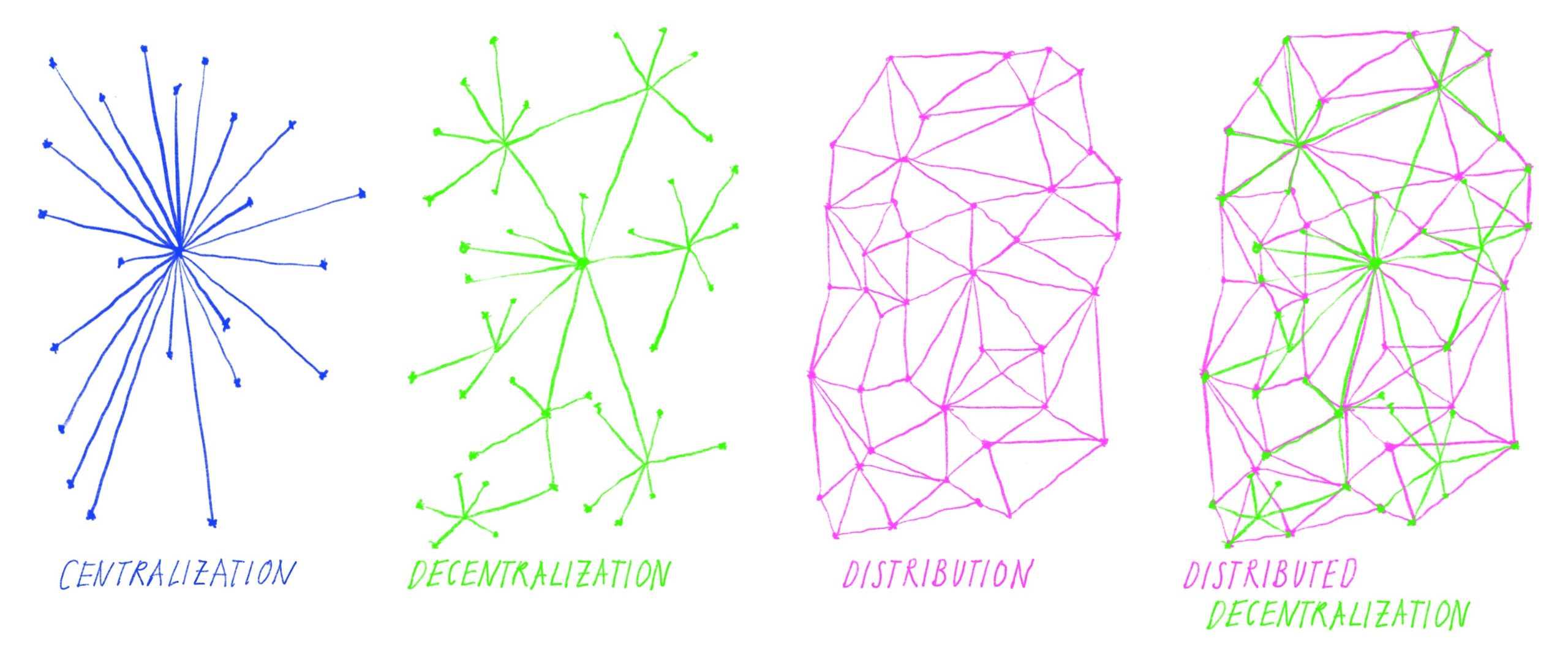
At its core, instant revocation is a feature of Liquid Democracy. Unlike representative democracy, where you are tethered to a candidate for an election cycle, liquid democracy allows for dynamic delegation. You can delegate your voting power to an expert on a specific issue—such as environmental policy or financial allocation—and withdraw that support the moment their actions clash with your interests.
The primary mechanism is the smart contract or digital ledger. Because these systems are programmable, they do not require a waiting period, a recall election, or a lengthy bureaucratic process. Revocation is a state change in the system. When you move your token or toggle your setting, the delegate’s voting weight decreases automatically and immediately.
This is not just about “firing” someone; it is about continuous alignment. It forces delegates to remain in constant communication with their constituency, creating a feedback loop that keeps leadership accountable in real-time.
Step-by-Step Guide
Implementing a system of instant revocation—whether within a DAO (Decentralized Autonomous Organization) or a corporate governance structure—requires a clear framework. Follow these steps to set up a responsive delegation system:
Establish Clear Value Alignment: Before delegating, create a “Delegate Mandate.” This is a document or a set of smart contract parameters that explicitly defines the boundaries of the delegate’s authority. If they vote outside these parameters, the revocation trigger is activated.
Choose a Transparent Governance Platform: Utilize blockchain-based voting tools like Snapshot or Tally, which allow for real-time delegation and revocation. Ensure the platform provides public audit trails so you can see exactly how your delegate is voting on every proposal.
Configure Automated Monitoring: Use notification tools that alert you whenever a delegate casts a vote. Many modern platforms allow you to set “Automatic Revert” triggers, which pull your delegation if a specific type of vote (e.g., a high-risk treasury spend) is cast without your prior approval.
Execute the Revocation: When you detect a deviation, simply update your delegation status on the governance dashboard. Because the blockchain updates instantly, the delegate’s power is reduced for all subsequent votes without impacting the validity of past decisions.
Re-delegate or Vote Directly: Once the power has been revoked, you have the immediate option to vote on the remaining issues yourself or assign your power to a more aligned representative.
Examples or Case Studies
The most prominent applications of instant revocation are found in the Decentralized Autonomous Organization (DAO) space. For example, in protocols like MakerDAO or Uniswap, token holders delegate their governance power to active community members. If a delegate supports a protocol change that the token holder disagrees with, the holder can remove their vote within seconds.
The ability to revoke power instantly creates a market for competence. Delegates are no longer career politicians; they are service providers who must compete to retain the trust of their constituents.
In a corporate setting, a similar model is being tested in “Holacratic” organizations. When team leads are granted the power to allocate budgets, their authority is often tied to a “performance score” updated by their peers. If the score drops below a certain threshold, the system automatically revokes their financial signing authority, forcing a restructuring of the team’s leadership.
Common Mistakes
While the mechanism is powerful, it is prone to human error. Avoid these common pitfalls to keep your governance robust:
The “Panic Revoke” Trap: Revoking a delegate based on a single, misunderstood vote can create instability. Always investigate the context of the vote before acting, as some decisions are complex and require nuanced trade-offs.
Ignoring “Passive” Delegation: Many users delegate and then completely ignore the delegate’s activity. If you aren’t monitoring, the power of instant revocation is useless. You must be an active participant in the ecosystem.
Over-reliance on Automated Triggers: While automation is helpful, it can lead to “governance paralysis” where delegations are constantly switching back and forth, preventing any consistent strategy from being implemented.
Lack of Communication Channels: Revocation should be a last resort. Ensure there is a forum or communication channel where constituents can debate issues with delegates before hitting the revoke button.
Advanced Tips
For those looking to optimize their governance participation, consider these advanced strategies:
Implement Multi-Factor Delegation: Instead of delegating all your power to one person, split it. Assign 50% of your voting weight to a technical expert and 50% to a community advocate. This hedges your risk against a single point of failure.
Set Time-Locked Revocation: If you are worried about impulsive decisions, set a “cooldown” period in your governance settings. This prevents you from revoking a delegate for, say, 24 hours after a vote. This allows for a cooling-off period where you can discuss the rationale with the delegate before making a permanent change.
Use Reputation Metrics: Integrate your revocation process with on-chain reputation scores. If a delegate has a history of high participation and high alignment, you might be more lenient. If their reputation score is low, your revocation threshold should be much tighter.
Conclusion
The transition toward instant delegate revocation is not merely a technical upgrade; it is a fundamental shift in the social contract of governance. By removing the permanence of power, we move toward a system where influence must be earned and maintained daily.
Key takeaways include:
Responsiveness: Instant revocation ensures that those in power are constantly incentivized to act in the best interest of their constituents.
Accountability: The ability to remove power provides a check on ego and corruption that traditional systems lack.
Engagement: This model requires active, informed participation, which strengthens the overall health of the governance community.
As we continue to build decentralized systems, the ability to revoke authority instantly will become the gold standard for accountability. Whether you are participating in a DAO or designing a new organizational structure, remember that the most effective leaders are those who know their mandate is a temporary, revocable gift from the people they serve.