The Renaissance of Slow-Process Crafts: Why Human-Made Matters in a Digital World
Introduction
We live in an era of instant gratification. With a few clicks, algorithms can generate art, code, and text in seconds. Yet, as digital content becomes increasingly abundant and indistinguishable from human output, a fascinating cultural shift is underway. We are witnessing a deliberate return to slow-process crafts—disciplines that require patience, physical labor, and an inherent resistance to digital replication.
This movement is not merely a nostalgic retreat to the past. It is a sophisticated evolution of cultural tradition that prioritizes the “human fingerprint.” In a world of infinite digital scaling, the value of an object or experience is no longer found in its efficiency, but in its struggle, its imperfection, and its permanence. Understanding this shift is essential for anyone looking to cultivate depth, authenticity, and long-term value in their personal or professional life.
Key Concepts
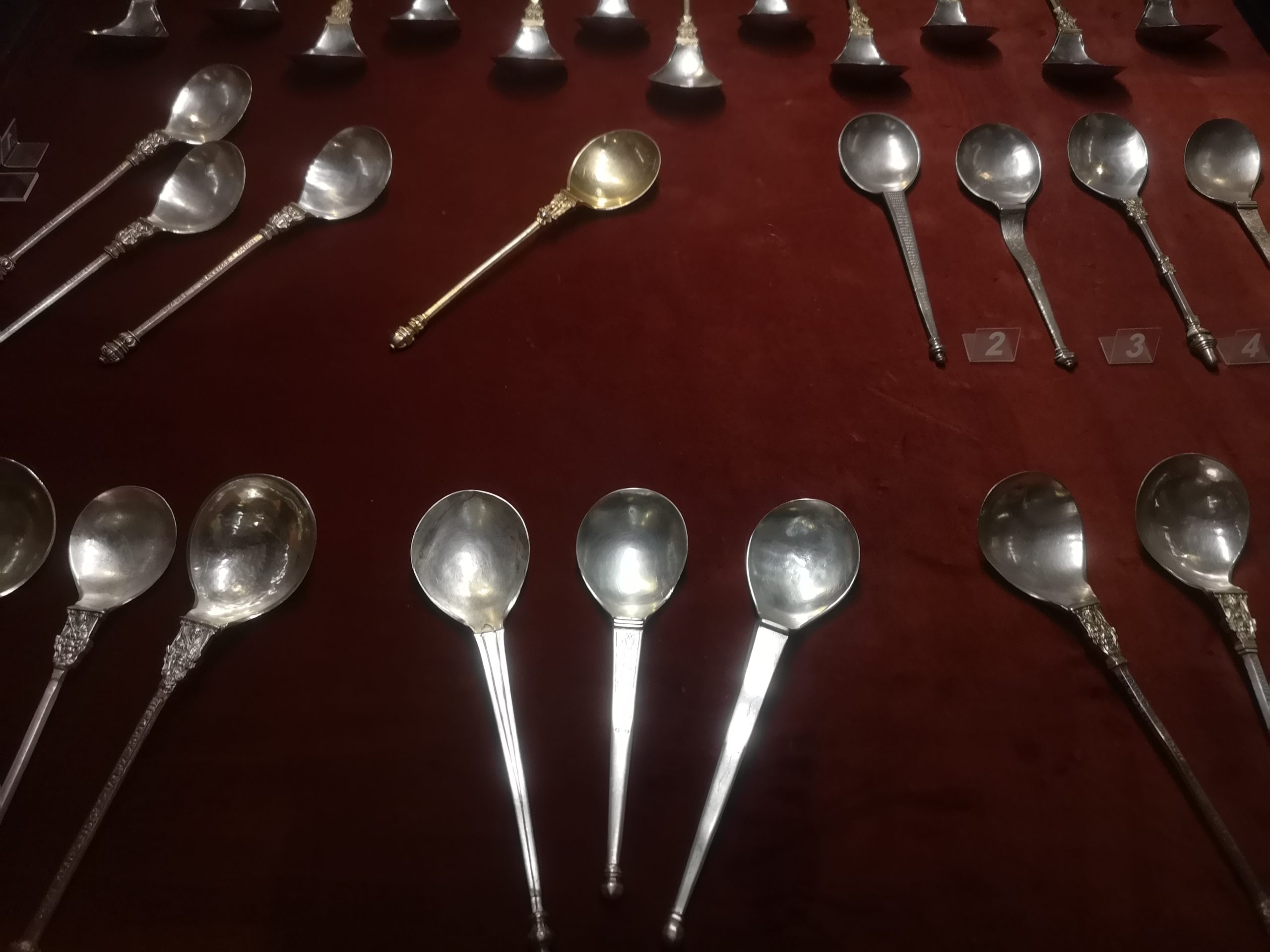
At the heart of this cultural evolution is the concept of tactile authenticity. Digital files are infinitely replicable, meaning they possess zero marginal cost and, by extension, zero scarcity. Slow-process crafts—such as hand-thrown pottery, letterpress printing, bespoke tailoring, or traditional woodworking—defy this logic.
These crafts rely on process-oriented value. When you purchase a mass-produced item, you are paying for the utility of the finished product. When you engage with a slow-process craft, you are paying for the time, the expertise, and the physical reality of the maker. This creates a “fidelity gap” that AI and digital automation cannot bridge. No matter how advanced a 3D printer becomes, it cannot replicate the specific history of a hand-carved grain or the microscopic variations in a hand-dyed textile.
This evolution is also rooted in the philosophy of limitation. Digital tools offer unlimited “undo” buttons and infinite iterations. Traditional crafts are defined by their constraints: wood can split, clay can collapse, and ink can bleed. These constraints force the creator to make irreversible decisions, which imbues the final work with a sense of gravity and intention that digital files simply lack.
You do not need to become a master blacksmith to integrate these principles into your life. The goal is to move from passive consumption to active, intentional creation or curation.
Identify a “High-Friction” Skill: Choose a hobby or professional task that requires physical engagement or deep, uninterrupted focus. This could be analog photography, leatherworking, gardening, or even manual drafting. The key is that the process must be difficult to automate.
Establish a “No-Digital” Constraint: For a set period, remove digital assistance. If you are writing, use a fountain pen and paper. If you are designing, start with a physical sketch. This forces your brain to engage with the material reality of the project rather than the shortcut-heavy interface of software.
Prioritize Iterative Physicality: Focus on the “doing” rather than the “finishing.” Document the process through physical means—a journal or a sketchbook—rather than a digital camera roll. This anchors your memory in the physical experience.
Audit Your Environment: Curate your space to favor analog tools. Keep your workspace free of non-essential digital devices. Create an environment where the “slow” way is the easiest way to begin.
Embrace the Error: In digital work, an error is a bug. In slow-process craft, an error is a characteristic. When you make a mistake, do not hit “undo.” Find a way to incorporate the flaw into the design. This creates a unique signature that proves human agency.
Examples and Case Studies
The marketplace is already responding to this trend. Consider the resurgence of high-end horology. In an age where a smartphone tells time with perfect atomic accuracy, the demand for mechanical watches—which lose a few seconds a day—has skyrocketed. People are paying thousands of dollars for the “inefficiency” of a mechanical movement because it represents a triumph of human engineering over digital convenience.
Another example is the “Slow Fashion” movement. Brands that utilize hand-loomed fabrics and natural dyes are finding a dedicated audience that rejects the fast-fashion cycle. These consumers are not just buying a shirt; they are buying a narrative of labor. They are trading the convenience of a $10 polyester t-shirt for the longevity and ethical depth of a garment that took weeks to produce.
Even in the corporate world, we see this in the return to analog workshops. Top-tier design firms are increasingly requiring designers to sketch on paper before touching a tablet. They have realized that the digital interface often leads to “design by template,” whereas the physical page forces the creator to solve problems from first principles.
Common Mistakes
Confusing Aesthetics with Process: Many brands try to fake the “slow” look with digital filters or “rustic” branding. This is easily spotted as inauthentic. The value comes from the actual labor, not the appearance of it.
Over-optimizing for Speed: If you try to make your slow-craft hobby “more efficient,” you destroy the very benefit you are seeking. You are not trying to maximize output; you are trying to maximize the quality of the experience.
Ignoring the Learning Curve: People often quit slow-process crafts because they expect immediate mastery. Accept that frustration is a feature, not a bug. The struggle is exactly what makes the final result valuable.
Digital Dependency: Trying to track your progress with apps and analytics can pull you back into a digital mindset. Sometimes, the best way to track a craft is through observation and memory, not data points.
Advanced Tips
To truly master this transition, you must move beyond the hobbyist level and into the realm of intentional mastery.
The Principle of Material Intelligence: Spend time studying the raw materials of your craft. Understand the chemistry of your ink, the density of your wood, or the tension of your thread. When you understand the material at a molecular level, you can anticipate how it will behave in ways that software can never simulate.
The most profound luxury in the 21st century is not the ability to do things faster, but the ability to do things slowly with absolute precision.
Consider the role of legacy. Digital files are fragile; they suffer from bit rot and format obsolescence. Physical crafts, when done well, are durable. Focus on creating things that will outlast your current digital devices. This shift in perspective changes how you choose tools and materials—you start looking for quality that will age with dignity rather than utility that will degrade.
Conclusion
The cultural shift toward slow-process crafts is a defense mechanism against a digital world that threatens to erode our sense of reality. By engaging in work that cannot be easily replicated by an algorithm, we reclaim our agency, our patience, and our humanity.
This is not about rejecting technology; it is about finding the appropriate place for it. Use digital tools for the mundane and the repetitive, but reserve the core of your creative and personal identity for the slow, the tactile, and the difficult. When you choose to embrace the slow-process, you aren’t just making something—you are participating in a tradition that values the human spirit above the efficiency of the machine.
Start small, embrace the friction, and remember: the goal is not to reach the end of the project, but to be transformed by the work required to get there.