Data Bottleneck: High-Quality Training Data as Strategic Asset
— by
Steven Haynes
The Data Bottleneck: Why High-Quality Training Data is the New Strategic Commodity
Introduction
For decades, international trade negotiations have centered on tangible goods: steel, semiconductors, agricultural products, and energy. However, the global economic landscape is shifting rapidly toward an AI-driven infrastructure. As artificial intelligence models become the engine of modern industry, the most critical input for production is no longer raw ore or silicon—it is high-quality, human-curated training data.
We are entering an era of “data scarcity.” While the internet is awash with low-quality, automated content, the supply of high-fidelity, proprietary, and clean data required to train state-of-the-art Large Language Models (LLMs) and autonomous systems is finite. This scarcity is transforming data from a digital byproduct into a core asset, positioning it as a primary factor in future international trade agreements, geopolitical leverage, and economic sovereignty.
Key Concepts
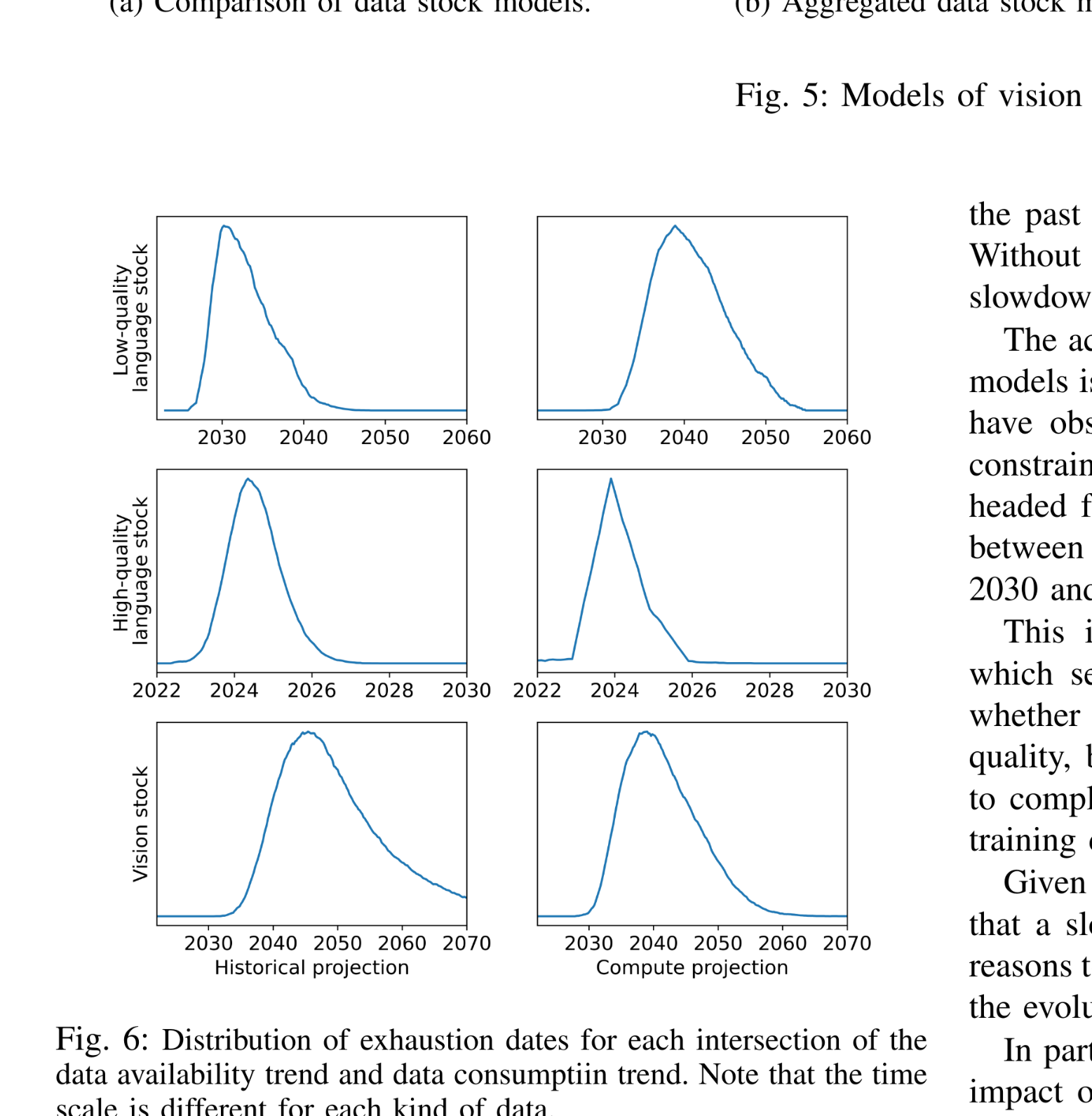
To understand why data is becoming a trade commodity, we must distinguish between volume and value. The internet has reached a point of saturation where most public, high-quality information has already been scraped and ingested by existing models. This is known as “data exhaustion.”
High-Quality Training Data refers to datasets that are curated, verified, labeled, and ethically sourced. This includes clinical medical records, proprietary engineering blueprints, high-resolution sensor data from autonomous manufacturing, and localized cultural linguistic datasets. Unlike public web-scraped data, these datasets are difficult to replicate and possess immense economic value because they allow AI to perform specialized, high-stakes tasks with precision.
When nations realize that their domestic AI industries depend on these rare datasets, trade negotiations will shift to include “Data Sovereignty Clauses.” Just as countries restrict the export of rare earth minerals, we can expect to see export controls on localized datasets that provide a competitive advantage in global AI development.
Step-by-Step Guide: Navigating the Data-Driven Trade Environment
Businesses and policymakers must adapt to this new reality where data access is a prerequisite for market entry. Follow these steps to navigate the evolving landscape of data-centric trade.
Audit Your Data Assets: Inventory your organization’s data. Categorize it by utility: Is it proprietary? Is it clean? Is it unique? High-quality data that cannot be found on the open web is your most valuable trade leverage.
Assess Jurisdictional Risks: Understand the data laws in the regions where you operate. If a country imposes strict data localization laws, your ability to move “training fuel” across borders will be restricted. Factor this into your supply chain strategy.
Develop Data Partnerships: Instead of relying solely on open-source models, seek out cross-border data partnerships. Negotiate access to specialized datasets from foreign entities in exchange for compute power or technical infrastructure.
Implement Data Provenance Standards: As trade agreements evolve, you will be required to prove the origin and quality of your data. Use blockchain or cryptographically secure logging to track data lineage, ensuring it meets the regulatory standards of the countries you trade with.
Engage in Policy Advocacy: Participate in industry forums that discuss trade agreements. Advocate for standards that allow for the ethical, secure, and reciprocal exchange of training data, preventing a fragmented “data-island” global economy.
Examples and Case Studies
The impact of data scarcity is already manifesting in global industry sectors. Consider the following real-world scenarios:
The Automotive and Autonomous Sector: European automakers and US tech firms are currently in a race to perfect autonomous driving. Because traffic patterns, road signage, and legal frameworks differ by region, “local” data is essential. If a country restricts the export of its real-time traffic and sensor data, foreign AI developers cannot train their models for that market, effectively creating a non-tariff trade barrier that favors local incumbents.
Healthcare and Genomic Research: Pharmaceutical companies are increasingly relying on AI to discover new drugs. The most valuable data here is patient genomic information. Because of privacy laws like GDPR, this data is incredibly difficult to move across borders. We are seeing a new form of trade negotiation where nations offer “data corridors”—secure, compliant environments where foreign AI models can be trained on domestic patient data without the raw data ever leaving the country’s physical or legal jurisdiction.
Common Mistakes
Assuming “More is Better”: Many companies prioritize raw data volume over quality. In the age of AI, a trillion tokens of “garbage” data are less valuable than a billion tokens of clean, annotated, and high-fidelity data. Focus on quality to avoid model “hallucinations” and technical debt.
Ignoring Data Sovereignty: Companies often treat data as a global, borderless resource. This is a dangerous oversight. Treat data as a physical asset subject to the laws of the land where it resides.
Overlooking Ethical Sourcing: As regulations tighten, data obtained through questionable scraping practices will become a liability. Trade agreements will eventually include clauses regarding copyright and labor rights in data labeling. Ensure your data supply chain is transparent.
Neglecting Technical Debt: Poorly documented data is effectively useless for future model iterations. Invest in metadata and rigorous documentation as if you were preparing the data for a high-stakes audit.
Advanced Tips
To stay ahead of the curve, focus on Synthetic Data Generation as a strategic hedge. If you lack the high-quality real-world data needed to train a model, use your existing high-fidelity datasets to train a “generator” model that creates high-quality synthetic data. This allows you to scale your training capacity without needing to source more raw, real-world data, effectively bypassing some of the constraints of physical data scarcity.
Furthermore, focus on Federated Learning. This is a technique where the AI model travels to the data, rather than the data traveling to the model. By participating in federated learning networks, you can leverage international datasets for training without violating national data sovereignty laws. This is likely to become the standard architecture for cross-border AI development in the coming decade.
The nation that controls the highest-quality, most diverse, and most secure training data will possess the “silicon of the 21st century.” Trade negotiations will no longer be about moving goods, but about securing the rights to train the intelligence that creates those goods.
Conclusion
The scarcity of high-quality training data is not merely a technical challenge; it is a fundamental shift in the global economic order. As we move forward, the ability to curate, protect, and negotiate access to high-fidelity datasets will distinguish the industry leaders of tomorrow from the obsolete players of today.
To succeed, businesses must pivot from an “open-web” mentality to one of “strategic data asset management.” By prioritizing data quality, respecting jurisdictional sovereignty, and engaging in the emerging frameworks of international data exchange, organizations can secure their place in the AI-integrated global economy. Remember: in the race for AI supremacy, the most valuable commodity isn’t the code—it’s the fuel that makes the code think.





Leave a Reply