
The Future of Energy: How Small Modular Reactors (SMRs) Will Power Remote Industry
Introduction
For decades, the global energy narrative has been dominated by massive, centralized power plants—behemoths that require extensive transmission infrastructure to move electricity across vast distances. For remote industrial sites, such as mining operations, desalination plants, or isolated manufacturing hubs, this model has always been a liability. These sites are often tethered to expensive, carbon-intensive diesel generators or unreliable, long-distance grid connections.
Small Modular Reactors (SMRs) are changing this paradigm. By shrinking the footprint of nuclear technology while increasing its flexibility, SMRs are poised to provide localized, carbon-free, and base-load energy to the most challenging industrial environments on Earth. This is not just a theoretical advancement; it is a fundamental shift in how we power the engines of global industry without sacrificing our climate goals.
Key Concepts
At its core, an SMR is a nuclear fission reactor that is significantly smaller in physical size and power capacity than traditional large-scale nuclear power plants. While a conventional reactor might generate 1,000 megawatts (MW) or more, a typical SMR produces between 50 and 300 MW.
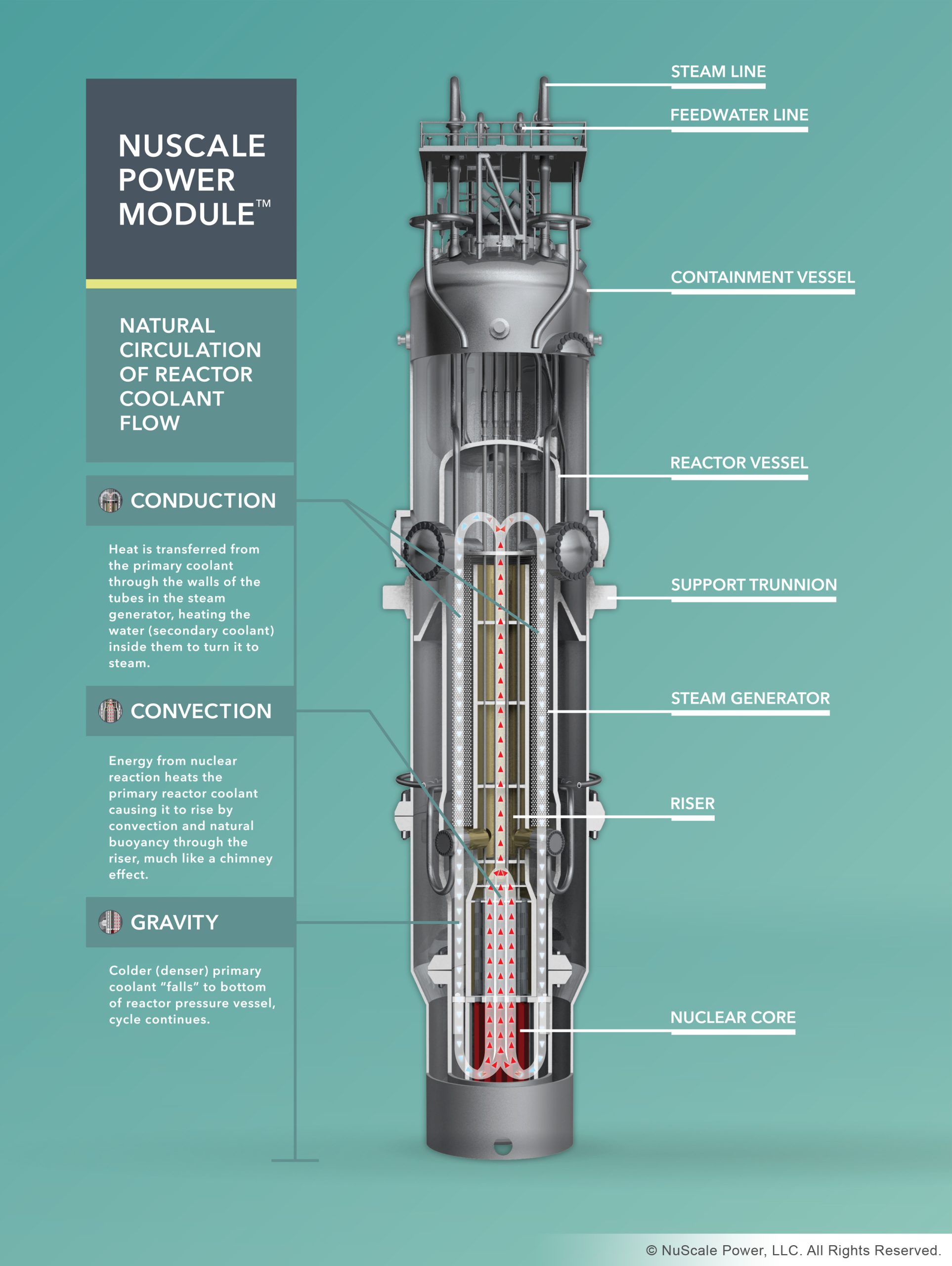
The “modular” aspect is the true game-changer. These reactors are designed to be manufactured in a controlled factory environment and transported to the site as pre-assembled units. This eliminates the “megaproject” syndrome—where costs balloon due to years of on-site construction—and allows for a “plug-and-play” energy solution. Because they are smaller, they utilize passive safety systems that rely on natural laws, such as convection and gravity, rather than complex pumps or human intervention, to shut down safely in the event of an emergency.
Step-by-Step Guide to Implementing SMRs in Industrial Projects
- Site Feasibility Assessment: Determine the energy load requirements of your industrial site. Unlike variable renewables like wind or solar, SMRs provide constant, 24/7 power, making them ideal for heavy industrial processes that cannot tolerate outages.
- Regulatory Engagement: Engage with national nuclear regulatory bodies early. While SMRs are designed for safer operation, the licensing process is rigorous. Partnering with a reactor vendor that already has an existing design certification can significantly reduce the timeline.
- Infrastructure Planning: Identify the logistics of transport. Even though SMRs are “modular,” they are heavy components. Ensure the transport route from the factory to your site—whether by rail, road, or sea—can accommodate the dimensions and weight of the module.
- Integration and Grid Stability: Design the integration between the SMR and your site’s internal microgrid. SMRs can provide not just electricity, but also process heat—a critical requirement for chemical plants and heavy manufacturing that electricity alone cannot satisfy.
- Operation and Maintenance Strategy: Select an operating model. Many SMR vendors are offering “Energy-as-a-Service” models, where the vendor manages the nuclear fuel cycle and maintenance, allowing the industrial site owner to simply purchase the power output.
Examples and Case Studies
The practical application of SMRs is already moving from blueprints to reality. In Canada, the mining industry is a primary driver of SMR adoption. Mining sites in the remote north currently rely on “ice roads” to truck in millions of liters of diesel fuel annually. Companies are now looking to SMRs to provide a permanent, zero-carbon alternative that eliminates the massive environmental and financial cost of fuel logistics.
In the United States, the Carbon Free Power Project (CFPP) in Idaho serves as a benchmark. By utilizing the NuScale power module, the project demonstrates how a multi-module plant can be scaled to meet specific demand. If a site grows, it can add more modules. If demand drops, it can dial back. This scalability is a direct answer to the “all-or-nothing” risks associated with traditional power plant investments.
The true value of an SMR lies in its ability to serve as a high-temperature heat source. Many industrial processes, such as hydrogen production or synthetic fuel manufacturing, require immense heat. SMRs can divert steam directly from the reactor cycle to these processes, achieving thermal efficiencies that wind and solar simply cannot match.
Common Mistakes to Avoid
- Underestimating Regulatory Timelines: Many project managers treat SMR licensing like traditional construction permits. Nuclear regulation is a multi-year, multi-phase process; failing to account for this in your project roadmap is the most frequent cause of failure.
- Ignoring Public Perception: Nuclear energy carries historical baggage. Failure to communicate the passive safety features—which make meltdowns physically impossible in many SMR designs—to local stakeholders and communities can lead to unnecessary project opposition.
- Over-sizing the Installation: One of the biggest advantages of SMRs is modularity. Do not build for peak capacity if your base load is significantly lower. Start with one or two modules and expand as your industrial operations scale.
- Neglecting Waste Management Plans: A clear, long-term strategy for spent fuel management must be part of your initial project proposal. Transparency here is essential for environmental compliance and corporate social responsibility (CSR) reporting.
Advanced Tips for Industrial Adoption
To maximize the ROI of an SMR deployment, look beyond electricity. The most advanced industrial adopters are focusing on cogeneration. By capturing the waste heat from the SMR, you can power desalination units to provide fresh water to your site or use it for district heating in cold climates. This turns a single-purpose energy asset into a multi-utility powerhouse.
Furthermore, consider “load following.” While nuclear is traditionally a base-load source, modern SMR control systems allow for rapid adjustments in power output. If your industrial process has fluctuating energy needs, ensure your SMR contract specifies a design capable of load-following, which prevents the need for expensive battery storage backups.
Conclusion
Small Modular Reactors are not merely a scaled-down version of the past; they are a critical component of a decarbonized future. For remote industrial sites, they offer the holy grail of energy: a localized, clean, and reliable power source that operates independently of the vulnerabilities of national grids and volatile fossil fuel markets.
By leveraging the modular nature of these reactors, industrial leaders can lower their operational risks, stabilize their energy costs, and meet stringent ESG mandates. As the technology matures and manufacturing scales, the question for remote industrial operators will shift from “if” they should adopt SMRs to “how quickly” they can integrate them to stay competitive in a carbon-conscious world.
Leave a Reply