Continuous learning and adaptation are required as global AI standards continue to evolve.
— by
Steven Haynes
Contents
1. Introduction: The shifting landscape of AI governance and the obsolescence of “static” compliance.
2. Key Concepts: Understanding the move from static regulatory frameworks (like GDPR) to dynamic AI-specific standards (the EU AI Act, NIST AI RMF).
3. Step-by-Step Guide: Building an organizational framework for continuous AI compliance.
4. Examples: Applying the NIST framework in fintech and healthcare.
5. Common Mistakes: The dangers of “set it and forget it” governance.
6. Advanced Tips: Implementing automated policy monitoring and red-teaming.
7. Conclusion: Viewing adaptability as a competitive advantage rather than a burden.
***
Navigating the Shifting Sands: Why Continuous Learning is the New Standard in AI Governance
Introduction
For most of the digital age, compliance was a checkbox exercise. A company would update its data privacy policy, conduct an annual audit, and rest easy for the next twelve months. In the era of Artificial Intelligence, that model is effectively dead. AI models do not remain static—they learn, drift, and interact with data in ways that evolve daily. Consequently, the regulatory landscape is shifting from fixed, binary rules to fluid, risk-based expectations.
As global AI standards like the EU AI Act and the NIST AI Risk Management Framework (RMF) solidify, the ability to adapt is no longer just a legal necessity; it is a core business competency. If your organization is treating AI governance as a one-time project, you are already behind. To thrive, you must shift your mindset from “compliance” to “continuous adaptation.”
Key Concepts: The Move to Dynamic Governance
The core challenge with AI governance is that the technology often outpaces the legislative process. Legislators are moving away from prescribing specific technical implementations, which become obsolete in months, toward requiring outcomes and transparency. This is often referred to as “Agile Governance.”
AI Model Drift: This occurs when an AI system’s performance degrades over time because the real-world data it encounters changes. Governance must now include monitoring this drift to ensure the model remains within its intended, safe parameters.
Risk-Based Approaches: Modern frameworks (like the EU AI Act) categorize AI systems by risk levels—ranging from “minimal” to “unacceptable.” A continuous learning model requires you to re-classify your systems as they evolve; an AI tool used for internal scheduling might eventually be used for HR hiring, suddenly moving it into a much higher regulatory risk category.
Contextual Integrity: Standards now demand that companies document not just what the AI does, but the context in which it operates. A model that is “fair” in one region may produce biased outputs in another due to cultural data nuances.
Step-by-Step Guide to Continuous AI Adaptation
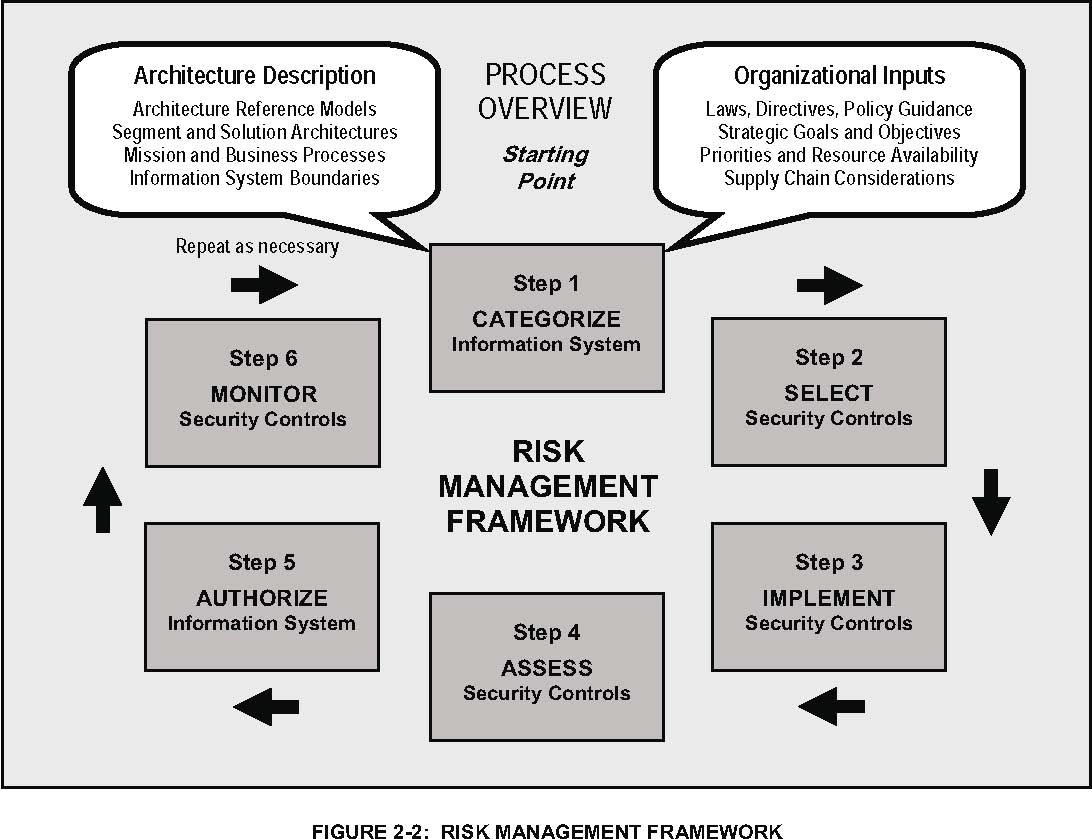
Building an adaptable AI strategy requires a repeatable, cyclical process rather than a linear checklist.
Establish an AI Governance Council: Do not silo AI to the IT department. Bring together stakeholders from Legal, Ethics, Data Science, and Product. This cross-functional team must meet monthly to review changes in both the model performance and the regulatory environment.
Maintain a Living AI Registry: You cannot manage what you do not track. Create an inventory of every AI system in use, noting its purpose, data sources, and risk level. Update this registry every time a model is retrained or deployed in a new context.
Implement Automated Compliance Monitoring: Manual reviews are too slow. Utilize tools that automatically scan your AI outputs for bias, data leakage, or PII (Personally Identifiable Information) breaches. Integrate these triggers into your CI/CD (Continuous Integration/Continuous Deployment) pipeline.
Formalize Human-in-the-Loop (HITL) Procedures: As standards tighten, regulators demand clear accountability. Define clear workflows where a human operator is required to review high-stakes AI decisions. Document every instance where a human overrides the AI.
Execute Periodic “Regulatory Sprints”: Every quarter, task your legal or compliance team with reviewing new guidance from bodies like NIST or the OECD. Evaluate if your existing documentation needs to be updated to match these new benchmarks.
Examples and Case Studies
Fintech: The Bias Audit Loop. A large financial institution implemented a machine learning model to approve loans. Initially, the model met all fair-lending requirements. Six months later, it began showing signs of geographic bias because the training data had not been refreshed to reflect changing neighborhood demographics. By moving to a continuous monitoring system, the firm detected the drift in week three, updated the training set, and recalibrated the model before it impacted their regulatory standing.
Healthcare: The Contextual Shift. A hospital system deployed an AI to assist in triaging emergency room patients. When the hospital expanded to a new region, they discovered the AI was less accurate for the local demographics. Because they had a “continuous learning” governance policy, they treated the deployment as a pilot that required localized testing before full rollout, preventing a potential health equity lawsuit and ensuring patient safety.
The goal of continuous governance is not to stop AI from evolving, but to ensure that its evolution stays within the “guardrails” of your organizational values and global law.
Common Mistakes to Avoid
The “Set it and Forget it” Fallacy: Treating AI compliance like a static policy document. AI behaves more like a living organism; it needs ongoing health checks.
Ignoring Data Lineage: Many companies track the model but forget the data. If the input data changes (e.g., a new data vendor or sensor), your AI’s “compliance” is compromised.
Reliance on Vendor Promises: Assuming a third-party AI provider is fully compliant with all global standards. You are ultimately responsible for the tools you deploy in your own environment.
Lack of Documentation: Failing to keep a log of why certain decisions were made during the model development lifecycle. When an audit occurs, “we don’t remember” is not a legally defensible position.
Advanced Tips: Scaling Your Adaptive Framework
To move beyond basic compliance and toward organizational maturity, consider the following advanced strategies:
Red Teaming as a Standard Practice: Borrow from cybersecurity. Regularly subject your AI systems to “red teaming,” where internal or external teams attempt to force the AI into producing biased, harmful, or insecure outputs. This proactive approach identifies vulnerabilities before they become public scandals.
Algorithmic Impact Assessments (AIAs): Similar to Data Protection Impact Assessments (DPIAs), an AIA evaluates the potential societal impact of an AI system. Make the AIA a mandatory step in your “Definition of Done” for any new software product that utilizes machine learning.
Building a Culture of “AI Literacy”: Compliance is not just for the legal team. If your developers do not understand why they are flagging certain data points, the process will fail. Host workshops that bridge the gap between technical output and ethical requirements.
Conclusion
The pace of AI development is relentless, and global standards are struggling to keep up. This environment creates uncertainty, but it also creates a clear path for leaders. By shifting from a static compliance model to an adaptive, continuous learning framework, organizations can minimize risk while maximizing the utility of their AI investments.
The organizations that will win in the coming decade are not necessarily those with the most powerful algorithms, but those that have built the most resilient and transparent governance structures. Start small, integrate compliance into your technical workflows, and prioritize the transparency of your processes. In a world of evolving AI, your ability to adapt is your most sustainable competitive advantage.
The Cognitive Load of Compliance: Why Governance is Becoming a Human-AI Partnership – TheBossMind
[…] we move away from the comfort of ‘set it and forget it’ policies. As explored in this piece on the necessity of continuous learning in AI governance, the transition requires a total overhaul of the corporate mindset. But beyond the organizational […]


Leave a Reply