
Human-in-the-Loop: How Feedback Loops Refine AI Explanations
Introduction
Artificial Intelligence is no longer a “black box” that operates in complete isolation. As we integrate machine learning into high-stakes industries like healthcare, finance, and law, the demand for transparency has shifted from a preference to a requirement. We need to know not just what an AI decided, but why it reached that conclusion.
However, AI explanations are often imperfect. They may focus on the wrong variables or mirror systemic biases present in the training data. This is where the concept of the “Feedback Loop” becomes critical. By allowing human users to challenge, annotate, and refine model explanations, we transform AI from a static tool into an evolving partner. This article explores how interactive feedback loops empower users to audit AI decisions and ultimately create more accurate, reliable models.
Key Concepts
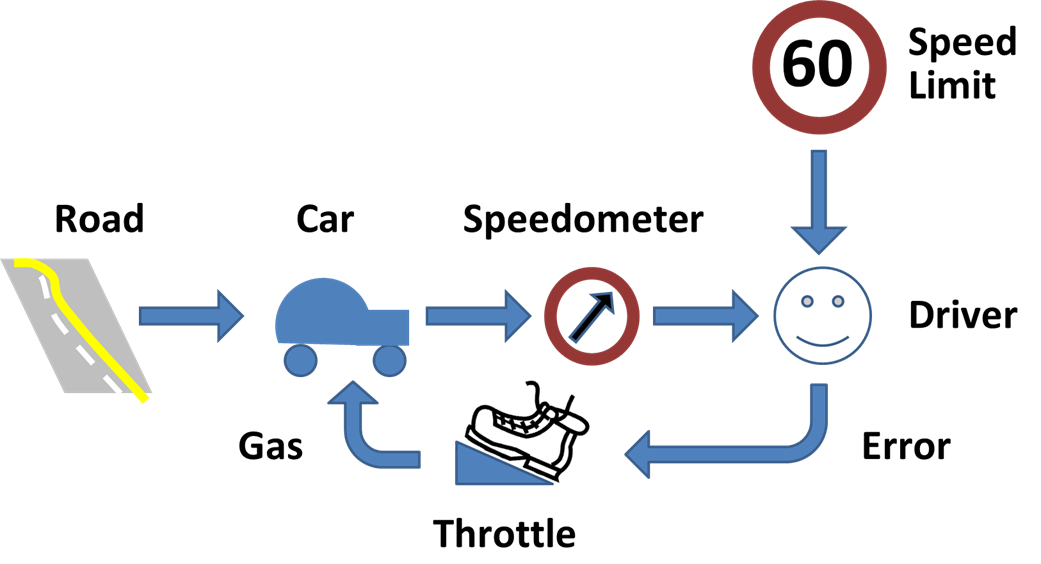
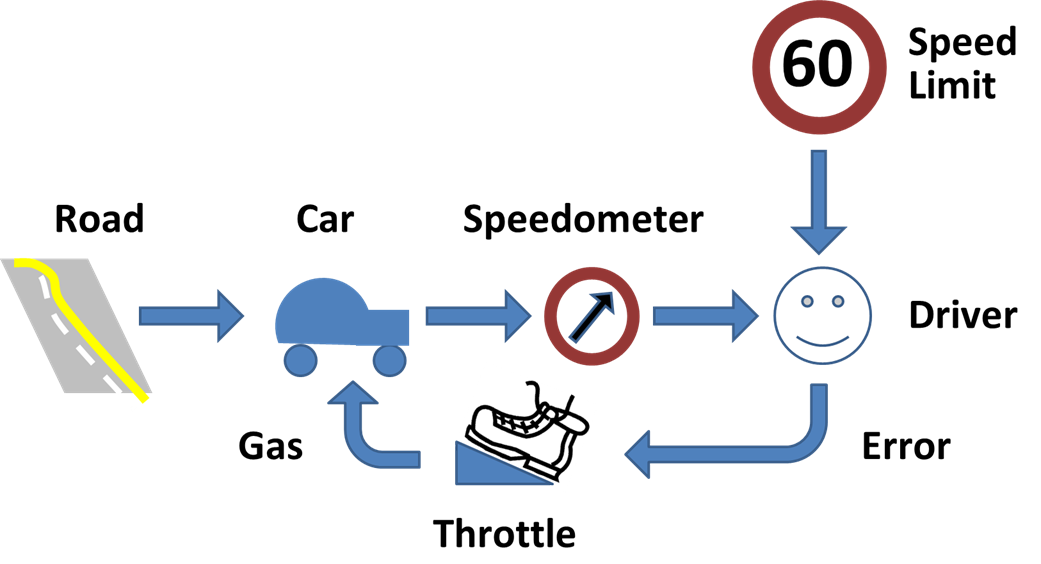
At its core, a feedback loop in AI explainability is a mechanism that captures user input regarding a model’s reasoning and uses that data to refine the underlying logic. To understand this, we must look at two primary components: Interpretability methods (such as SHAP or LIME) and Human-Centric Correction.
Interpretability methods provide a “heat map” or list of features that contributed to an AI’s decision. For example, in a loan approval model, the AI might indicate that “Annual Income” and “Credit History” were the primary drivers. A feedback loop allows a human auditor—such as a loan officer—to intervene when the model incorrectly identifies an irrelevant feature, like “Zip Code,” as a major decision driver.
When users provide feedback, they are essentially performing feature pruning or weight adjustment. By highlighting inaccuracies, they guide the model to ignore noisy or biased data, effectively teaching the system to prioritize variables that hold actual predictive value rather than statistical artifacts.
Step-by-Step Guide: Implementing Feedback Loops
Integrating user feedback into your AI workflow requires a structured approach. Follow these steps to transform model explanations into actionable data:
- Establish Baseline Interpretability: Implement model-agnostic explanation tools (like SHAP or LIME) to visualize the features influencing current decisions. Ensure these visualizations are accessible to non-technical domain experts.
- Design a Feedback Interface: Create an intuitive UI that allows users to “dislike” or “flag” specific features contributing to an explanation. For instance, add a “Mark as Irrelevant” button next to features identified by the model.
- Collect and Categorize Input: Systematically store user feedback. Categorize inputs into “False Correlation” (the AI found a pattern that doesn’t exist) and “Sensitive Feature Usage” (the AI relied on prohibited variables like gender or ethnicity).
- Retrain or Constrain: Use the feedback data to update the model. You can either retrain the model with penalized weights for flagged features or apply “logic constraints” that force the model to ignore specific variables regardless of statistical correlation.
- Iterative Validation: Conduct an A/B test comparing the original model with the feedback-refined model to ensure that removing flagged features does not significantly degrade performance.
Examples and Case Studies
Medical Diagnostics
In healthcare, AI models used for skin cancer detection have been known to rely on “marker ink” or clinical ruler labels on images rather than the actual skin lesion. Through a feedback loop, dermatologists flagged these artifacts. By incorporating this feedback, developers masked the background noise, forcing the model to re-learn features focused specifically on cellular abnormality, significantly increasing the model’s clinical accuracy.
Predictive Maintenance
In manufacturing, an AI might predict machinery failure by looking at ambient temperature. A senior technician, however, knows that temperature spikes are normal during certain cycles and are not indicative of failure. By allowing the technician to mark “Ambient Temperature” as a non-predictive feature, the feedback loop filters out “sensor noise,” preventing false alarms and reducing unnecessary maintenance downtime.
Common Mistakes
- Over-Reliance on Subjectivity: Relying on a single user’s opinion can introduce new biases. Ensure feedback is crowdsourced from multiple experts to achieve a consensus.
- Ignoring Feature Interdependence: Removing a feature that appears “irrelevant” might inadvertently break the model if that feature was acting as a proxy for a more complex data point. Always test before final deployment.
- Neglecting Feedback Documentation: Failing to log why a user flagged a feature prevents the development team from understanding the root cause, making it impossible to address the underlying data quality issue.
- Static Feedback Loops: Treating feedback as a one-time audit rather than an ongoing cycle. Models undergo “concept drift” over time; feedback must be a continuous part of the MLOps pipeline.
Advanced Tips
To take your feedback loops to the next level, consider Contrastive Explanations. Instead of just showing why the model chose “A,” prompt users to ask, “Why did you choose A instead of B?” Providing this counterfactual information allows users to provide much more granular feedback, such as, “The model should not have picked A because the credit score was within the acceptable threshold.”
Additionally, leverage Active Learning. Instead of waiting for users to find errors, the system can proactively identify “uncertain” predictions and ask the user, “I relied on Feature X here; is that correct?” This turns passive auditing into a proactive training exercise, significantly accelerating the refinement of your model’s decision-making capabilities.
“An AI is only as objective as the data it is fed. By inviting human intelligence into the explanation process, we ensure that models do not just calculate probabilities, but align with the nuanced realities of our industry.”
Conclusion
Feedback loops act as the bridge between raw computational power and human wisdom. By allowing users to challenge and refine model explanations, we move away from blindly accepting AI outputs toward a transparent, collaborative system of intelligence.
The process requires more than just technical implementation; it requires a culture of critical thinking where experts are encouraged to hold AI accountable. Start by implementing basic interpretability, build clear avenues for feedback, and treat every correction as a valuable training opportunity. In doing so, you will not only build more accurate models, but you will foster the trust necessary to deploy AI at scale.





Leave a Reply