Balancing competitive advantage with the moral imperative for transparency remains a primary corporate challenge.
— by
Steven Haynes
Contents
1. Introduction: The inherent tension between the “secret sauce” of competitive advantage and the growing demand for radical corporate transparency.
2. Key Concepts: Defining Competitive Advantage vs. Strategic Transparency.
3. Step-by-Step Guide: A framework for determining what to disclose and what to protect.
4. Case Studies: Examining the approaches of Patagonia (radical transparency) versus Apple (secrecy as a strategy).
5. Common Mistakes: The pitfalls of “transparency washing” and over-sharing.
6. Advanced Tips: Implementing a “Transparency Tier” system.
7. Conclusion: Summary of the strategic alignment required for long-term sustainability.
***
The Transparency Paradox: Balancing Competitive Advantage with Moral Imperative
Introduction
For decades, the standard corporate playbook was simple: hoard information, protect intellectual property at all costs, and reveal only what is legally required. In this era, information was a fortress. Today, that fortress is crumbling. Customers, employees, and investors are increasingly demanding “radical transparency” regarding everything from supply chain ethics to algorithmic bias.
This creates a profound dilemma for modern leaders. If you disclose your cost structures, your proprietary sourcing data, or your internal decision-making processes, you risk handing a roadmap to your competitors. Yet, if you remain opaque, you risk losing the trust of a generation that views secrecy as a moral failing. The challenge is no longer about choosing between secrecy and transparency; it is about mastering the art of strategic transparency.
Key Concepts
Competitive Advantage refers to the unique attributes or strategies that allow an organization to outperform its peers. Traditionally, this is built on asymmetrical information—knowing something your competitor does not.
The Moral Imperative for Transparency is the growing social and ethical expectation that corporations must be accountable for the externalities they create. This includes the environmental impact of production, the equity of labor practices, and the integrity of data governance.
The conflict arises when the “Moral Imperative” pushes a company to reveal the very data points that constitute its “Competitive Advantage.” Resolving this requires a shift in mindset: transparency should be treated as an asset that builds brand equity, rather than a liability that threatens trade secrets.
Identify Your Core Moats: Clearly document what actually generates your profit margins. Is it your algorithm? A unique supplier relationship? A patented process? These are your protected assets. Everything outside of this core should be considered “default-open.”
Segment Your Stakeholders: Transparency is not one-size-fits-all. Investors need audited financials; consumers need product safety and ethical sourcing data; employees need transparency regarding compensation and company direction. Tailor your disclosures to the specific needs of these groups.
Map Your Disclosures to Corporate Values: Determine which areas of transparency actually reinforce your mission. If you claim to be an environmentally conscious brand, your supply chain emissions data is not a secret—it is your primary marketing asset.
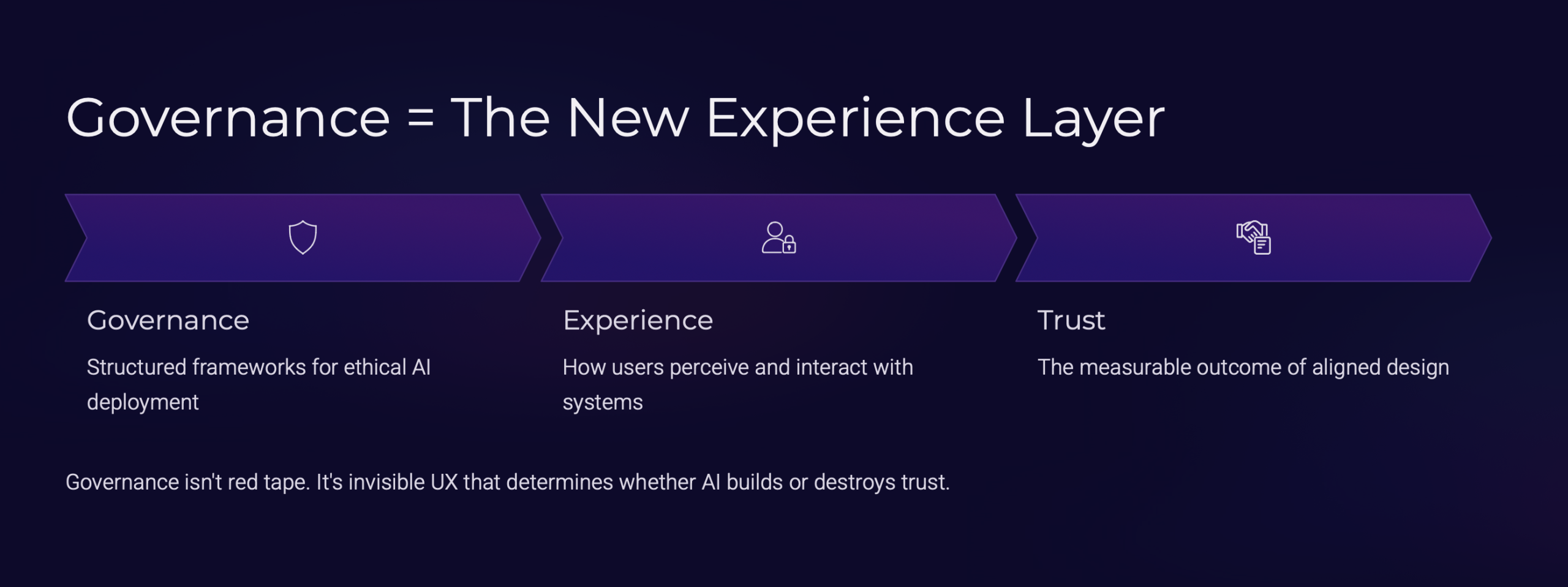
Establish a Governance Framework: Create a cross-functional committee (legal, marketing, and operations) to vet disclosure requests. This prevents “accidental transparency” where a well-meaning employee leaks competitive intelligence without understanding the business risk.
Communicate the “Why”: When you choose not to disclose certain information, explain your reasoning. Most stakeholders respect a business that says, “We cannot share our specific vendor pricing because it compromises our ability to offer competitive consumer rates,” provided that the company is transparent about everything else.
Examples and Case Studies
Patagonia: Transparency as a Differentiator
Patagonia has successfully turned the moral imperative for transparency into its strongest competitive advantage. By publishing its “Footprint Chronicles,” the company allows customers to trace the lifecycle of a product. While this reveals their manufacturing costs and supply chain partners, it effectively raises the barrier to entry for competitors who cannot match Patagonia’s ethical rigor. They have made transparency a product feature, not just a compliance requirement.
Apple: Secrecy as Strategic Currency
In contrast, Apple remains one of the world’s most secretive organizations. However, Apple’s brand is built on surprise and delight—a specific form of competitive advantage. They do not claim to be a “radically transparent” company regarding their internal product development. Their transparency focus is instead applied to areas like privacy and environmental sustainability. By being transparent about how they protect your data, they win trust without revealing how they build their hardware.
Transparency is not a binary choice. It is a spectrum. The most successful organizations are those that know exactly where they sit on that spectrum for every single business unit.
Common Mistakes
Transparency Washing: This occurs when companies perform superficial acts of transparency (such as a glossy CSR report) while ignoring fundamental issues in their core business. Stakeholders have become highly adept at sniffing out this hypocrisy, which often leads to more backlash than if the company had said nothing at all.
The Information Dump: Providing thousands of pages of data without context is not transparency; it is obfuscation. True transparency requires interpretation and accessibility. If your stakeholders cannot understand the data, you haven’t been transparent; you’ve just created noise.
Ignoring the Legal Baseline: Assuming that “transparency” supersedes contractual obligations. You can be transparent about your company culture and mission without violating Non-Disclosure Agreements (NDAs) or compromising client confidentiality. Transparency does not mean a lack of professional boundaries.
Advanced Tips
To move beyond basic compliance, consider adopting a “Tiered Disclosure Model.”
Categorize your information into three tiers:
Tier 1 (Public Domain): Information that is fully transparent and used in marketing. This includes sustainability goals, DE&I metrics, and public impact reports.
Tier 2 (Stakeholder Accessible): Information that is available under specific conditions, such as audited reports for shareholders or detailed technical specifications for B2B partners.
Tier 3 (Confidential): The “Secret Sauce.” This includes R&D, proprietary algorithms, and trade-secret business models.
By formalizing this, you ensure that your organization doesn’t fall into the trap of either over-sharing or being unnecessarily secretive. Furthermore, use real-time reporting. Instead of annual reports, move toward dashboards that provide live, verified updates. The more proactive you are in sharing, the less likely you are to be forced into defensive transparency when a crisis occurs.
Conclusion
The tension between competitive advantage and the moral imperative for transparency is not a problem to be solved, but a dynamic to be managed. The companies that thrive in the coming decade will be those that embrace transparency as a fundamental pillar of their value proposition rather than a cost of doing business.
By mapping your unique competitive advantages, segmenting your stakeholder disclosures, and maintaining clear boundaries, you can satisfy the modern demand for accountability without diluting your market position. Remember: in an age of skepticism, trust is the ultimate competitive advantage. When you are honest about your limitations, you earn the credibility to be a market leader.




Leave a Reply