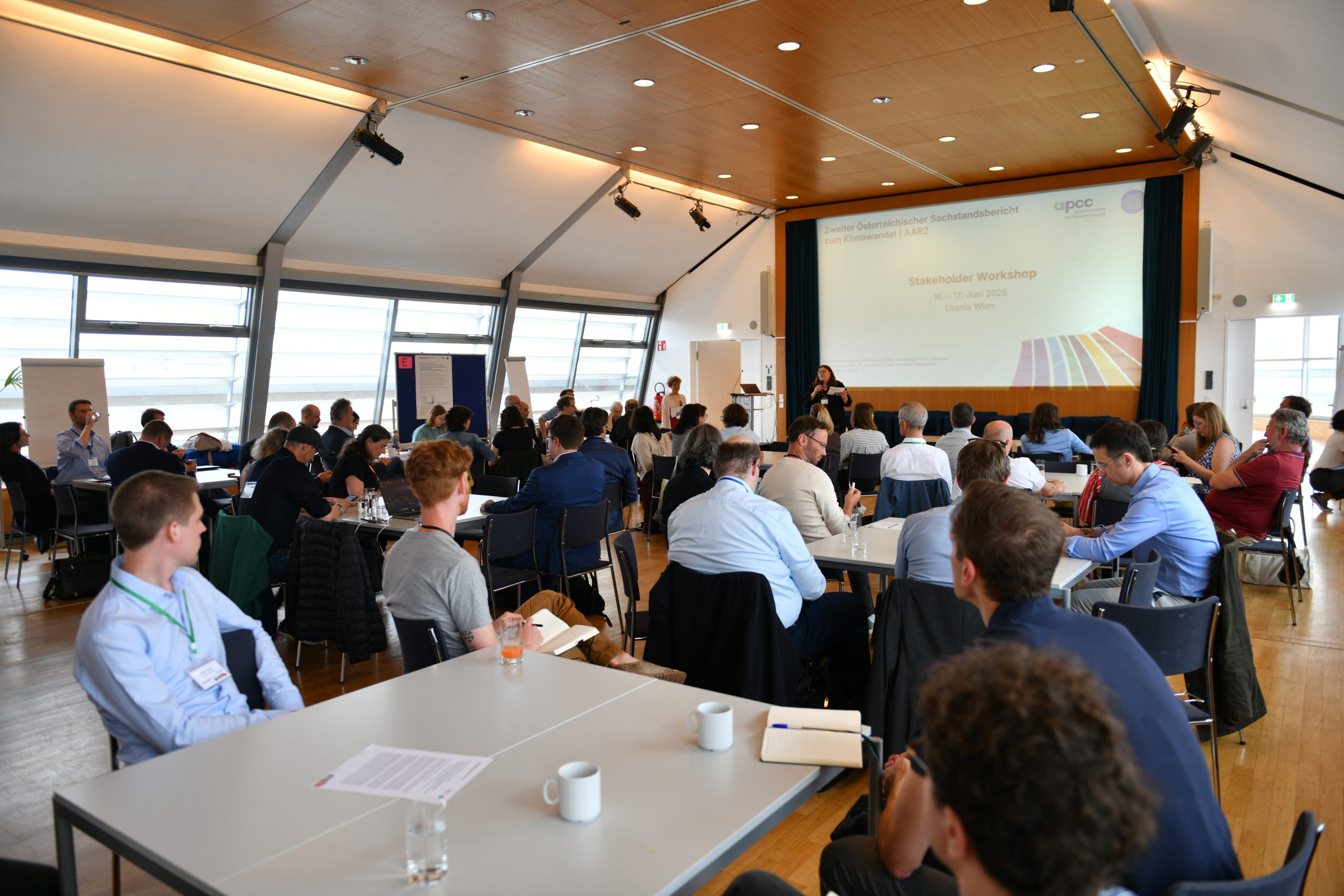
Stakeholder engagement sessions provide context on the societal impacts of deployed AIsystems.
— by
Steven Haynes
Outline
Introduction: The shift from technical AI development to sociotechnical integration.
Key Concepts: Defining sociotechnical systems and the role of “contextual grounding.”
Step-by-Step Guide: A framework for designing and executing effective engagement sessions.
Real-World Applications: How healthcare and urban planning sectors utilize stakeholder feedback.
Common Mistakes: Avoiding “tokenism” and the feedback echo chamber.
Advanced Tips: Moving from consultation to co-design.
Conclusion: Summarizing the strategic imperative of human-centric AI.
Bridging the Gap: Why Stakeholder Engagement is the Blueprint for Responsible AI
Introduction
For years, the development of Artificial Intelligence (AI) was treated as a purely technical challenge. Engineers focused on data sets, algorithmic efficiency, and model architecture. Yet, as these systems move from controlled laboratory environments into the complex, messy realities of the human world, the technical output is only half the battle. A high-performing algorithm that works perfectly in a testing environment can fail spectacularly when it encounters real-world social dynamics.
This is why stakeholder engagement sessions are no longer an optional “public relations” activity; they are a fundamental requirement for risk mitigation and long-term viability. By inviting diverse voices—from end-users and front-line workers to impacted marginalized groups—into the development lifecycle, organizations gain a “ground-truth” context that no data set can provide. This article explores how to bridge the gap between abstract AI capabilities and the nuanced social impacts of their deployment.
Key Concepts: Sociotechnical Systems
To understand the importance of engagement, we must first view AI as a sociotechnical system. This perspective suggests that an AI system does not exist in a vacuum; it is inextricably linked to the people who build it, the people who use it, and the societal structures it operates within.
Contextual Grounding is the process of mapping these human interactions. Algorithms are statistical tools, but they often lack the “common sense” to understand ethical nuances, historical biases, or cultural sensitivities. Stakeholder engagement acts as a mirror, showing developers where their models might collide with human values. Without this external validation, organizations risk “deployment shock”—the period after a product launches when unforeseen negative social consequences, such as unfair denial of services or public backlash, emerge.
Step-by-Step Guide to Effective Engagement
Executing an engagement session requires more than a simple town hall meeting. To get actionable insights, use this structured framework:
Identify the Impact Map: Before inviting anyone, map your stakeholders by impact level. Include the direct users, those whose data is processed, those who make decisions based on the system, and those inadvertently affected by the outcomes.
Define the Objective: Are you seeking feedback on UI/UX, or are you stress-testing the model for ethical risks? Be transparent about what parts of the system are “up for negotiation” and which are fixed technical constraints.
Select Diverse Perspectives: Ensure your sessions include “adversarial” voices. People who are skeptical of the technology often provide the most valuable insights regarding potential failure points.
Utilize Scenarios over Specifications: Avoid showing technical documentation. Instead, use “What-If” scenarios. For example, “If this system denies a loan application based on variable X, how would that impact your ability to function in your current role?”
Document and Close the Loop: The most significant mistake in stakeholder engagement is silence. Always document how the feedback changed the product roadmap and communicate these changes back to the participants.
Real-World Applications
Consider the deployment of AI in healthcare diagnostics. A tech firm might develop an imaging tool that detects tumors with 99% accuracy. However, in an engagement session with radiologists, they might learn that the system provides no information on why it made a decision. In a high-stakes clinical setting, the “black box” nature of the AI leads to clinician distrust, rendering the product useless despite its technical brilliance.
Similarly, in urban planning, city officials might use AI to optimize traffic flow. By engaging local community groups, they might discover that the “optimal” traffic routes funnel excessive congestion through school zones or low-income neighborhoods, creating safety and noise issues that the model didn’t consider. By adjusting the objective function of the algorithm to include noise pollution as a penalty, the team creates a more socially viable system.
The goal of stakeholder engagement is not to gain consensus, but to uncover the latent tensions that reside at the intersection of technology and society.
Common Mistakes to Avoid
Tokenism: Inviting stakeholders merely to “check a box” for compliance without any intention of incorporating their feedback. Stakeholders can tell when they aren’t being heard, and this leads to cynicism and reputational damage.
The Echo Chamber: Only engaging with power users or “tech-optimists” who are predisposed to like the product. This leads to a false sense of security regarding the system’s societal impact.
The Language Barrier: Using excessive industry jargon. If stakeholders don’t understand how the AI works, they cannot provide meaningful feedback on its potential harms. Translate technical concepts into practical, relatable outcomes.
One-Off Engagements: Treating engagement as a single event rather than an iterative process. Context changes, and societal impacts evolve as a system scales. Maintain a “living” channel for feedback.
Advanced Tips for Success
To move from basic consultation to meaningful co-design, consider these strategies:
Red Teaming with Stakeholders: Instead of just asking for opinions, host a “red teaming” workshop. Explicitly ask participants to try to “break” the system or describe how it could be misused. This gamification strategy often surfaces creative edge cases that standard testing protocols miss.
Value-Sensitive Design (VSD): Integrate the feedback directly into your development lifecycle. If stakeholders express that “transparency” is their primary value, ensure the system’s output is accompanied by explainability reports, even if it requires a slight reduction in overall speed or performance.
Representation beyond Geography: If your AI will be used globally, ensure your stakeholders represent different economic and cultural backgrounds. An AI system that is fair in a wealthy, urban context may behave inequitably when deployed in a rural, developing-world context due to differences in infrastructure and data quality.
Conclusion
AI systems are not merely software; they are structural interventions in the lives of people. When we deploy them without understanding the societal context, we are flying blind. Stakeholder engagement sessions provide the navigation data necessary to avoid collision with ethical, social, and cultural barriers.
By shifting the focus from “Can we build this?” to “How does this fit into the lived experience of our users?”, organizations can move beyond the hype cycle and create AI that is not only functional but also resilient and trusted. Treat your stakeholders as expert consultants in the environment your product will inhabit. Their wisdom is the most valuable data you will ever collect.



Leave a Reply