Require documented sign-off from legal counsel for high-risk AI deployments.
— by
Steven Haynes
Contents
1. Introduction: The shift from “move fast and break things” to “govern fast and secure things” in AI.
2. Key Concepts: Defining “High-Risk AI” and the necessity of legal oversight versus mere compliance.
3. Step-by-Step Guide: Establishing a formal, documented sign-off workflow.
4. Examples/Case Studies: Contrast between a HR automated screening tool and a customer-facing generative chatbot.
5. Common Mistakes: Shadow AI, box-checking, and lack of version control.
6. Advanced Tips: Integrating AI Risk Management Frameworks (NIST) and audit trails.
7. Conclusion: Summarizing the strategic value of legal partnership.
***
Why Documented Legal Sign-Off is Mandatory for High-Risk AI Deployments
Introduction
The race to implement Artificial Intelligence has often outpaced the infrastructure needed to govern it. For many organizations, the initial phase of AI adoption was driven by curiosity and competitive pressure. Today, however, the landscape has shifted. As AI systems are integrated into mission-critical processes—such as hiring, lending, healthcare diagnostics, and automated legal analysis—the consequences of failure have moved from “nuisance” to “existential threat.”
Implementing a policy of documented, mandatory sign-off from legal counsel is no longer a bureaucratic hurdle; it is a fundamental pillar of risk management. By codifying legal review into your deployment pipeline, you move from reactive damage control to proactive risk mitigation. This article outlines how to build a robust governance framework that protects your organization without stalling innovation.
Key Concepts
To implement a sign-off process, you must first define what constitutes a “High-Risk” AI deployment. Generally, high-risk systems are those that can significantly impact human rights, financial stability, or physical safety. Key areas include:
Algorithmic Bias: Systems that influence decisions on employment, housing, or credit, where historical data may perpetuate discrimination.
Data Privacy: Models trained on sensitive PII (Personally Identifiable Information) or proprietary intellectual property.
Hallucination Risks: Generative models providing factual information that could lead to medical, legal, or financial error.
Regulatory Exposure: AI tools subject to specific regional laws, such as the EU AI Act or local biometric privacy statutes.
Legal sign-off is not merely a “green light.” It is a documented acknowledgment that the legal team has assessed the model’s training data, its decision-making logic, and the contingency plans in place if the model drifts or fails. This creates a defensible audit trail, essential for both regulatory compliance and internal accountability.
Step-by-Step Guide: Implementing a Formal Sign-Off Workflow
Integrating legal counsel into the DevOps lifecycle requires a structured approach. Follow these steps to ensure legal review is seamless rather than disruptive.
Define the Thresholds: Create a clear rubric that classifies AI projects. Low-risk projects (e.g., summarizing internal meeting transcripts) may require self-certification, while high-risk projects (e.g., automated customer credit scoring) require a formal legal audit.
Establish a Pre-Review Questionnaire: Require the product team to submit a “Model Fact Sheet.” This document should detail the training data sources, the intended use case, known limitations, and bias-testing results.
Engage Legal Early: Legal counsel should not be the last gatekeeper. Involve them during the design phase to discuss data sovereignty and potential legal pitfalls before the model is even trained.
Execute the Formal Sign-Off: Use a standardized sign-off template. This document must capture the specific version of the model, the date of review, the legal representative’s name, and a summary of the risks mitigated.
Create an Incident Response Clause: The sign-off document must include an “exit strategy.” What happens if the model starts producing discriminatory output? Document the technical “kill switch” and the communication plan for affected parties.
Examples and Case Studies
Consider two different AI applications: a tool for internal document summarization versus an external, autonomous customer support chatbot.
In the first case, the risk is relatively low. If the model incorrectly summarizes an internal memo, the consequences are contained. Legal oversight here might be a standard policy acknowledgment.
In the second case, the risk is high. If an autonomous chatbot offers a customer a refund policy that contradicts company law or makes discriminatory remarks, the company faces immediate legal liability and reputational damage. In this high-risk scenario, the legal sign-off process is essential. Counsel would need to audit the system’s “guardrails”—the pre-prompts and safety layers designed to keep the bot within company policy—and document their approval of these specific safety configurations.
By forcing this documentation, the company creates a “compliance by design” culture where developers understand that they are building within a specific, legally verified envelope.
Common Mistakes to Avoid
“Box-Checking” Culture: The biggest failure is treating sign-off as a clerical task. If the legal team is just signing documents without understanding the underlying technical model, the protection is illusory.
Shadow AI: Allowing teams to deploy AI solutions without a central registry. If legal doesn’t know the AI exists, they cannot sign off on it. Centralized inventory is a prerequisite for governance.
Static Sign-offs: AI models change. Re-training models on new data can invalidate previous safety audits. Sign-offs must be tied to specific version numbers or iterations of the model.
Ignoring Data Provenance: Many organizations focus on the AI model output while ignoring the legal implications of the training data. If your data is scraped without permission, your sign-off process is failing to address potential copyright infringement.
Advanced Tips: Scaling Your Governance
To take your AI governance to the next level, treat your legal documentation like code. Use a version control system (like Git) to manage your sign-off documentation. This ensures that every model currently in production is linked to a specific, immutable record of legal approval.
Legal oversight should be viewed as an engineering requirement, not a business obstacle. When lawyers and developers speak the same language—specifically regarding risk—the result is faster deployment, not slower.
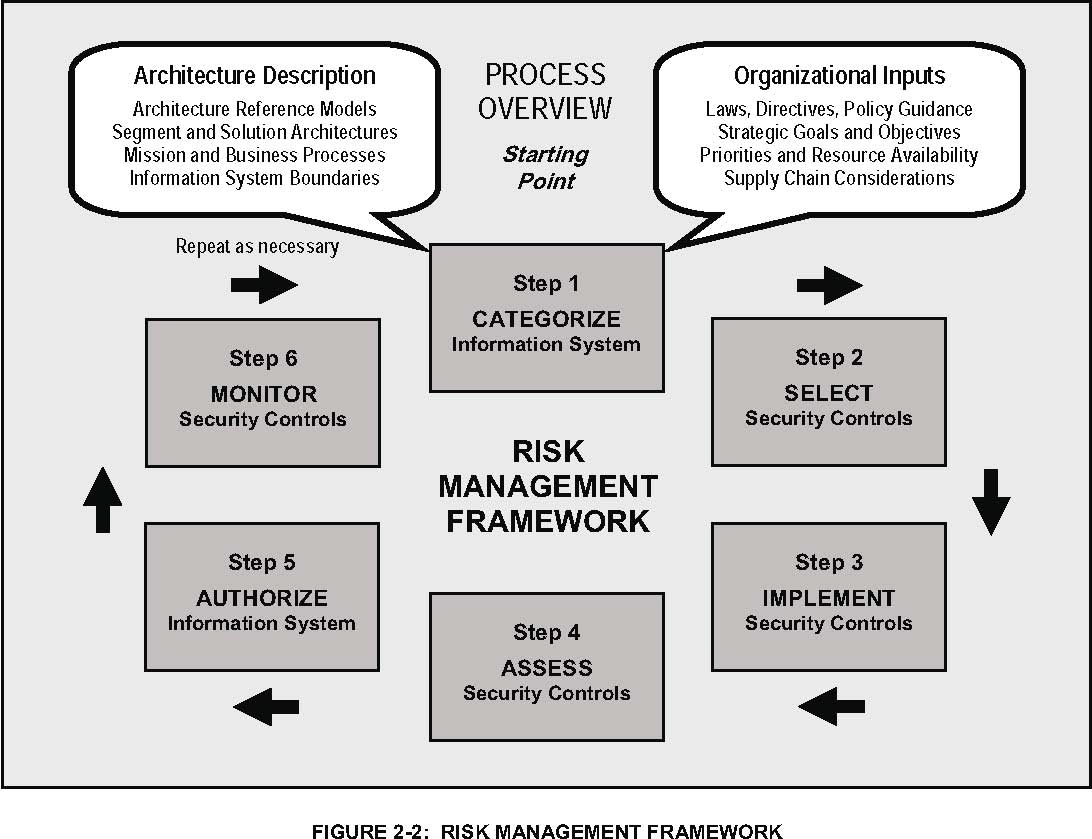
Furthermore, incorporate NIST AI Risk Management Framework (RMF) standards into your review process. The NIST framework provides a flexible, consensus-based approach to assessing trustworthiness. By aligning your legal sign-off with these internationally recognized standards, you simplify your path toward future regulatory requirements, effectively “future-proofing” your deployments.
Conclusion
The demand for AI speed is undeniable, but speed without guardrails is a liability. Requiring documented legal sign-off for high-risk AI is a strategic move that protects the organization, ensures consistency, and builds trust with stakeholders and customers alike.
By defining clear risk thresholds, involving legal counsel early in the development lifecycle, and maintaining rigorous, version-controlled records, organizations can navigate the complexities of AI adoption safely. Ultimately, the goal is not to stop innovation, but to provide a secure foundation upon which that innovation can thrive. Start by auditing your current AI landscape, identifying your high-risk projects, and formalizing your sign-off process today.





Leave a Reply