

Outline
- Introduction: The shift from “fail-safe” to “fail-gracefully.” Why robustness defines the user experience in distributed systems.
- Key Concepts: Defining graceful degradation, circuit breakers, and bulkhead patterns.
- Step-by-Step Guide: Designing for failure (identifying dependencies, implementing timeouts, fallback strategies, and automated recovery).
- Real-World Applications: How streaming services and e-commerce giants handle partial outages.
- Common Mistakes: The pitfalls of silent failures, poor logging, and “retry storms.”
- Advanced Tips: Implementing chaos engineering and observability-driven design.
- Conclusion: Embracing failure as an architectural requirement rather than an edge case.
Designing Robust Error Handling for Graceful Degradation
Introduction
In modern distributed systems, the question is not if a subsystem will fail, but when. Whether caused by a network partition, a third-party API timeout, or an unhandled null pointer, failure is an inevitability. Most junior engineers focus on building systems that never break; senior architects focus on building systems that break without destroying the entire user experience.
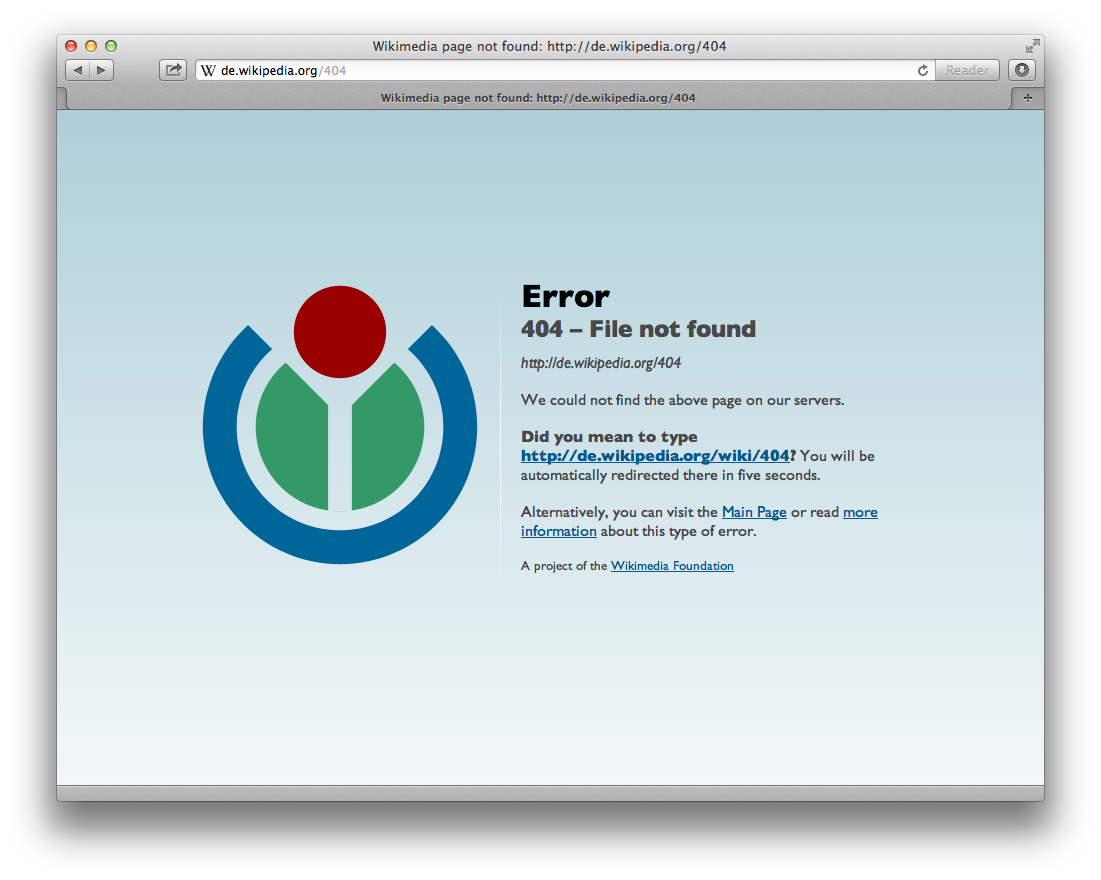
Graceful degradation is the ability of a system to maintain limited functionality when portions of it are unavailable. Instead of showing a generic 500 error page or crashing the entire interface, a gracefully degrading system provides the user with the best possible experience under the circumstances. This approach is essential for maintaining trust, reducing support overhead, and ensuring your product remains viable even during severe outages.
Key Concepts
To design for graceful degradation, you must move beyond basic try-catch blocks and embrace architectural resilience patterns.
- Circuit Breakers: Much like electrical breakers, these prevent a system from repeatedly trying to access a failing subsystem. Once a threshold of failures is reached, the “circuit” trips, and subsequent calls fail fast immediately, preventing resource exhaustion (like thread pool starvation).
- Bulkheading: This involves partitioning your system into isolated pools. If one service fails, it should be contained within its own “bulkhead,” preventing the failure from cascading to other components of the application.
- Fallbacks: This is the “Plan B.” If a high-latency data source fails, the fallback could be a cached response, a hardcoded default value, or a degraded feature set that doesn’t rely on the failed service.
- Idempotency: Ensuring that retrying a failed operation does not cause side effects. This is critical for automated recovery mechanisms.
Step-by-Step Guide
- Audit Dependencies: Create a dependency map of your application. Identify which subsystems are critical (the “core path”) and which are peripheral. A product search bar is critical; a “recommended for you” widget is peripheral.
- Define Failure Thresholds: Decide what constitutes a failure. Is it a timeout after 500ms? Is it a 404 response? Define your metrics for each subsystem so the system knows exactly when to trigger a fallback.
- Implement Timeouts and Retries: Never allow an external request to block indefinitely. Use strict timeouts. When implementing retries, always include exponential backoff and jitter to prevent “thundering herd” scenarios where all clients hammer a recovering service at the exact same time.
- Build the Fallback Layer: Develop the logic that activates when a circuit opens. If your payment gateway goes down, can the user still browse products? If your personalization engine is down, can you serve a generic “trending” list instead?
- Monitor and Alert: Use observability tools to track the health of your circuits. You should be alerted when a circuit trips, even if the user experience remains functional due to your fallback logic.
Examples and Case Studies
Consider the architecture of a major streaming platform like Netflix. If the service that provides personalized movie recommendations fails, the application does not crash. Instead, the UI hides the “Recommended for You” section or populates it with a static, non-personalized list of trending titles. The user remains satisfied because the primary function—playing video content—remains unaffected.
Similarly, an e-commerce platform facing a backend inventory service outage might disable the “Add to Cart” button while still allowing users to view product descriptions and reviews. This is a classic example of graceful degradation: the system recognizes that the business-critical transaction is impossible and prevents a failed attempt, while still providing value to the user by keeping the information layer live.
Graceful degradation is not about covering up errors; it is about providing the user with the most meaningful alternative possible when the ideal path is obstructed.
Common Mistakes
- Silent Failures: Developers often swallow exceptions without logging them or notifying the user. This leaves the user confused as to why a feature isn’t working and leaves the development team blind to the underlying issue.
- Over-Engineering Retries: Retrying without backoff or limit leads to “retry storms,” which can turn a minor blip in a backend service into a total system-wide outage by overwhelming the recovering component.
- Tight Coupling: If your frontend is tightly coupled to a specific service response format, any structural change or outage in that service will break the UI. Decouple via APIs and interface contracts.
- Ignoring the User Experience: Providing a “degraded” experience is useless if the UI doesn’t communicate what is happening. If a feature is disabled, provide a clear, non-intrusive tooltip or message explaining that it is temporarily unavailable.
Advanced Tips
Chaos Engineering: Don’t wait for a real outage to test your resilience. Use tools like Gremlin or AWS Fault Injection Simulator to purposefully kill services, inject latency, or simulate network partitions. If your system handles these injected failures gracefully, you have built a robust architecture.
Observability-Driven Design: Your error handling should be deeply integrated with your monitoring stack. Use structured logging to ensure that every time a fallback is triggered, the context is recorded. This allows you to perform post-mortems that distinguish between a genuine system failure and a successful fallback intervention.
Feature Flags: Combine graceful degradation with feature flagging. If a new service is causing instability, you should have the ability to instantly “kill” the service via a feature flag, reverting the system to a safe, static fallback mode without needing a full deployment or rollback.
Conclusion
Building robust systems is an exercise in managing expectations—both of the user and the software itself. By adopting a “fail-gracefully” mindset, you shift the focus from preventing the impossible to managing the inevitable. Through the use of circuit breakers, bulkhead isolation, and thoughtful fallback logic, you can ensure that your application remains reliable, professional, and functional even when pieces of the puzzle go missing.
Remember that the mark of a truly resilient system is not how it performs on its best day, but how it treats the user on its worst day. Start by auditing your core dependencies today, and identify the one peripheral service you can make more resilient by adding a simple, static fallback. Small, incremental improvements in error handling will eventually build a fortress of reliability around your infrastructure.

Leave a Reply